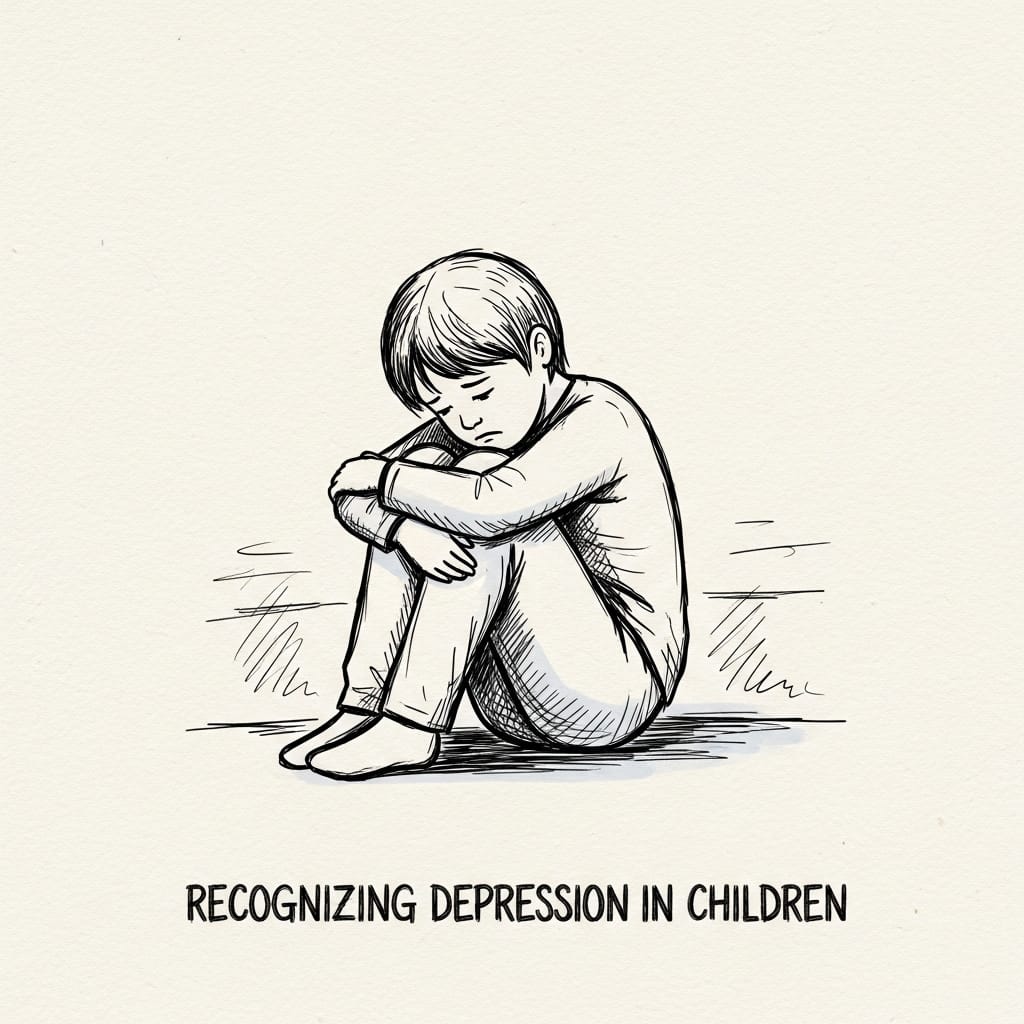
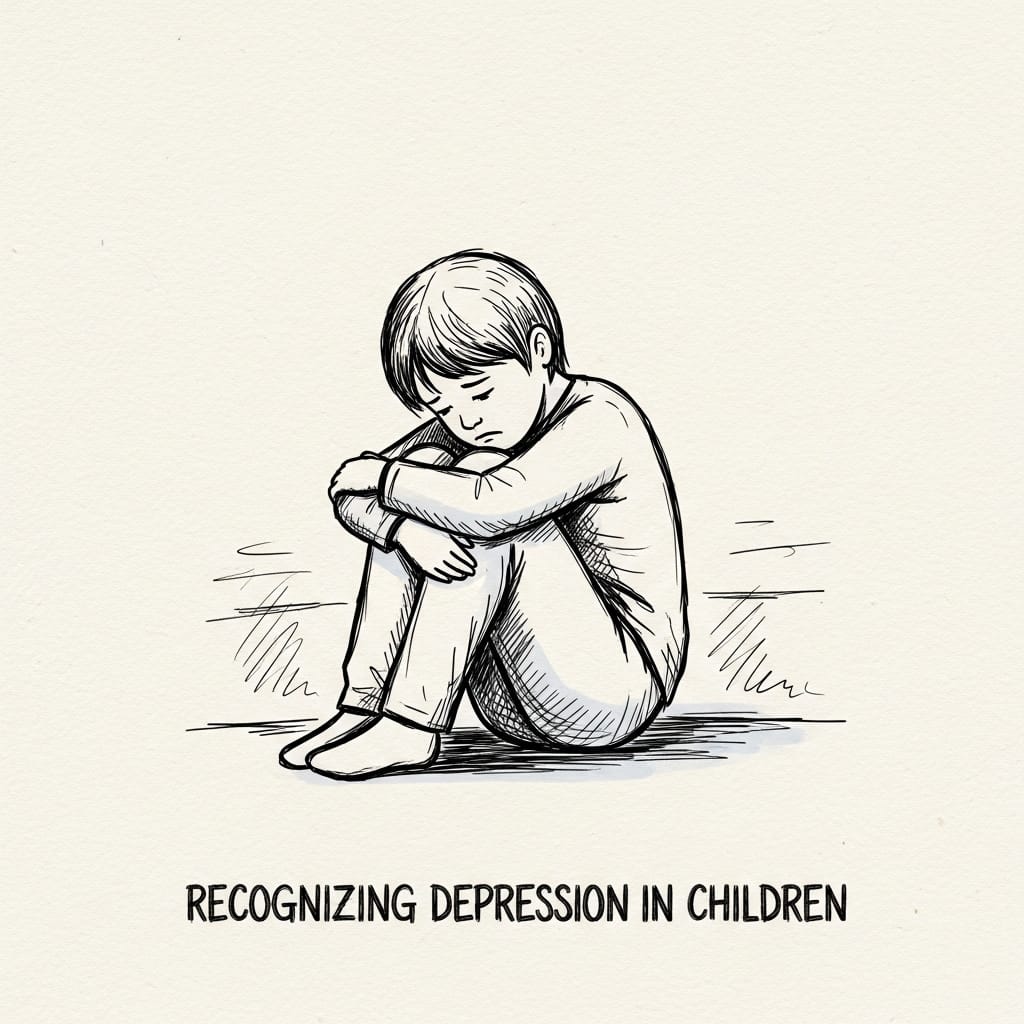
Recognizing Depression in Children
Depression is often thought of as an adult illness, but it can affect individuals at any age, including children and even toddlers.
Article Contents
- Depression Can Affect Your Child, Too
- Depression Symptoms in Children Can Differ from Adults
- Treatment for Childhood Depression
Depression Can Affect Your Child, Too
While depression affects an estimated 3-5% of children, this rate rises to about 4-8% in adolescents. Symptoms can also vary by gender. Research suggests that girls often internalize their problems rather than acting out, which may increase their likelihood of showing depressive symptoms compared to boys.
Children under significant stress, or those with attention deficits, learning disabilities, or conduct disorders are also at a higher risk. Key factors that can increase a child’s vulnerability to depression include:
- A family history of depression
- Family conflicts and domestic problems
- Issues in interpersonal relationships
- Fear of abandonment and experiencing significant losses
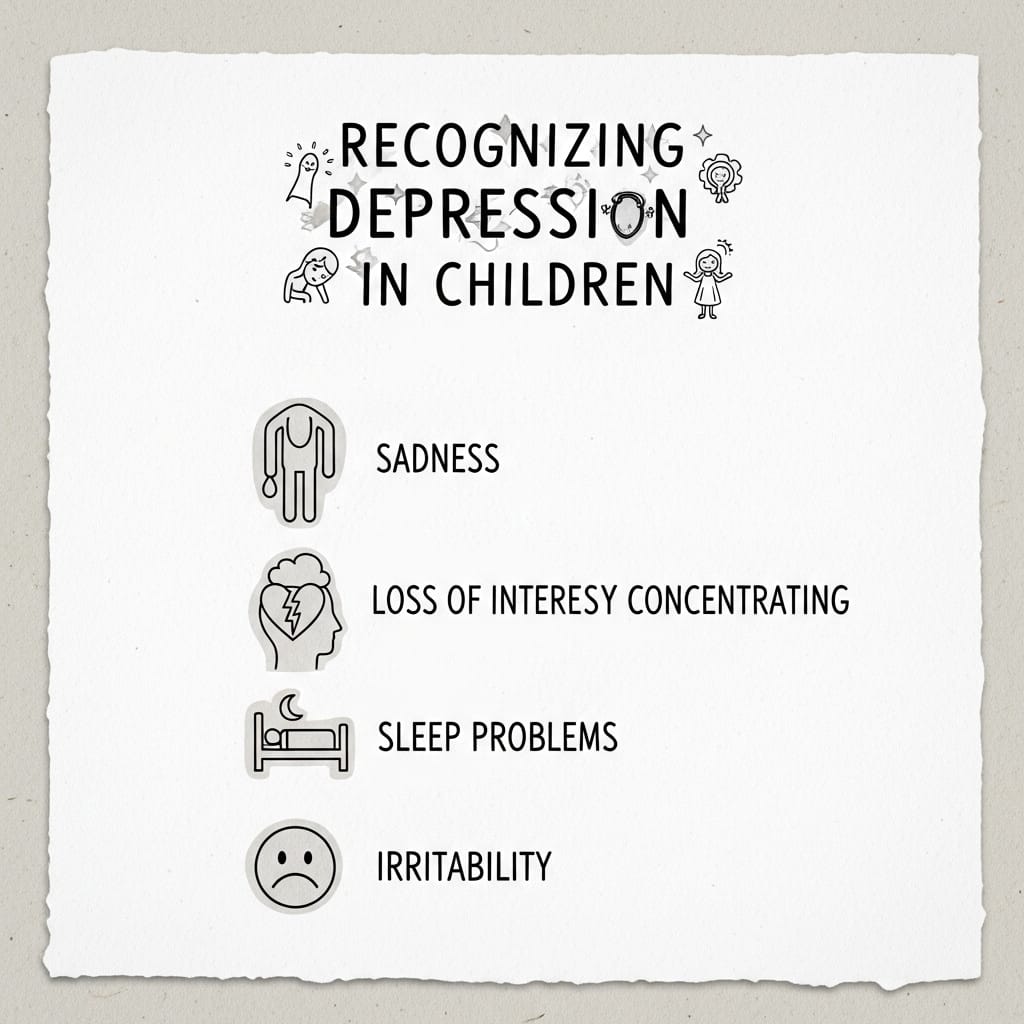
Depression in kids
Depression Symptoms in Children Can Differ from Adults
While childhood depression can mirror adult depression, it often manifests in unique ways. It’s crucial to look for these key behavioral and emotional changes:
- Persistent sadness and frequent crying
- Changes in sleep patterns and eating habits
- Loss of interest in favorite activities and hobbies
- Low energy and constant fatigue
- Social withdrawal and avoidance of communication
- Low self-esteem and feelings of worthlessness or guilt
- Irritability, anger, or destructive and aggressive behavior
- Difficulty concentrating, leading to a drop in academic performance
- Unexplained physical complaints like frequent headaches or stomach aches
- Thoughts of self-harm or suicide
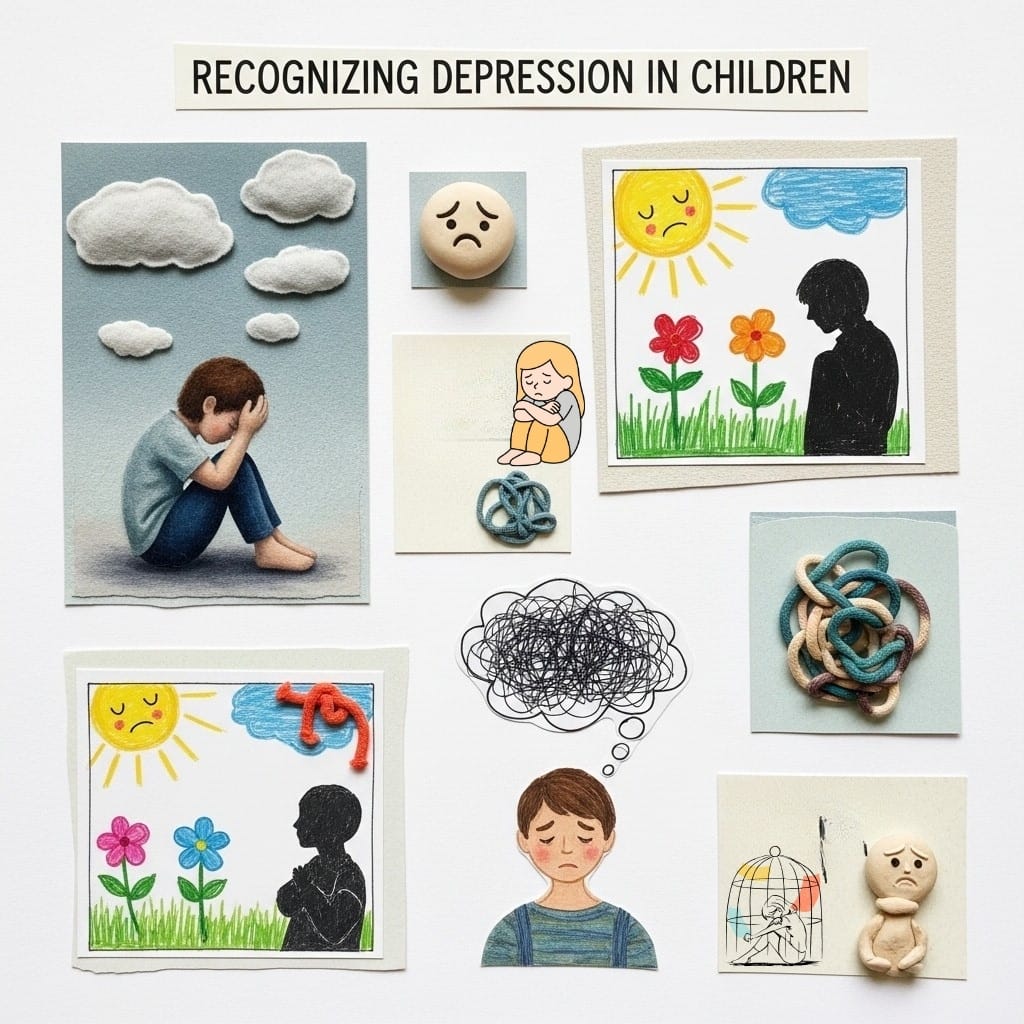
- Symptoms of Childhood Depression Differ from Adults: Children may exhibit persistent sadness, changes in sleep and eating, social withdrawal, low self-esteem, irritability, trouble concentrating, physical complaints, and thoughts of self-harm.
Treatment for Childhood Depression
Untreated depression can disrupt a child’s daily life and have long-term consequences, making early diagnosis and intervention essential.
Parents and teachers play a critical role by educating themselves about children’s mental health and being observant of behavioral changes. Seeking professional help is a vital and recommended step.
Effective treatment is often comprehensive. It typically involves individual therapy for the child, family therapy to address dynamics at home, and, when necessary, medication managed by a child psychiatrist. A combined approach offers the best support for a child’s recovery and well-being.