
Child Psychology-Dr. Craig Childress video talk.
Hello, I’m Dr. Craig Childress. I work as a clinical psychologist in Pasadena, California. My areas of expertise include the ADHD (Attention Deficit Hyperactivity Disorder) spectrum, children who exhibit angry and oppositional behaviors, family relationship issues, and parenting topics. Today, I will talk to you about how you can develop critical thinking skills in your child.
The Brain’s “CEO”: The Frontal Lobe
Critical thinking skills are closely related to a region of the brain called the frontal lobe. The frontal lobe is the last system in the brain to mature and typically “kicks in” around ages 5-7. We begin to use this system intensively between the ages of 7 and 12.
The principle of brain development is simple: We build what we use. Therefore, to develop a child’s critical thinking skills, we need to encourage them to use their frontal lobe system as often and effectively as possible.
Two Key Approaches: “Intention to Understand” and “Intention to Be Present”
How we interact with our child is critical to activating this system. We have two important approaches:
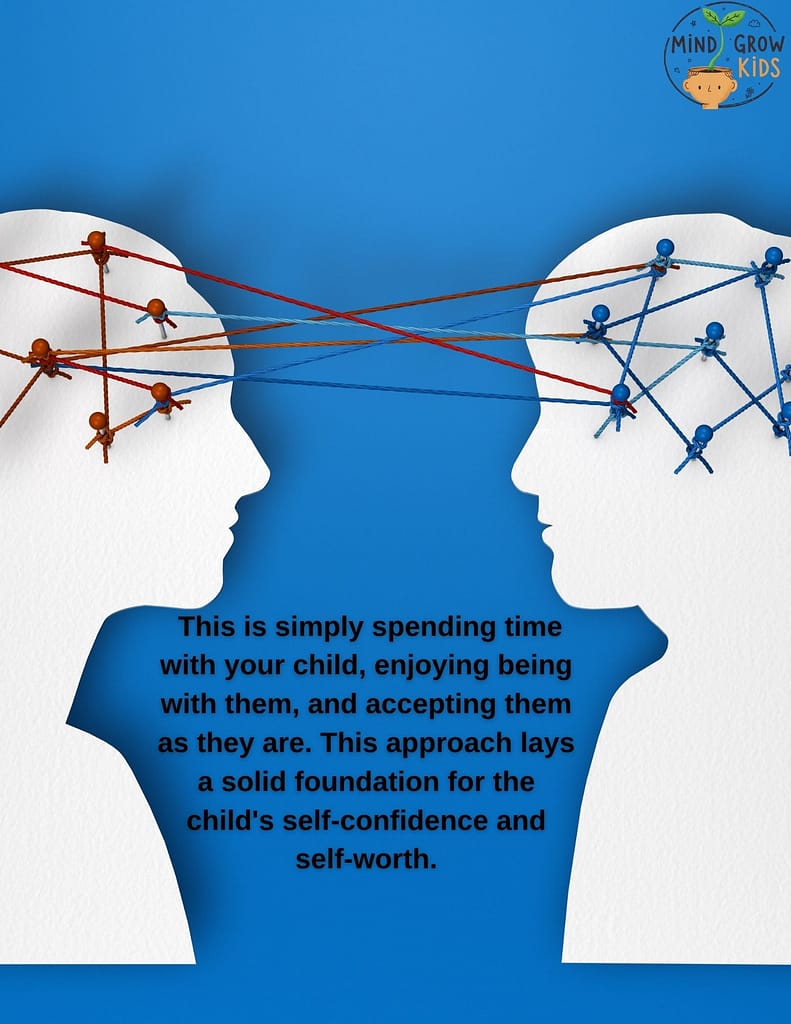
Intention to Be Together: This is simply spending time with your child, enjoying being with them, and accepting them as they are. This approach lays a solid foundation for the child’s self-confidence and self-worth.
Intention to Understand: This helps the child become aware of their own experiences and understand them. The key here is a simple and sincere sense of curiosity.
Instead of constantly offering solutions to the child, we guide them to find their own solutions by asking the right questions. For example:
“How would it feel to do that?”
“How do you think this would turn out?”
“That’s very interesting! What do you think?”
“Would you like to try that?”
These types of questions activate the child’s frontal lobe and strengthen their critical thinking muscles.
Trust and Love First: A Prerequisite for Critical Thinking
Critical thinking involves task-oriented and goal-directed motivation. However, this is a very important fact:
If a child’s relational needs (love, affection, attachment, psychological security) are not met or if they are experiencing emotional distress, their brain’s higher-level thinking and learning systems cannot be fully active.
Therefore, the most fundamental way to develop your child’s ability to solve complex problems is to provide them with a family environment where they feel safe, loved, and valued. The seeds of critical thinking can only sprout on a nurturing emotional foundation.
In summary: To support your child’s critical thinking, first establish a secure bond with them. Then, use your curiosity to encourage them to think, question, and find their own solutions. Remember, the brain strengthens what you use.