What’s Behind the Rise in Autism? And Are We All a Little “Autism-Prone”?
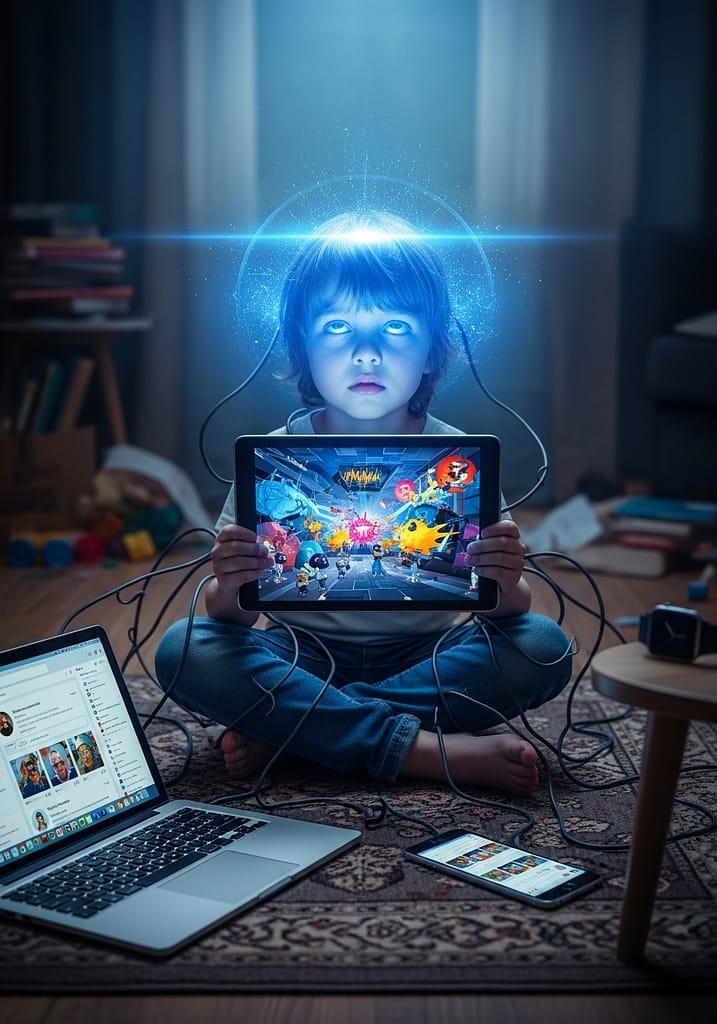
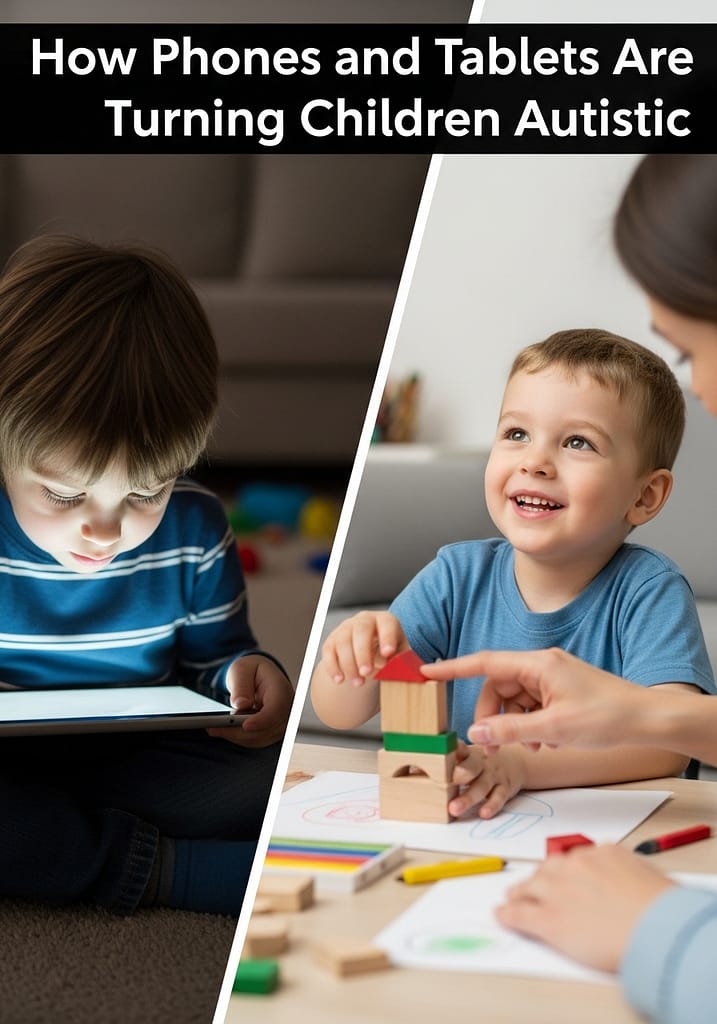
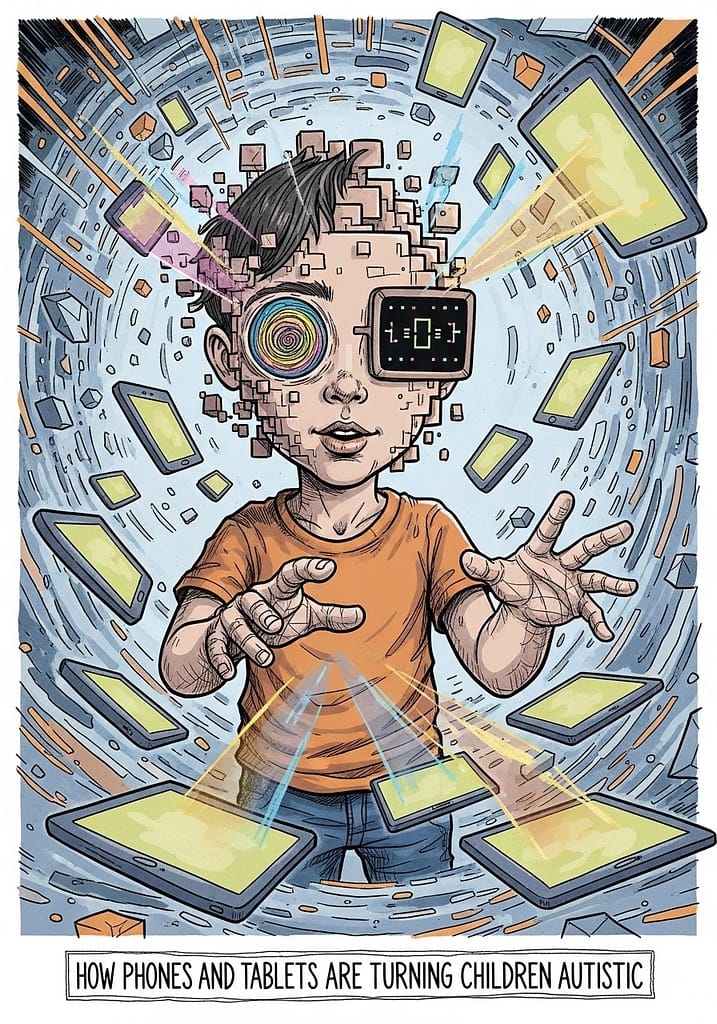
How Phones and Tablets Are Turning Children Autistic
Let me begin with a question: Has there really been an increase in autism and similar neurodevelopmental differences in recent years? Families are confused, asking: “Is it related to vaccines?” “What exactly is autism, and what is a tendency?”
First, let’s clarify: Autism is a condition with strong genetic roots. It requires a certain genetic foundation. But “genetic” does not mean “destiny.” This is where epigenetics comes in—the mechanism that determines how our genes are read, switched on, or switched off.
A great example helps explain this: identical twins. They share the same DNA, right? So how is it that one may be on the autism spectrum while the other is not? The answer lies in the micro-environment of the womb. One attaches to the right side of the uterus, the other to the left, and this tiny difference changes which genes are activated or silenced. Just as cells with the same DNA become eyes or nails depending on which genes are expressed.
Autism works in a similar way. Genetic predisposition is like a gun; the trigger is pulled by environmental factors in the womb and early childhood.
Modern Factors That Pull the Trigger
Unfortunately, modern life makes it increasingly difficult for mothers and babies to go through a “clean” developmental process. Here are some key triggers:
- Inflammation During Pregnancy: The more infections a mother experiences during pregnancy (flu, urinary tract infections, etc.), the more the baby’s immune system and inflammation-related genes are programmed accordingly. This not only increases autism risk but also predisposes the child to chronic inflammatory conditions like migraines or hair loss. Even an untreated, inflamed wisdom tooth can pose a risk.
- Maternal Metabolic Health: Nutrition during pregnancy, insulin resistance, smoking (including e-cigarettes), and sleep irregularities all affect the developing brain.
- Chemical Exposure: Pesticides, plastics, chemicals in cosmetics… Our bodies, especially developing brains, cannot handle such heavy chemical loads. Even unexplained kidney disorders may sometimes be linked to uncontrolled chemical exposure.
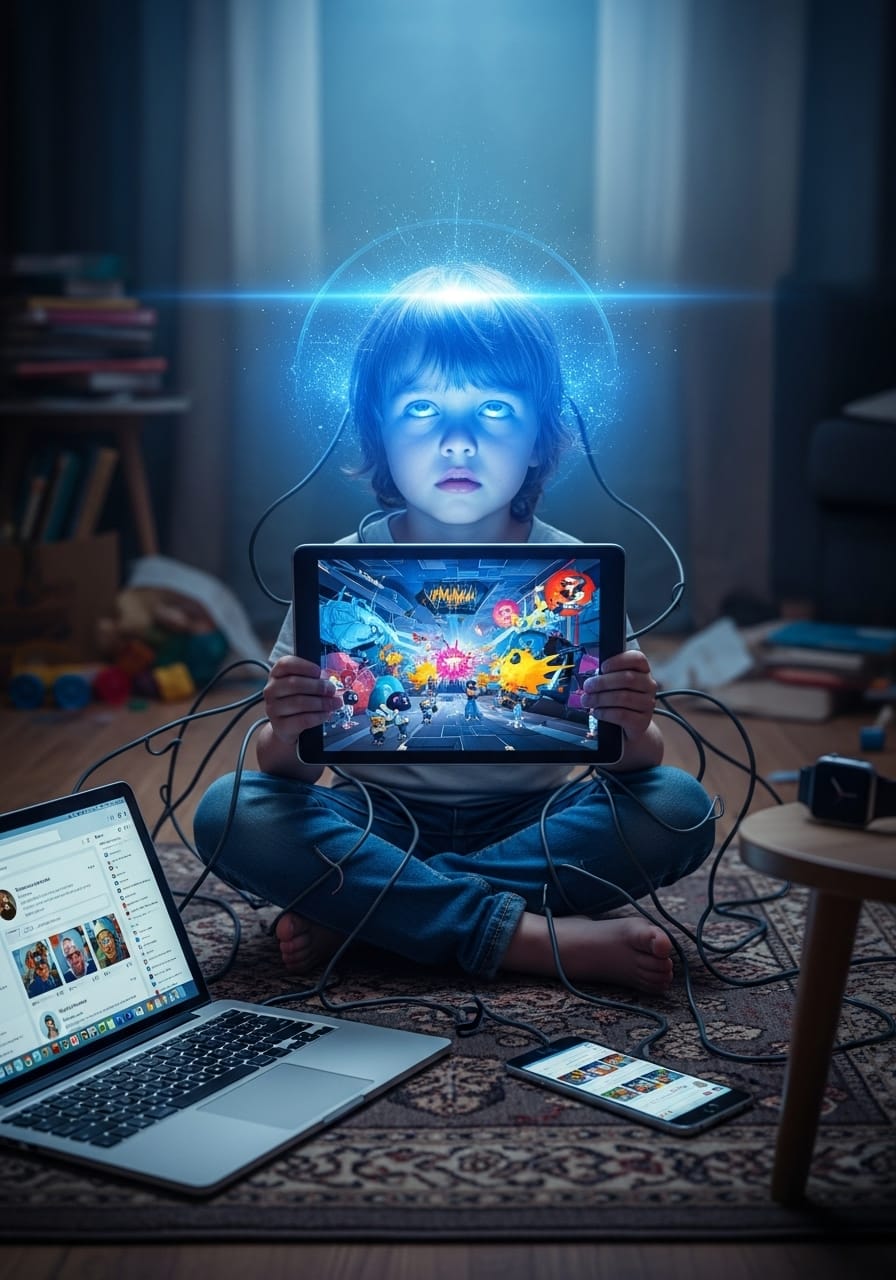
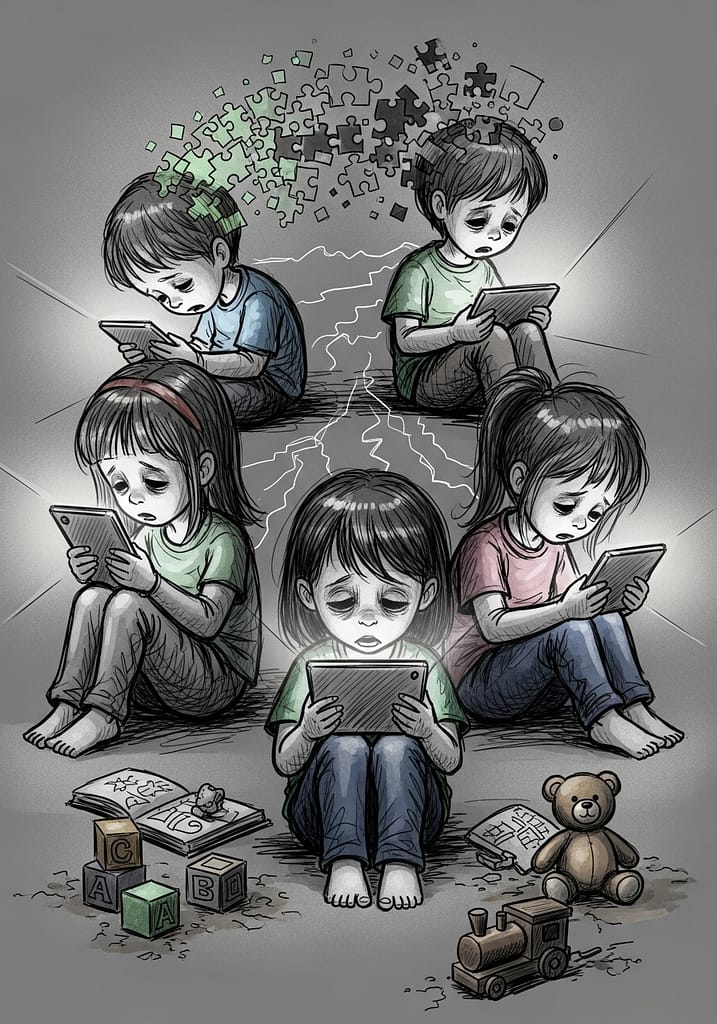
- The Digital World: Children are now born into the smartphone era. Constant exposure to repetitive, fast-moving images and reduced social interaction can create an “autism explosion.” The phrase “Generation Z is autistic” is sometimes used to highlight this trend. Not all, of course, but a clear pattern of “autism tendency” is emerging. A generation is growing up eating the same foods, listening to the same things, staring at the same screens.
Unfortunately, modern life makes it increasingly difficult for mothers and babies to go through a “clean” developmental process
This distinction is crucial. Autism is a spectrum with clear diagnostic criteria. “Autism tendency,” however, refers to individuals who do not fully meet these criteria but show similar traits. It may manifest as mild difficulties in social communication, intense focus on certain topics (hyperfocus), or sensory sensitivities. Families may notice differences in eye contact, response to names, or initiating and maintaining social interaction.
A Bigger Picture: Are We Creating a Sick Society?
The rise in autism is only part of a larger issue. Look around—everyone seems tired, unhappy, anxious, forgetful, irritable. Why? Because our brains are living in a state of chronic “inflammation.” By inflammation, I don’t mean infection, but cellular stress and damage.
Two main factors drive this:
- Technology and Social Habits: Social media, smartphone addiction, loss of real social interaction. Even in cafés, people no longer talk to each other; everyone is buried in their phones. The closest friend of humans has become the smartphone.
- Food and Chemical Exposure: Processed foods, additives, and chemicals everywhere.
Where Is This Heading?
Sadly, the outlook is not very bright. If these conditions continue:
- Psychiatric disorders (schizophrenia, depression, anxiety) will skyrocket.
- Impulsivity and violent tendencies will increase.
- Substance abuse will spread, as a generation accustomed to instant gratification seeks new “quick fixes.”
- Suicide rates will rise.
In Conclusion…
The rise in autism is not just about a medical condition—it is an alarm bell showing the cost of modern lifestyles. We must do everything we can to raise our children in environments that are cleaner, more natural, with fewer chemicals, less digital exposure, and filled with love and social interaction. This is not only essential for reducing autism risk but also for the mental and physical health of us all.