
CREATORS OF SCIENCE
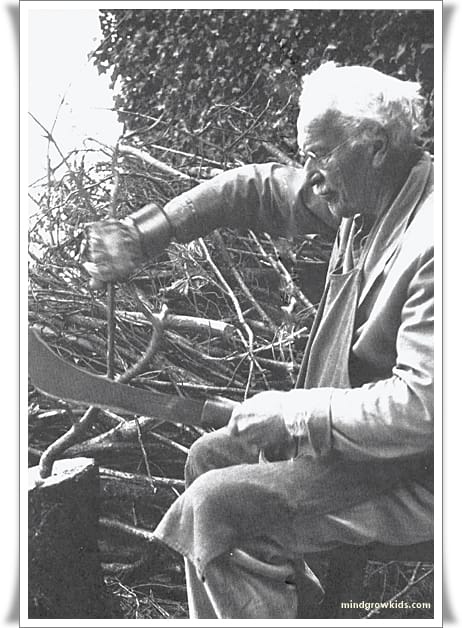
Carl Gustav Jung was born in 1875 in Kesswil, Switzerland. In his family, which was predominantly religious, Carl Gustav was named after his grandfather. Accounts of Jung’s childhood indicate that he did not have a particularly happy one. His parents were said to have constantly argued, and young Carl Gustav spent most of his time in the attic of his house, with no other companion but his wooden doll. After finishing his village school, Jung attended a school in Basel. His early years were difficult for him. He was a child who lived in his own dream world. He did not do well in school. A period later, developing a closer relationship with his father would help him overcome the frequent fainting spells he experienced and lead to greater determination and diligence in school. Jung would later say that these childhood hardships helped him, as a psychologist, better understand certain ailments. However, his relationship with his mother and father at the time was not very good. Jung remained in Basel throughout his student life, completing medical school there. At the age of 25, he moved to Zurich to specialize in psychiatry. This choice disappointed his university professors, as psychiatry was a field not chosen by many at the time, and was somewhat despised.
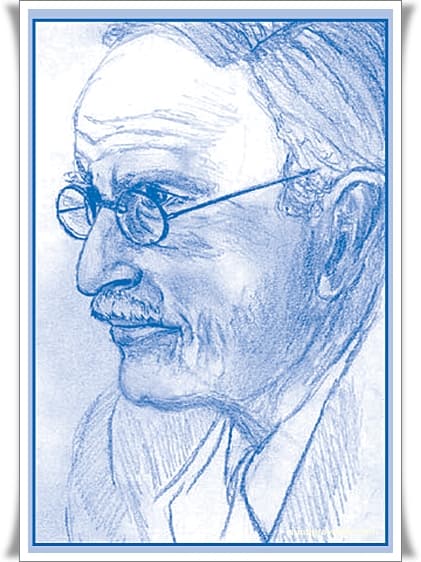
He married at the age of 28; this was also the year he became a psychiatrist. At 30, he began teaching at the University of Zurich. As a young scientist gaining recognition in his field, one of the most significant turning points in Jung’s life was his meeting with another renowned psychiatrist, Sigmund Freud. Their acquaintance began via letters. After a period of correspondence, their first face-to-face meeting is said to have been a most enthusiastic one. Their shared interests and desire to discuss so many topics that Sigmund Freud canceled all his appointments; the two scientists chatted for 13 hours straight. Freud, 19 years older than Jung, viewed him as a son. For Jung, Freud filled the father figure he longed for. This period marked the years when Jung became interested in the psychoanalytic theory Freud had developed. He began working on a method he called the word-association test, a study based on the analysis of words spoken to subjects and the emotions evoked by these words. Jung became the first president of the International Psychoanalytic Association at the age of 36. However, differences of opinion soon began to arise between him and Freud.
As a result of these disagreements, he soon resigned from the International Psychoanalytic Association and his position at the University of Zurich. Now possessing new ideas, he wanted to put his own theories into practice. Jung continued to work freely, independent of Freud’s views. Not confined to strict boundaries, he produced numerous new theories on many subjects not discussed within psychoanalysis, within the school he grouped under the name “analytical psychology.” At the age of 55, Jung was elected honorary president of the German Psychotherapy Association, and an institute was established in his name. By examining and incorporating branches such as religion, mythology, and art into his theories, he provided new insights into these fields. Carl Gustav Jung was 86 years old when he died in 1961. Psychology was still in its infancy during his time. With the theories he developed, Jung became one of the most prominent figures in his field.