Have you ever wondered how huge rockets launched for space missions can be? One of the largest rockets ever built, the Saturn V, stands at approximately 110 meters tall—almost 20 times taller than a giraffe and about 500 times heavier than an African elephant! So why are these massive vehicles designed this way? Let’s explore the answer together!
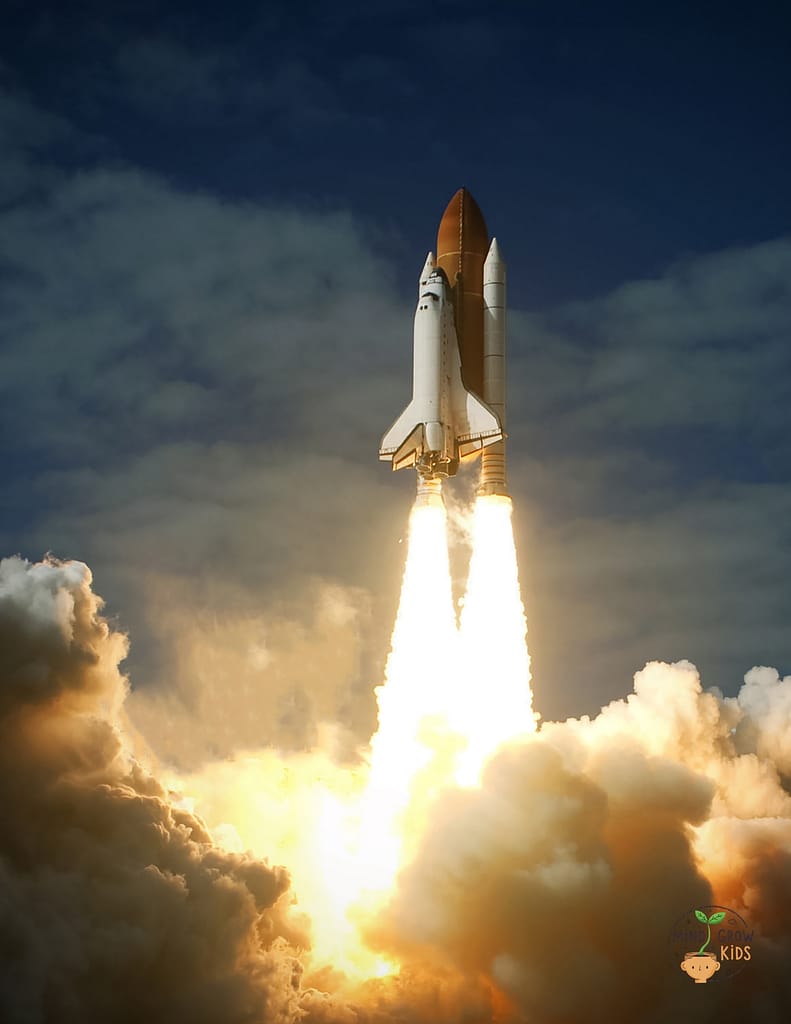
Rocket bodies are cylindrical. Do you know why? This shape reduces air resistance, making it easier for the rocket to accelerate. Air resistance is a force that prevents a rocket from moving fast. Thanks to the cylindrical body, air easily flows around the rocket, allowing it to accelerate using less energy. If the rocket had corners, the air would hit those corners, hindering its acceleration.
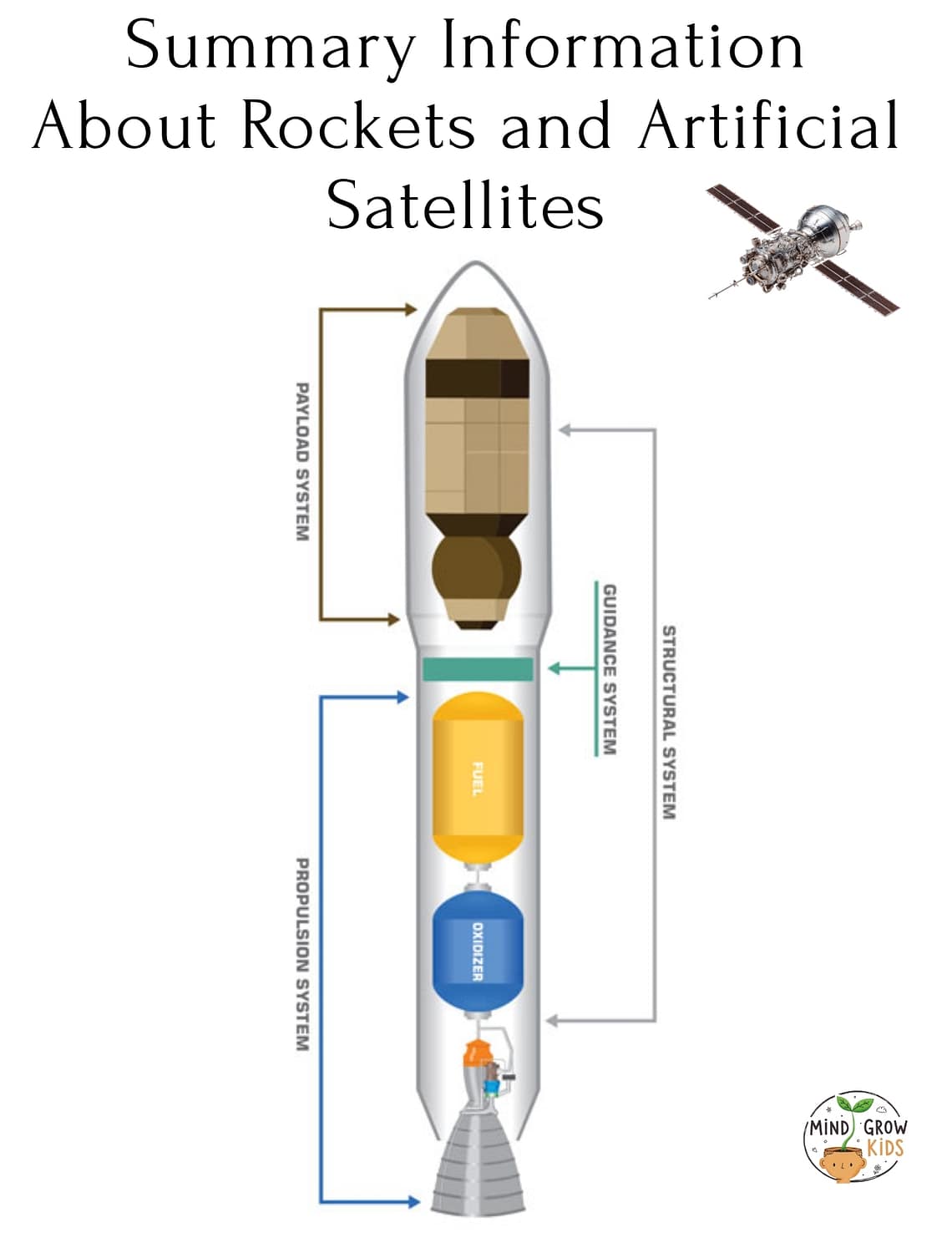
Another advantage of a cylindrical rocket body is the ease of carrying its contents. The cylindrical shape provides more volume compared to other shapes of the same length. This offers efficient space for placing components such as the fuel tank and engine inside the rocket. After this information, it seems more logical that water bottles should also be cylindrical, doesn’t it?
- The nose cone at the tip of a rocket is the first point of contact with the air as the rocket travels. A pointed nose cone is suitable for rockets that exceed the speed of sound, because the pointed nose creates a kind of “hole,” allowing air to flow easily around the rocket. For rockets that do not exceed the speed of sound, a flatter nose cone may be preferred.
- If you swing on a swing and spread your arms out to the sides, the wind will hit your arms and slow you down. To avoid a similar situation, rockets are designed to avoid extra surfaces that the air will hit.
- The speed of sound in air is approximately 1,200 kilometers per hour.
- Details such as the cylindrical body, special nose cone, and fins in rocket designs ensure that rockets reach space safely and quickly.
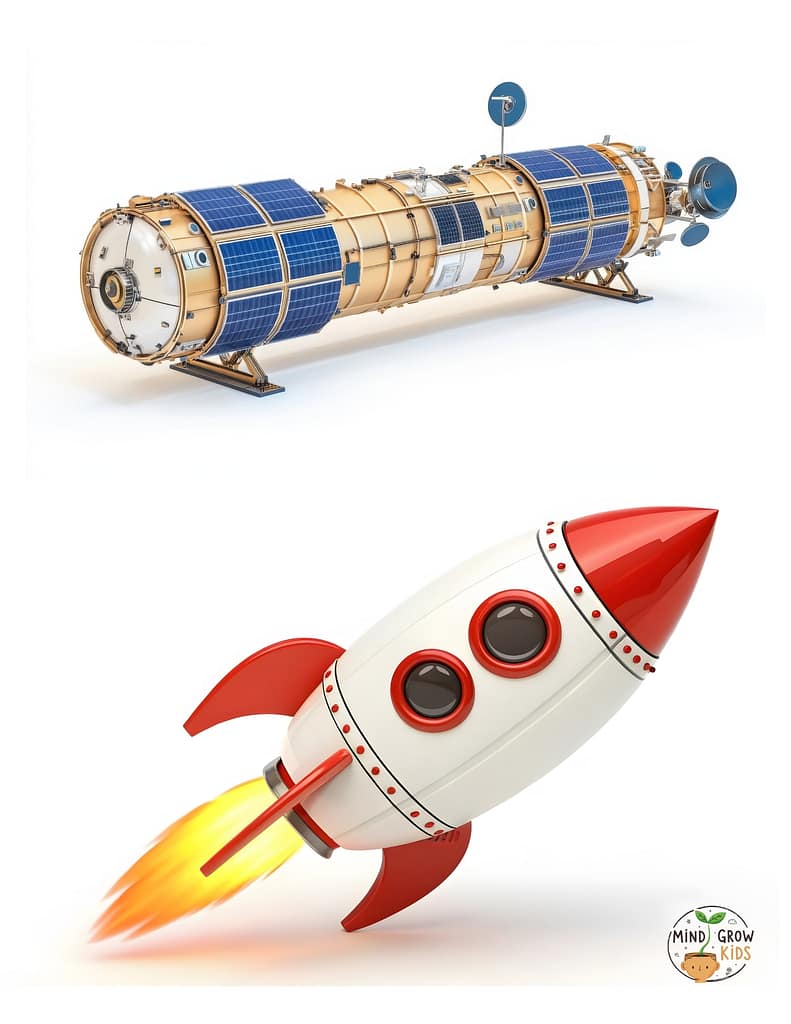
We launched rockets that carried satellites into space. Now it’s time to understand why artificial satellites have such different and interesting shapes! In space, there is no air resistance like on Earth. Therefore, the shapes of satellites are designed according to their functions. Communication satellites carry large antennas. These antennas communicate with antennas on Earth.
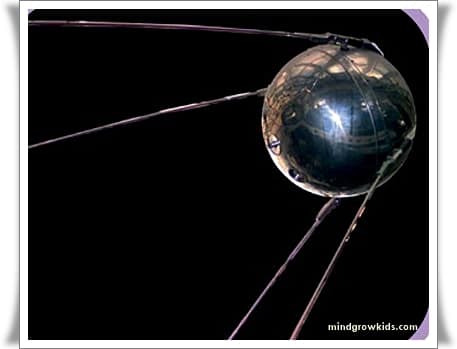
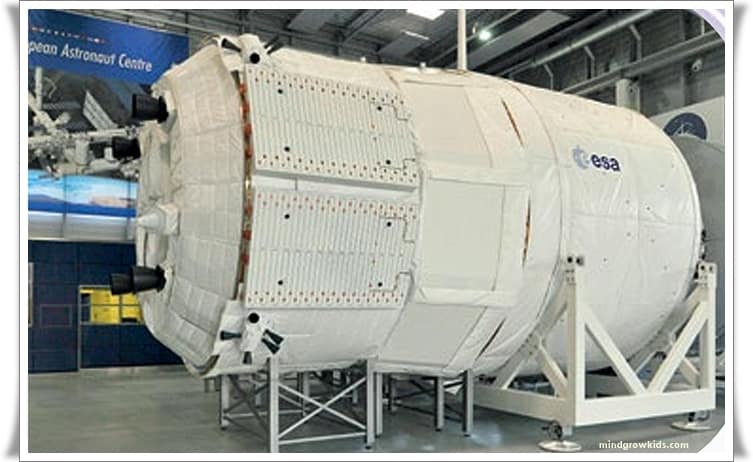
The first artificial satellite, Sputnik 1, is approximately 60 centimeters in diameter and weighs 83.6 kilograms. Vehicles that carry supplies to space stations can be much larger. For example, the European Space Agency’s Automated Transfer Vehicle weighs approximately 20 tons and can carry 9 tons of supplies to the International Space Station.
Automatic Transfer Vehicle
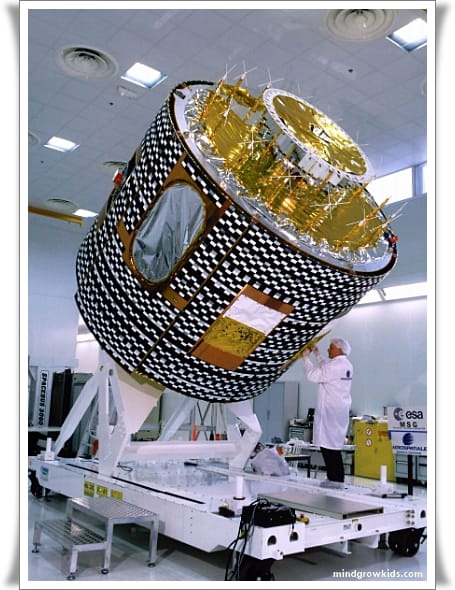
Some satellites, like Meteosat, rotate. These types of satellites are often drum-shaped due to their movement. The rotation keeps the satellite stationary and ensures that the instruments on board are constantly pointing in the same direction. Many other satellites are box-shaped and do not rotate.
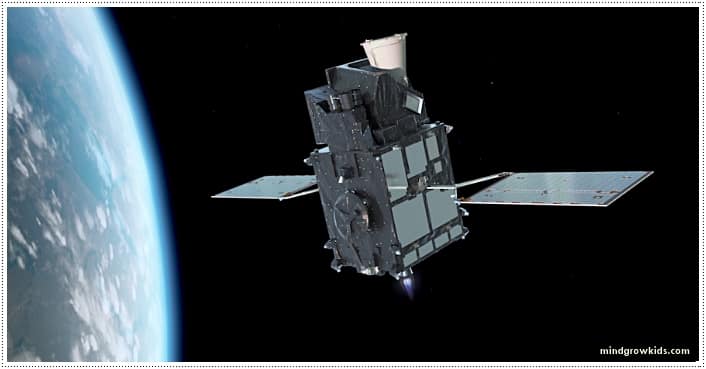
Some satellites have large solar panels. These solar panels convert sunlight into electrical energy, meeting the satellite’s power needs.
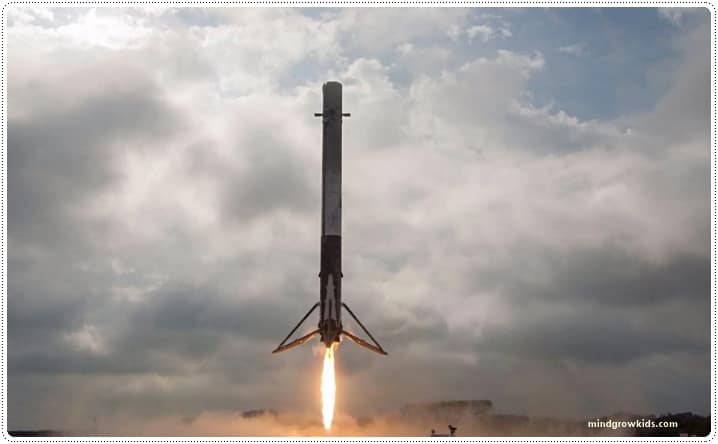
Today, some rockets are designed to travel to space, return, and be reused. Their design ensures stability and a controlled return to Earth. Satellites, however, do not return to Earth after launch. When their mission is over, they either re-enter the atmosphere and burn up or are carried to a distant orbit. Satellites gather important information about Earth and the universe, and provide communication and positioning services. Designed to perform their tasks optimally, these vehicles are the silent heroes of space!