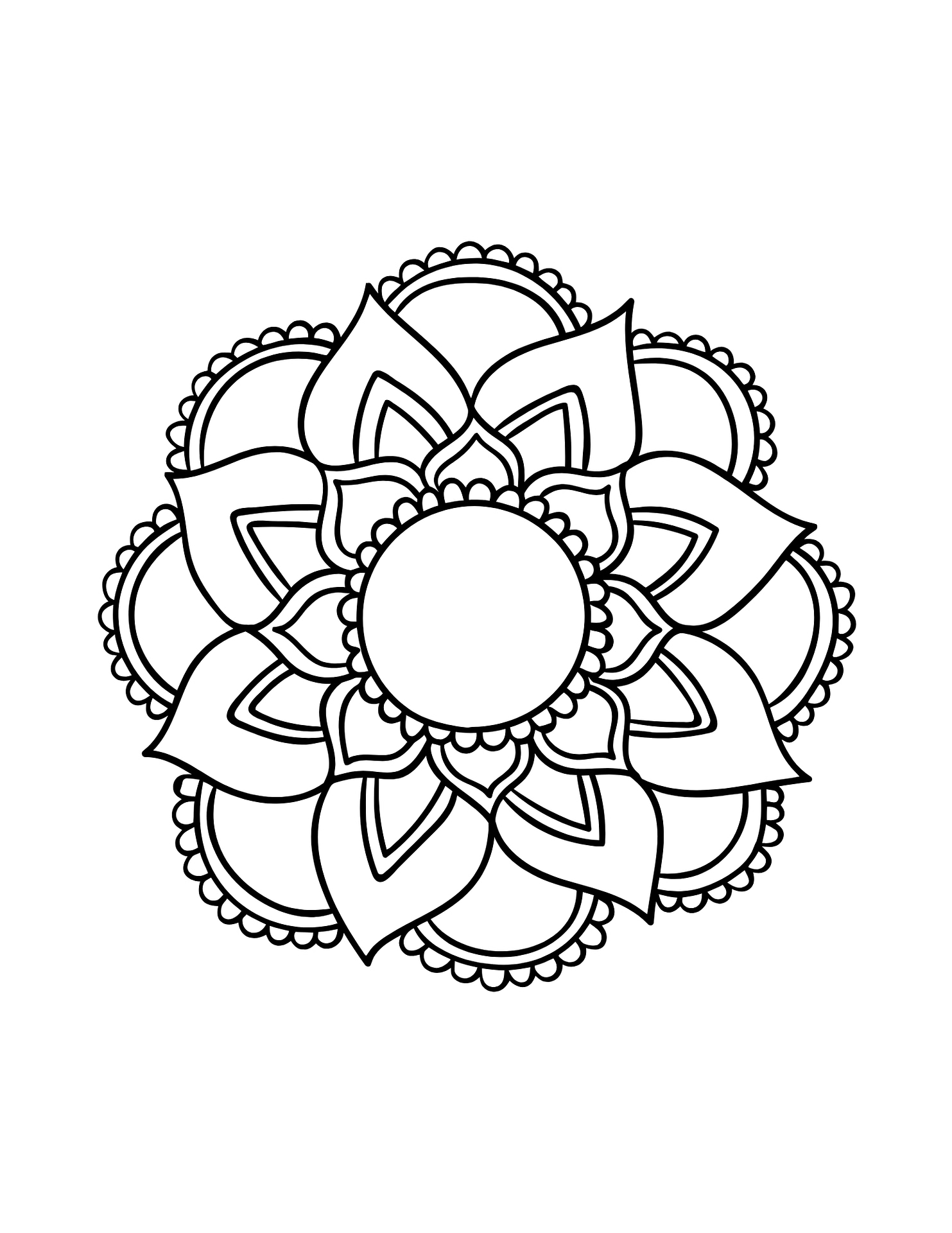

What is a Mandala? Its Root and Meaning
Author: Originator Kübra Sayık
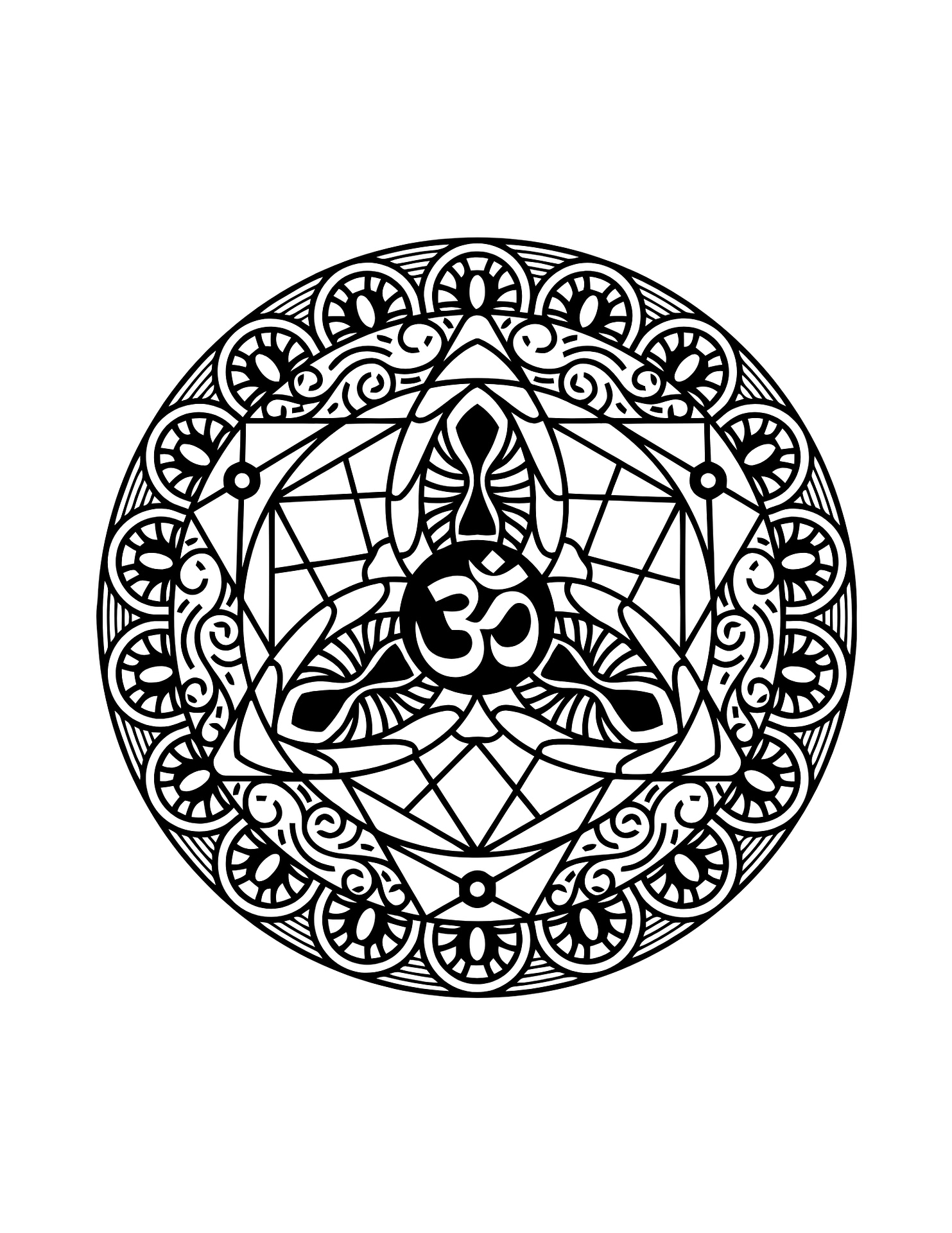
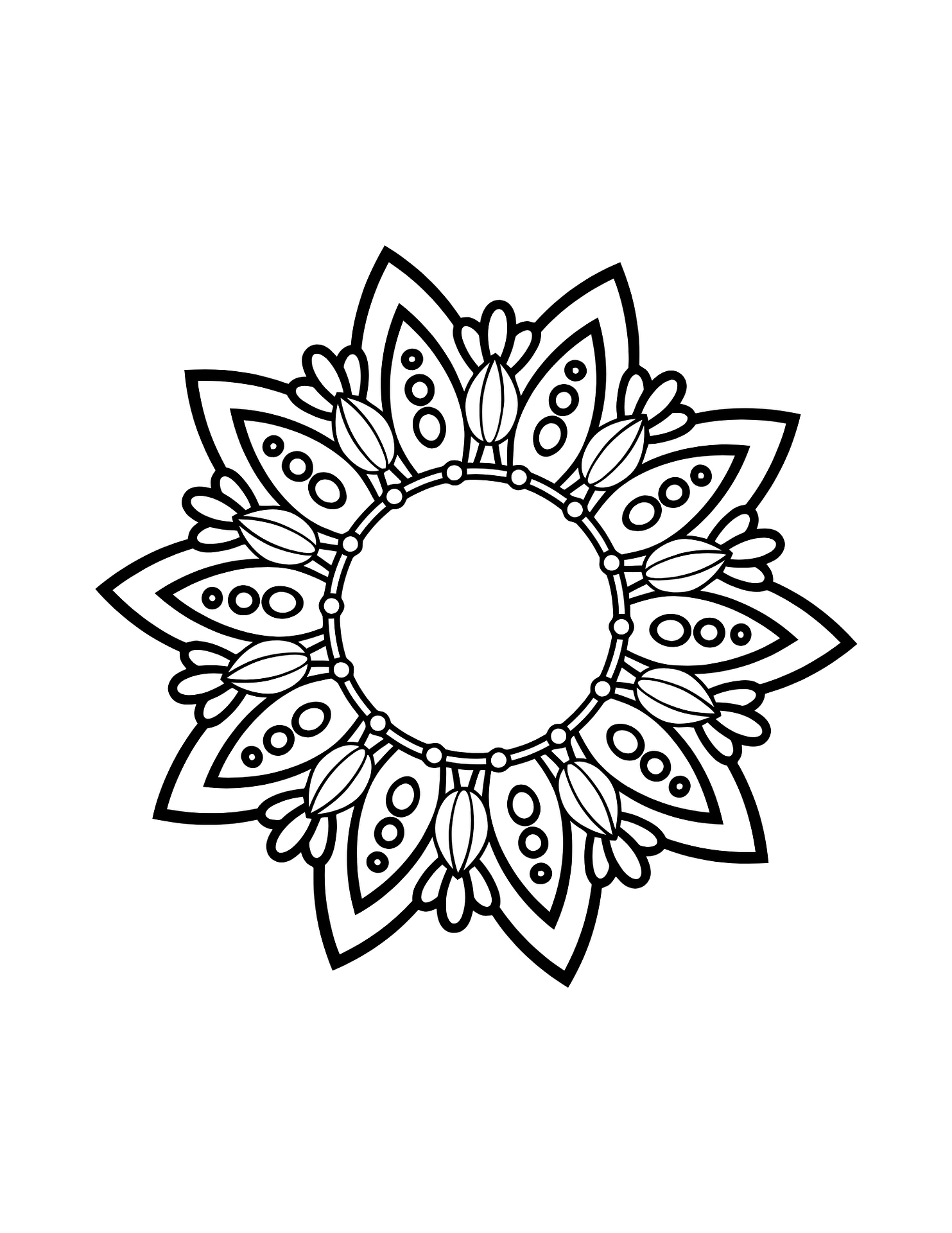
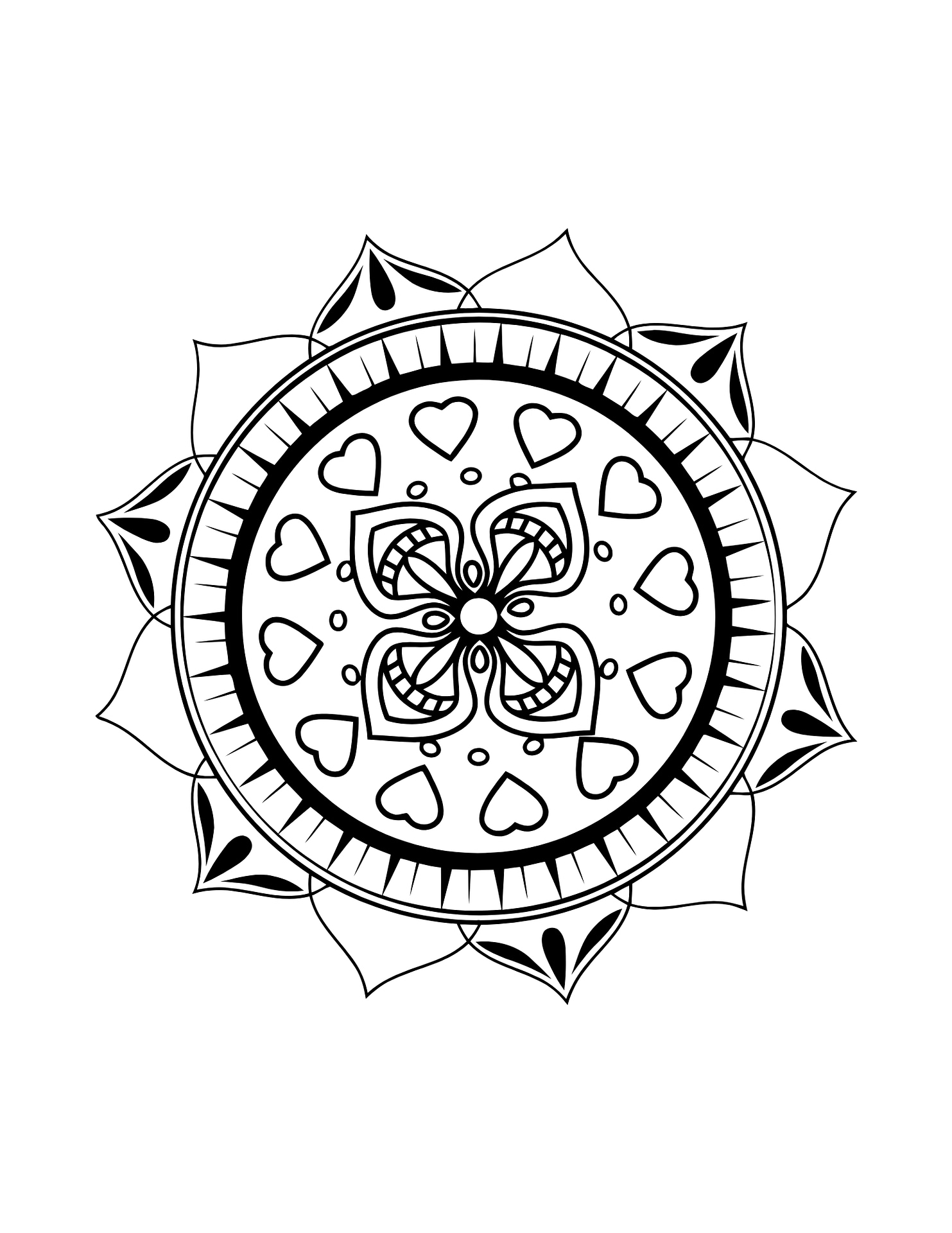
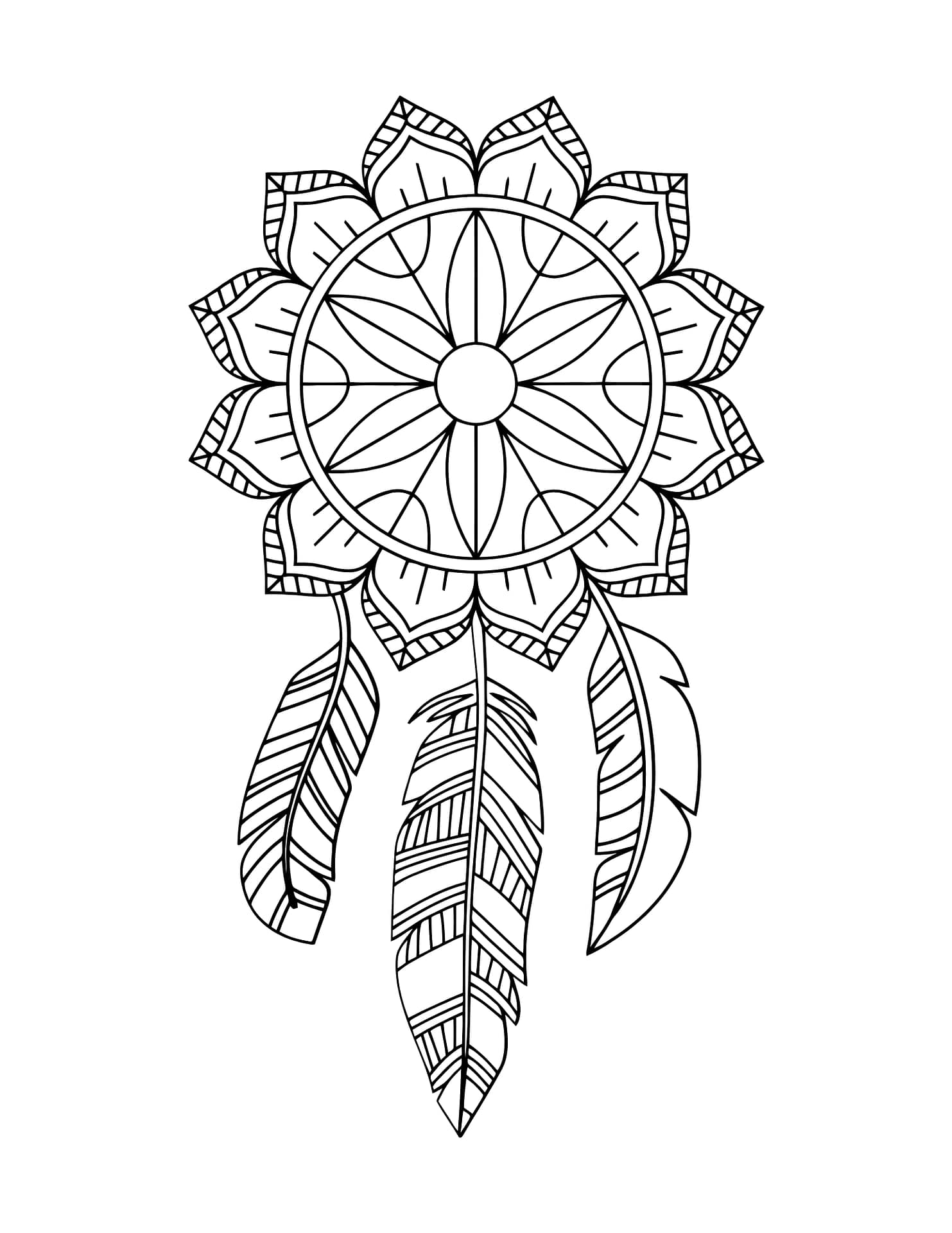
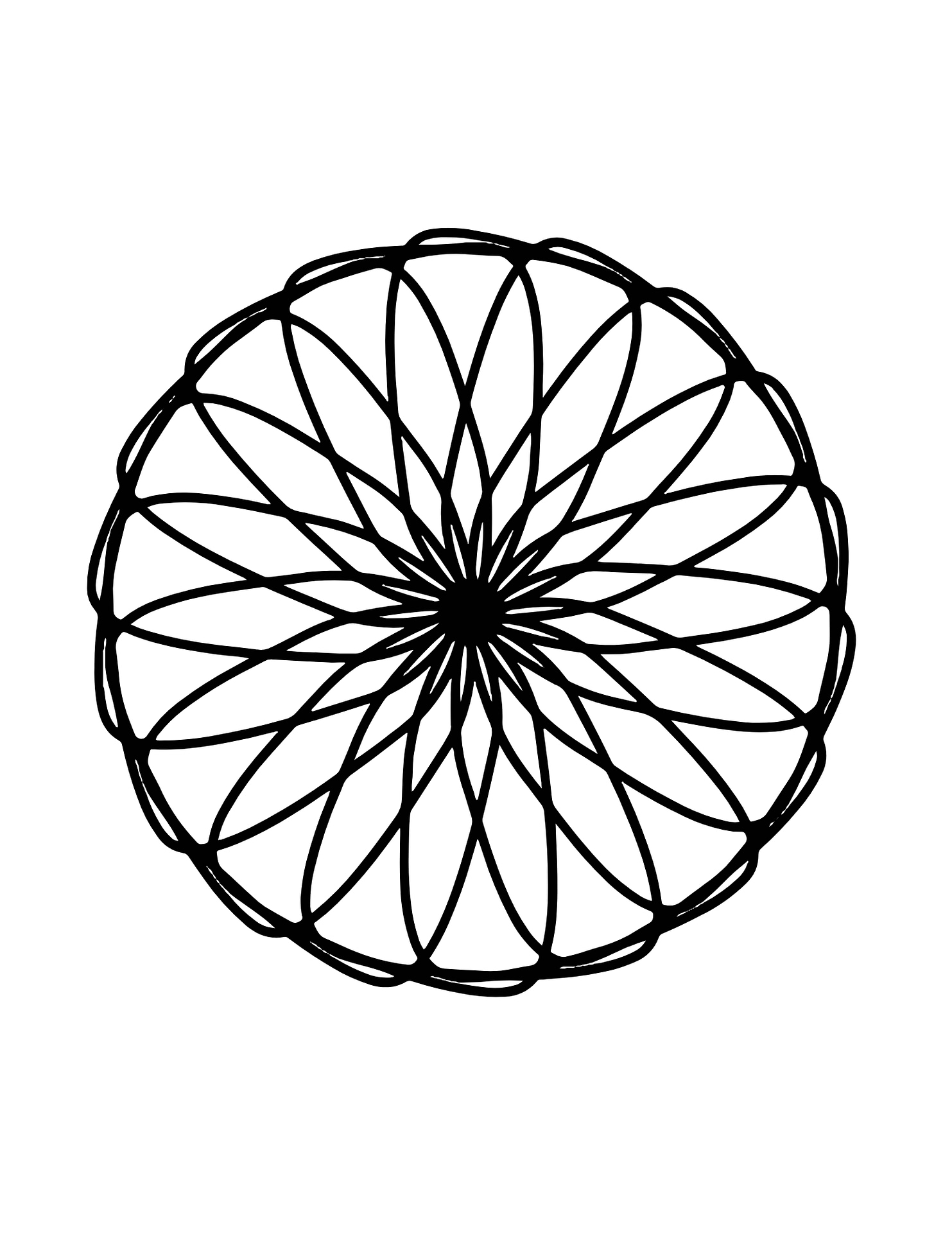
The word “mandala” is shaped from the words “man” (vitality) and “la” (energy-carrying vessel). Whereas frequently related with Hinduism and Buddhism, its roots are much more antiquated. Mandalas can be found in numerous places, from shamanic societies to different conventions around the world. We indeed see follows of the mandala in Islamic geometric patterns.
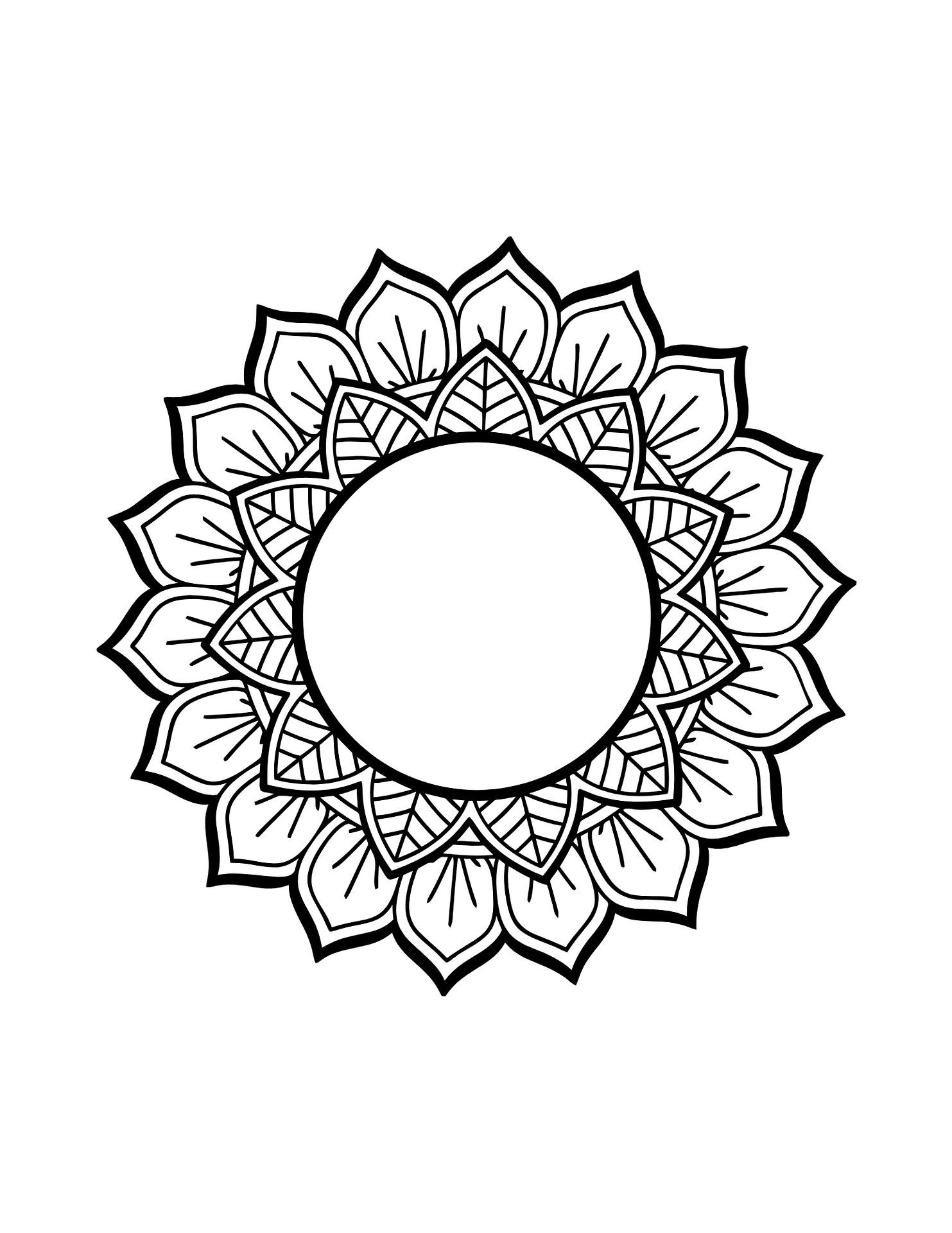
Mandala basically implies “circle” or “circle.” It speaks to the different ethereal universes, the universe, and the divinities inside them. In truth, indeed the circular frame of the planets is a mandala in itself.
How to Draw a Mandala? Essential Principles
Drawing a mandala is a travel that unfurls from the interior out. Here are the fundamental steps:
Finding the Midpoint: The to begin with step is to discover the midpoint of the paper.
Circle and Lattice: A circle is drawn from this point, and this circle is partitioned into a framework framework, like a pizza cut or a dartboard.
Opening from the Interior Out: The most critical run the show is to begin the designs in the center and work your way outward, proceeding the same design until the circle is completed. A diverse design can be made with each modern circle.
A mandala doesn’t fundamentally have to be circular; square mandalas too exist. The key is to construct a structure that begins from the center and opens outward, reminiscent of spirals and the brilliant proportion. This handle is a allegory for communicating our inward energy.
Who Can Draw Mandalas? Is Expertise Required?
Anyone who can hold a pencil can draw a mandala! This is an action everybody can do, from a 2- or 3-year-old to an 80- or 90-year-old. No extraordinary ability is required. Fundamental the plans that may appear complex at to begin with look is really a scientific and geometric arrange. Once you get a handle on this arrange and the rationale of filling in the lattices, anybody can make their possess interesting mandala.
The Benefits of Mandalas:
Not Fair a Design, a Therapy…
Mandalas are much more than fair an stylishly satisfying picture; they are a significant inward work. Famous therapist Carl Jung utilized mandalas in psychotherapy sessions to analyze the internal selves of his clients.
Inner Development: When drawing a mandala, we calm the intellect and pour out as it were what comes from the heart onto paper. This is a association we set up with our genuine self.
Understanding Different Selves: In day by day life, we act as diverse “selves” in distinctive situations (family, work, companions). Mandalas open a space that makes a difference us get it ourselves and the moves between these selves.
Mental and Mental Benefits:
Helps center and increment concentration.
Reduces push and gives mental relief.
Teaches persistence; appears how flawed points of interest make a culminate agreement inside the whole.
Supports creative energy and creativity.
It gives noteworthy benefits for children with extraordinary needs.
It progresses hand-eye coordination.
Painting or Drawing? The Key Difference
Yes, there is a noteworthy contrast between the two:
Painting: Bringing color and life to a mandala made by somebody else. This is a exceedingly advantageous work out for reflection, calmness, and concentration.
Drawing: Making your claim mandala from scratch, utilizing designs and colors that come from inside. The most compelling way to completely get to the pith of a mandala and advantage from its significant benefits is to draw it yourself.
Sacred Geometry: The Texture of the Universe
Sacred geometry is an arrange we watch all over we see in the universe. We see this arrange in clears out, plants, creatures, bee honeycombs, mountain arrangements, and fractal structures. The premise of sacrosanct geometry is the Blossom of Life.
Flower of Life: A shape composed of 19-20 interlocking circles. It takes its title from its representation of the life cycle from seed to tree, from tree to bloom. It can be thought of as a structure speaking to the texture of the universe and the imperceptible bonds in space.
Metatron’s 3d shape: The essential shape determined from the Bloom of Life and containing all sacrosanct geometry images. Plato’s five solids can be extricated from Metatron’s 3d shape. These solids are too related with the elements:
Tetrahedron: Triangular pyramid. Speaks to the component of fire.
Hexahedron (3d shape): Speaks to the component of earth.
Octahedron: Speaks to the component of air.
Dodecahedron: Ether/ether, which speaks to the whole universe.
Icosahedron: Speaks to the component of water.
Considering these geometries not as it were in two measurements but moreover in three and more measurements makes a difference us get it their inescapability and hallowedness in the universe.