
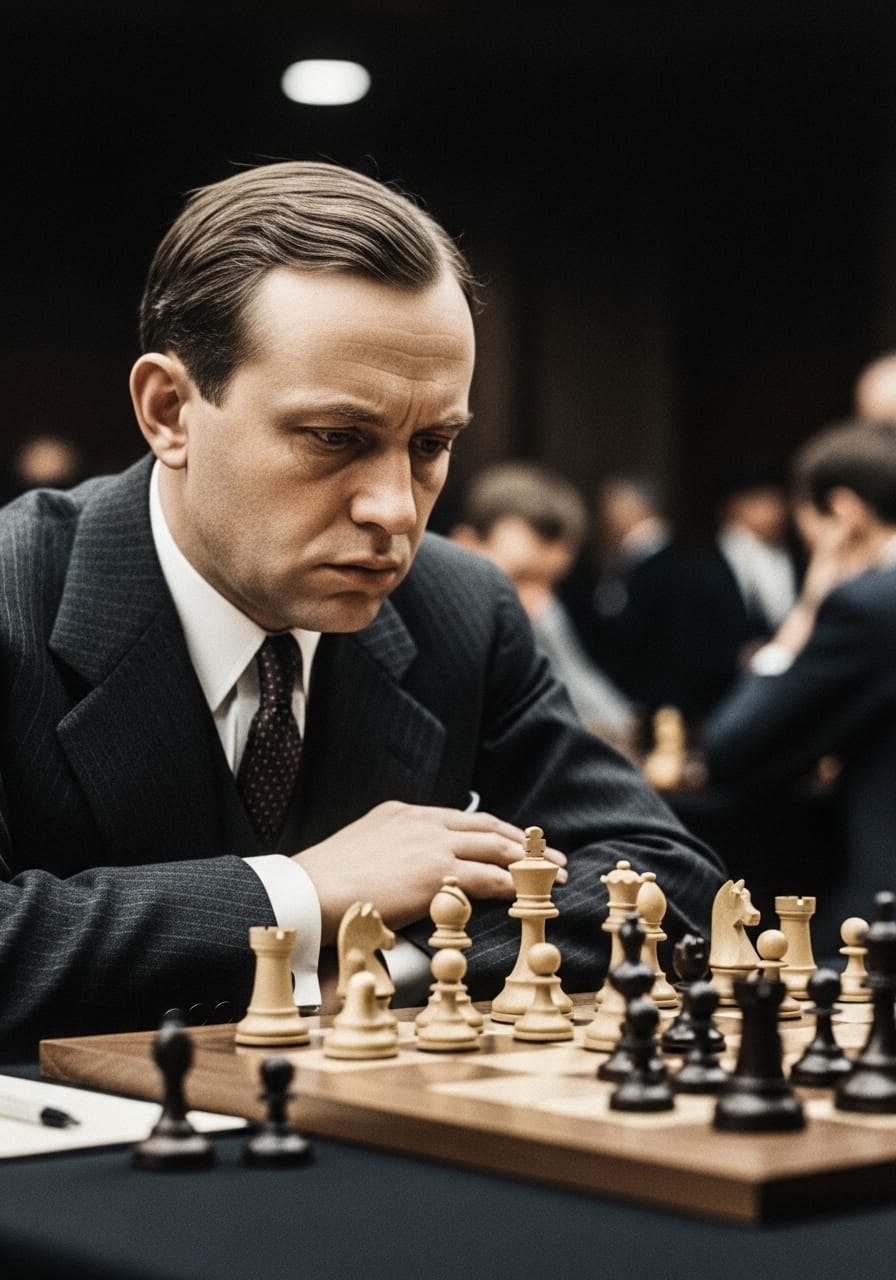
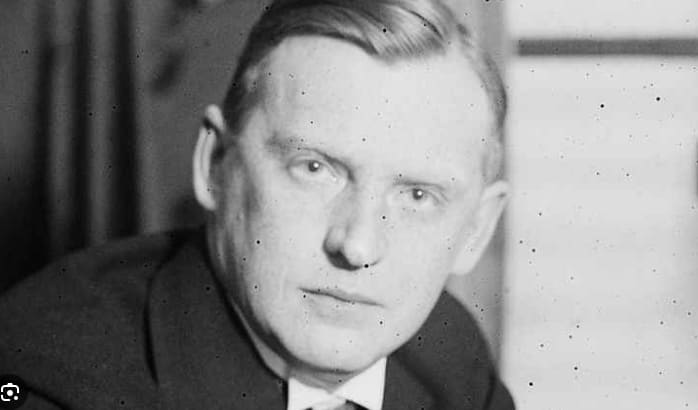
Alexander Alekhin was a master chess player who played an offensive game. He was the “world chess champion” consecutively from 1927–1935 and 1937–1946. He made significant contributions to the chess world by writing chess books in which he analyzed his own games. Alexander Alekhin was born in Moscow in 1892. He learned chess from his mother at the age of seven. He attracted attention with his games at the 1914 St. Petersburg tournament. After this, he decided to dedicate himself to chess. However, due to the decreasing opportunities to play chess at that time, he left his country He became a French citizen. During this period, he won many tournaments. In 1927, he became world champion for the first time by defeating Capablanca. Alehin lost the world championship to the Dutchman Max Euwe in 1935. However, two years later, he won the match against Euwe again and regained the title. He held the title until his death in 1946. He became a judge in 1920; however, he preferred to pursue chess. He always carried a small chess box with him. In 1933, he surprised everyone by playing against 32 people simultaneously. Moreover, he did so without looking at the chessboards or his opponents!
A. Alehin – A. Frieman, 1924 New York. Comments by Alexander Alehin on one of his own games…
1.e4 e5 2.d4 exd4 3.c3 d5 4.exd5 Vxd5 5.cxd4 Af6 6.Ac3 Fb4 7.Af3 Ac6 8.Fe2 0–0 9. 0–0 Fxc3 (Black has made the correct moves so far; however, this change is incorrect because this move targets White’s center)
It strengthens. Actually, 9…Va5 10.bxc3 b6 is a good move for Black, but it’s not, as White’s pawns will gain time and space. The best option is 10…Fg4. 11.c4 Vd8 12.d5 Ae7 13.Ad4. This prevents Black’s bishop from developing on the c8h3 diagonal. 13…Fb7 14.Fb2. The simpler option is 14.Ff3 or 14.Fg5. 14…c6! 15.Ff3 cxd5. Sacrificing the central pawn for development is quite tempting. 16.Ke1 Ke8 17.Vd2 Kb8 18.Vg5 19.Ae6! is worrying. 18…Ag6 19.Af5. After that, this attack can be difficult to stop. White’s new threat is simply that if 20.cxd5 19…Kxe1+ 20.Kxe1 dxc4 e er 20…h6 is played, then 21.Vg3 followed by 22.Fxf6 or 22.Ae7+ is worrying. 21.Fxb7 Kxb7 22.Fxf6 Vxf6 22…gxf6 23.Vh6 Vf8 24.Ke8 Vxe8 2.Vg7+ checkmate. White again finds checkmate in four moves;
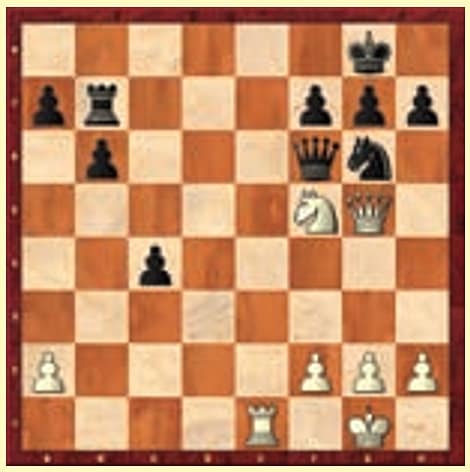
23.Ke8+ Af8 24.Ah6+ Vxh6 25.Kxf8+ xf8 26.Vd8# 1-0