Hello everyone, today’s topic is Stress Management.
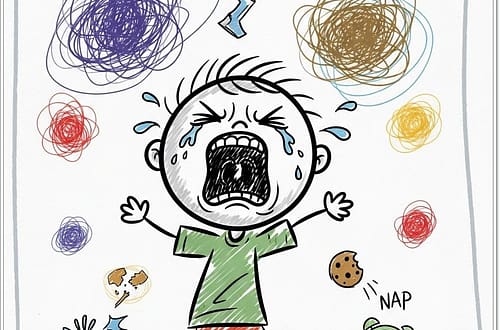
Stress is always present in our lives. As long as we manage it, there is no problem. However, if we do not control it, it causes mental, physical, and emotional problems, and it can even become chronic. So let’s explore how we can manage the stress that is always present in our lives and use it as fuel. When we talk about stress management, we think about what stage of stress we are at and where we encounter stress. We need to realize that stress is actually present in every moment of our lives. The times when we are happy and relaxed, when we are flexible, are actually in the minority, but we don’t notice it. Where do we encounter stress?

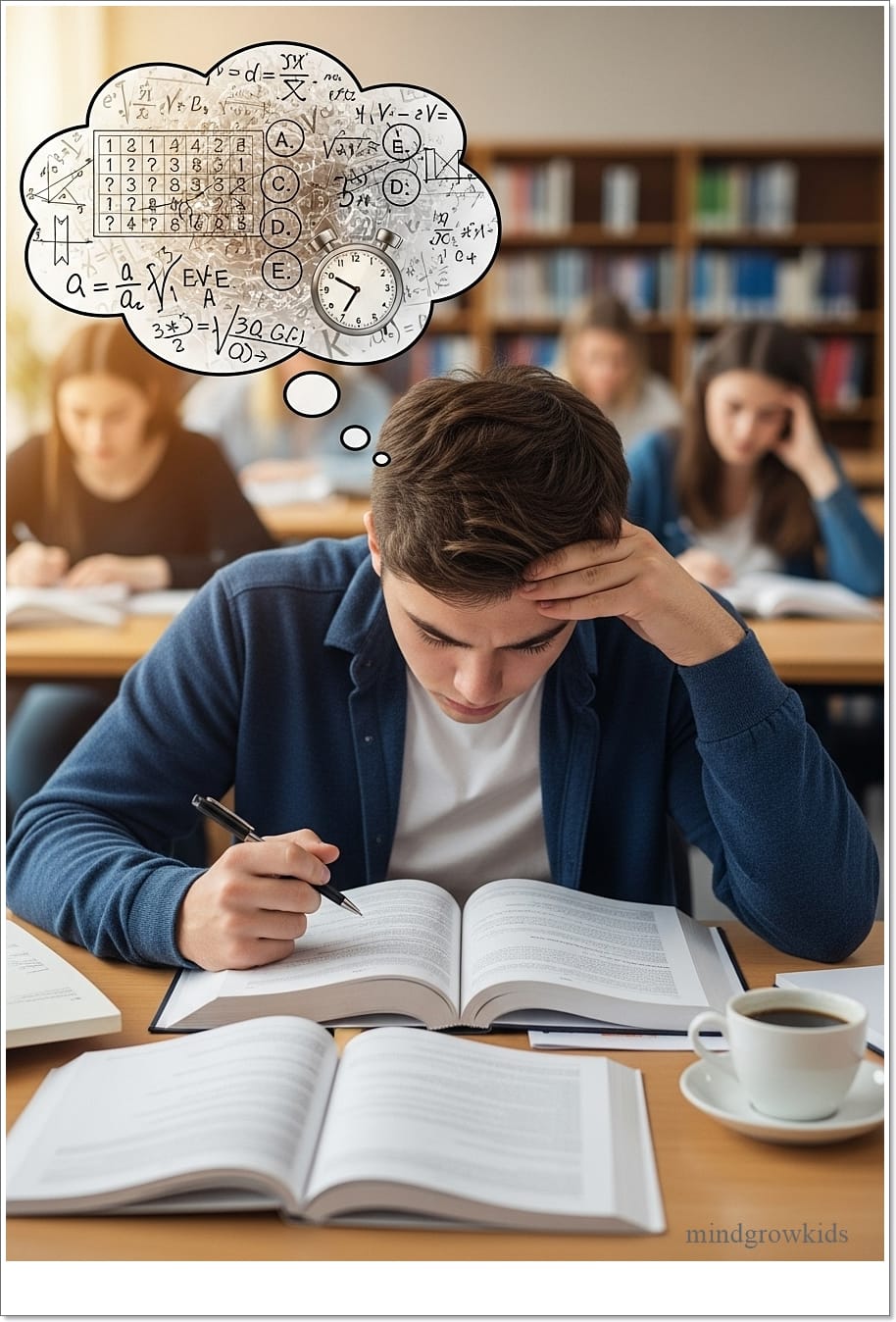
When something new enters our lives, when there is a change, when we learn something new, there is stress. In a new job, in a new city, in a new school, with your spouse, when divorcing your spouse, when there is death, when there is tragedy, you are constantly under new stress. For example, if you are taking an exam or preparing for a presentation, that means there is stress. Stress is fuel for us as long as we control it, and it is what drives us and enables us to take a step further. So let’s take advantage of this. Friends, there is something called emotions, thoughts, and behaviors, which I also call the 3D dynamics. If you control one of these and create awareness, the other two follow suit. Now let’s examine them one by one:
Our emotions, our thoughts, and our behaviors. Let’s start with our thoughts. Let’s look at how the brain works. There is something called a ‘winning attitude’. The whole world is trying to achieve this. A winning attitude is about changing your attitude rather than leaving things as they are; it’s about your perspective. My teachers used to say, “You can’t change anyone, you can’t change events, you can’t even change yourself.
The only area you can change and where you are free is your perspective on any event.” Our thoughts are every thought that crosses our mind. And experts say we think about many things throughout the day. Positive or negative thoughts manifest, or our words trigger a response from the brain. If we use negative words, it responds differently than if we use positive words. We don’t say to the taxi driver, “I don’t want to go there, don’t take me there,” we say where we want to go. So, rather than stressful sentences, choose sentences that will do you good and make you feel comfortable. These pass through the mind so quickly that we don’t even notice them. The speed of the thoughts passing through our brain is also very important. Because, again, experts say that our brain has a rhythm. The waves are different in sleep rhythm, different in wakefulness, and different in between. And the world also has a rhythm. So you need to know your learning rhythm, know your memory rhythm, and at the same time, you need to first recognize your state and movements when you are asleep, awake, or resting, and adjust yourself accordingly.

Here, the winning attitude becomes very important. Because we will either be frustrated about something or say, “No, let’s see how we can get into a more profitable situation.” If we go back and forth between these two, we may feel exhausted, tired, or even depressed. How will we get out of this? By controlling our behavior. How do we behave? If you walk exhausted, sit exhausted, slump as if carrying a load on your shoulders, close yourself off to light and life, believe me, your body, thinking this is what you want, will continue to do just that. So what will we do? There is a solution to everything, but we haven’t seen it yet. So our behavior will be quick, active, and upright. Look at those who have succeeded; none of them are exhausted, none of them walk with their heads down; they are all energetic, lively, and right in the midst of life, flowing with it. So, keeping your spine straight will relax your breathing area, making your mind much clearer, even to the point of noticing ideas. And emotions… Emotions are directly related to breathing. If you are angry, you breathe like a bull. If you are very tense and stressed, you forget to breathe, and life comes knocking at your door. We should stay away from both of these breathing rhythms and breathe properly and rhythmically, just like babies. In this state, we will direct all our attention to our breathing and control our breath. One of the points we will pay attention to is how deep, how comfortable, how frequent and rhythmic our breathing is, and whether it is in harmony with us, whether we are in harmony with our breath.
Since our emotions influence our thoughts and behaviors, we must mention the remarkable discovery of mirror neurons by scientists. Mirror neurons are programmed to reflect emotions, which are the foundation of thoughts and behaviors. The human body reacts as if it were actually there, as if it were real. Your brain perceives everything you watch, listen to, say, or think as if it were happening here and now. If the person in front of you is very angry, we feel the same; if they are much more relaxed, we feel the same. They also perceive you in the same way. Therefore, someone needs to break the cycle and take control to normalize the situation. Research has also shown that there are other factors that influence our emotions. For example, how your room smells, what colors surround you, what color you are wearing… This is called color therapy. At the same time, the music you listen to and its rhythm also govern your emotions. We need to create awareness about this too. Friends, another point to pay attention to is this: Do you know how to tell if your body’s muscles are tense or not? First, tense your entire body, all your muscles, your shoulders, your palms, and then relax.
After doing this 3-4 times, you will notice the difference between a tense and a relaxed body. The nice part is this: If you are very tense, your body will try to relax you. There is a saying in Anatolia: “If you laugh too much, you will cry.” Or sometimes we start laughing in unexpected places, crying in unexpected places. Your body tries to pull you to the opposite point. If we are aware of this and keep it balanced in the middle, it will give us tremendous power to manage stress.
Catch the sentence that bothers you and crosses your mind. Is this sentence really true? Look at it objectively. What will this sentence gain you? Is it true? Take a look at that. If you get stuck on this sentence, see what it will cost you. Will this sentence be so important in 5 or 10 years? And finally, turn this sentence around. Or change yourself by saying, “I am eager to do this” for the opposite of every sentence in your head. If you need to change instantly, drink a glass of water. If the water is a little cold, even better. Count the places you want to go. Count them in a language you’ve recently learned or a foreign language.
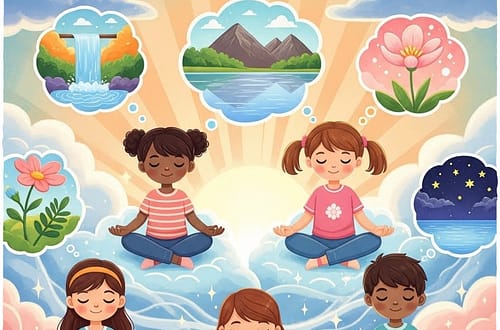
Chewing gum, meeting water—that is, washing your hands—and listening to good music, rhythmic music, will do you a world of good. If you are very tense, feeling tense, and if possible, change your location and create your own space in your mind. Whenever you feel bored—before a presentation, before an exam, or before any stressful situation—going to that space in seconds will be very good for your mind and body. Stress is present in every moment of your life. What we call happiness comes in bits and pieces over time; when we put them together, we say we are “happy.” There is something in nature called “natural alertness.” For example, when a deer drinks water or when you look at a butterfly, you will notice that at the slightest change, they go into stress mode to protect their lives, adjusting their behavior, thoughts, and feelings. If we accept this natural alertness from the outset, it won’t feel exhausting to us. So stress is actually what develops us, and the more stressed we are and the more we can turn it into fuel, the more it can become a loyal friend. Let’s smile at stress; to the extent that we manage it, success, strength, and love will be with us.
Artur: Saadet Şen