Can you be friends with a tree? We think so. Friends know each other very well. Would you like to get to know trees better?
Trees are woody plants that continue to grow throughout their lives. Their shape, size, and lifespan vary greatly from species to species. There are more than 20,000 known species of trees on Earth, ranging from delicate ornamental trees to giant sequoias.
The world’s oldest tree is a pine tree in California, USA, that is approximately 4,700 years old. The world’s tallest tree is a giant sequoia, also in the USA, that stands approximately 112 meters tall. Tropical rainforests are the most diverse in tree species. Turkey also has a large number of tree species.
Regardless of the tree’s size and shape, they all belong to one of two plant groups: gymnosperms or angiosperms. Angiosperms are flowering plants whose seeds are covered with a protective layer. 90% of plant species are angiosperms. Gymnosperms, on the other hand, are trees and shrubs that produce seeds that are not covered with a protective layer. They do not flower. The most well-known non-flowering trees are cypress, pine, spruce, and ginkgo.
“I Observe Trees“
Identifying trees can be much easier than identifying many other living things in nature. This is because trees don’t move around like birds, mammals, or insects. This allows you to study them to your heart’s content. Furthermore, trees are long-lived creatures. Some live for hundreds of years. It’s also fascinating to observe their development over time.
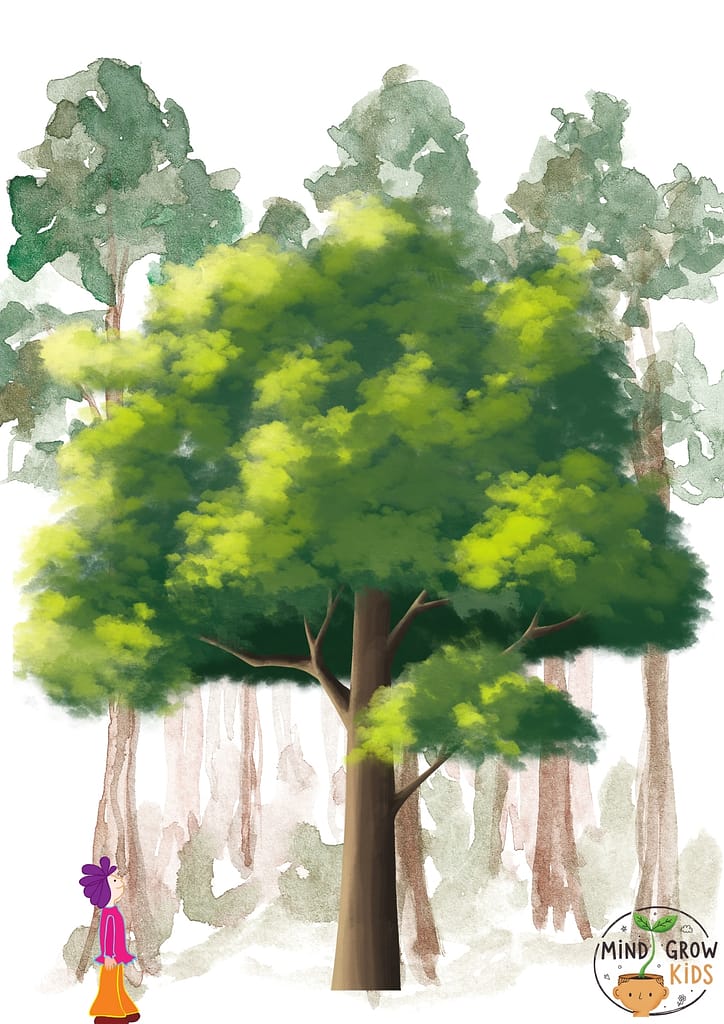
To someone unfamiliar with trees, many may appear similar from a distance. However, once you enter the world of trees, you’ll realize how different and how interesting each one is. Different tree species have adapted to different environments. Discovering the different characteristics of trees, examining their bark, leaves, flowers, and fruits, and exploring their world is very enjoyable.
How Do We Identify Different Tree Species?
There are various ways to identify a tree. While a tree’s appearance from a distance often provides a clue, it’s sometimes insufficient. First, consider whether your tree is coniferous or broadleaf. Examine the shape, color, and arrangement of its leaves on the branches. Care must be taken when doing this, as some tree leaves are very similar. For example, the leaves of some fruit trees. The color and texture of the tree’s trunk, and any fruit, flowers, or buds, also help us identify trees. Perhaps the first step in understanding trees is to understand that all tree species have characteristics that distinguish them from others.
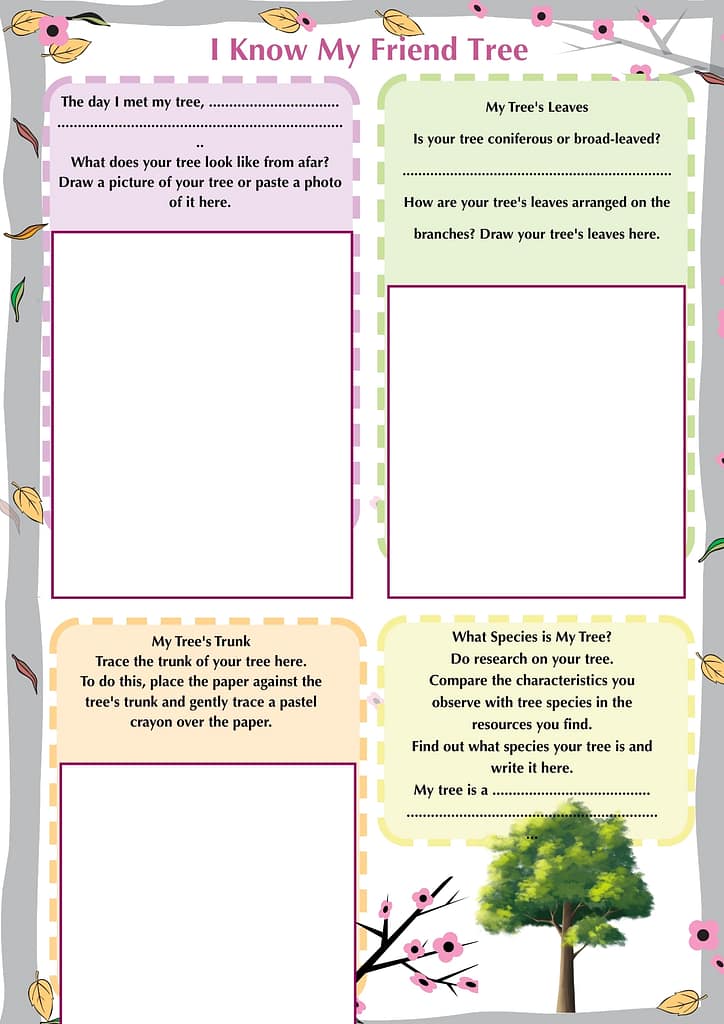
You can research tree species in encyclopedias, guidebooks, and online resources. You can also use the Science Kids “Trees” cards to learn more about trees. Many of the tree species on these cards grow naturally in our country. Don’t forget to send your tree observations from your “Observation Notebook” to our column.
Leaves:
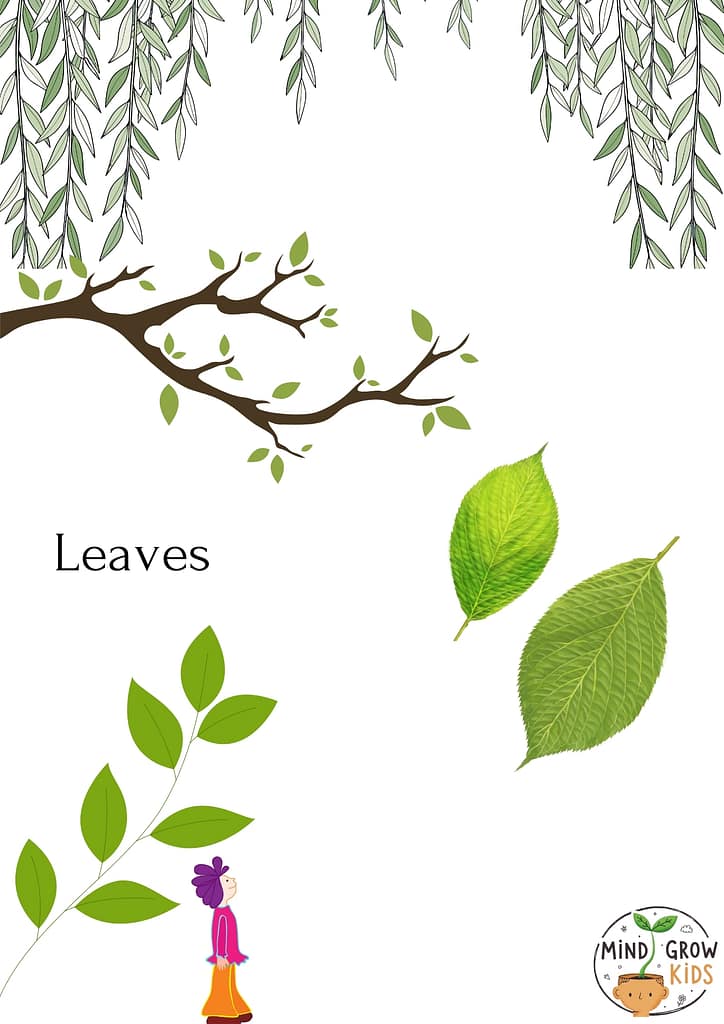
The most important clue to identifying a tree is the shape of its leaves. Is your tree coniferous or broadleaf? Are its leaves small or large? What shape do its leaves resemble? Are their edges serrated?
View from a Distance:
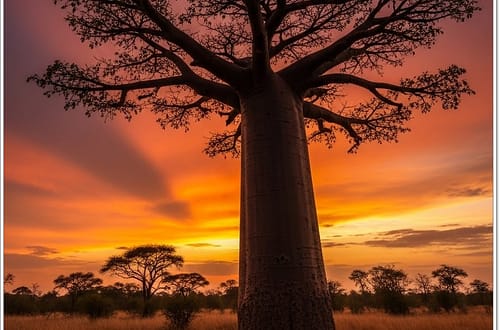
A tree’s appearance from a distance also helps us identify it. You can identify some trees simply by looking at how they look from a distance. For example, some trees, such as the stone pine, have very unique shapes.
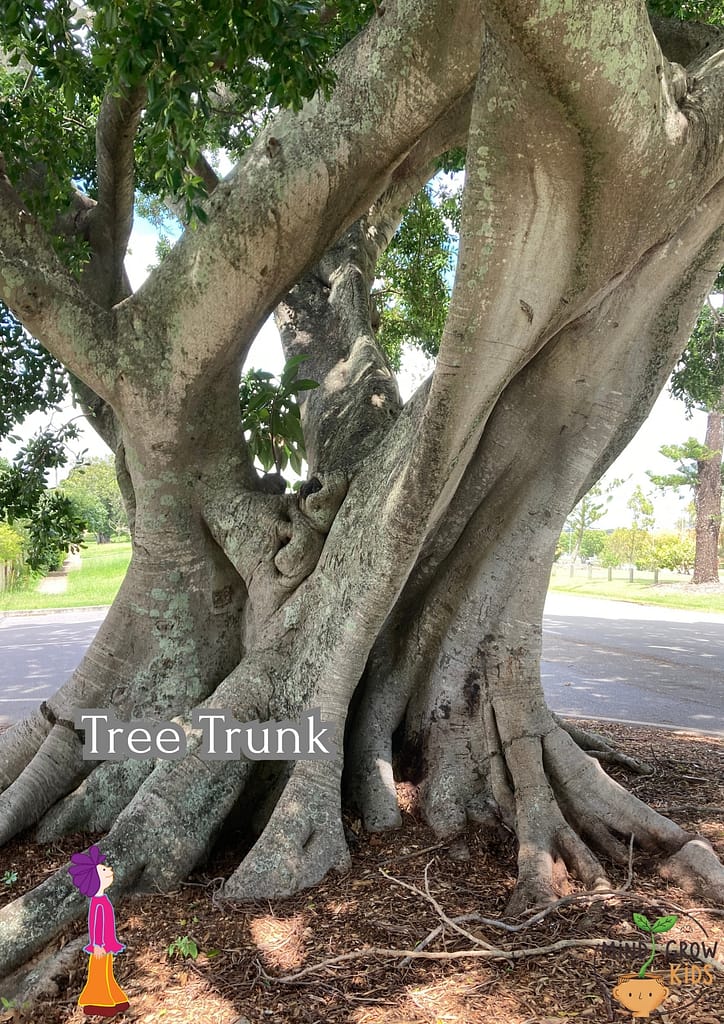
Tree Trunk:
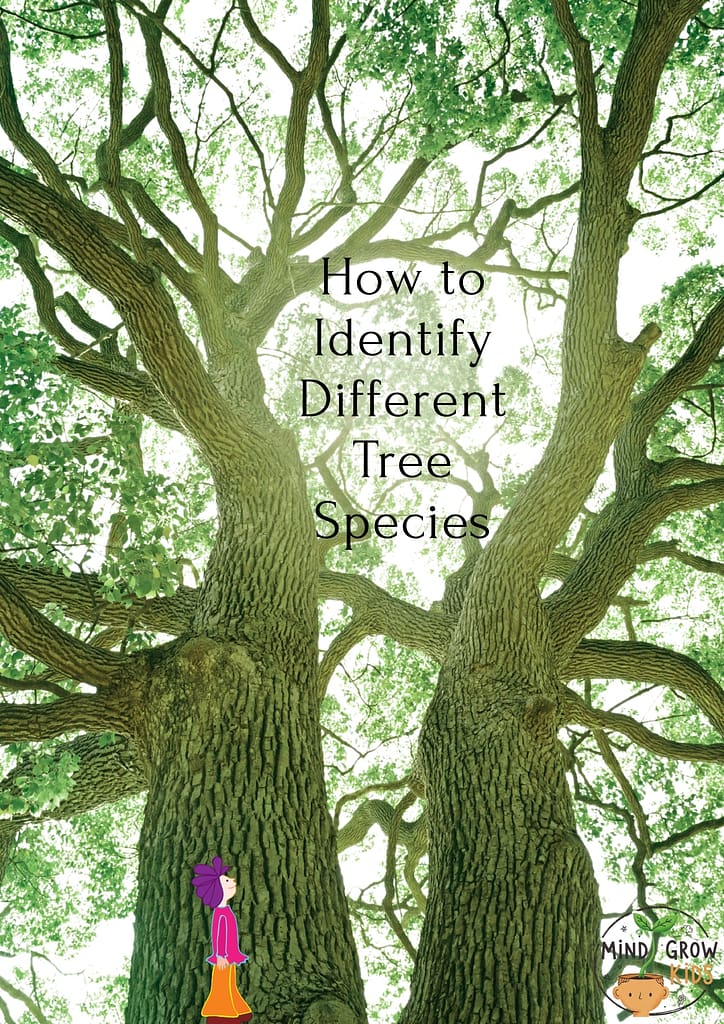
The color and texture of each tree’s trunk are unique: some are dark brown, some are whitish; some are reddish, some have thick bark, some have cracks, and some are smooth.
Trees are energy emitters. Specifically, they radiate subtle energy from the afterlife into this world.
Flowers:
Trees can also be identified by the characteristics of their flowers, especially if they have them. This is because the size, color, shape, and scent of each tree’s flower are different. However, some trees do not bloom every year. Some do not have flowers.
Seeds and Fruits:
All trees have seeds. They are all different from each other. The characteristics of their seeds and fruits also help distinguish trees from one another.
Winter Buds
Many broadleaf trees shed their leaves in winter, but we can also identify them by looking for their “winter buds.” These bear the shoots of flowers or leaves that will bloom next year. Just like leaves, tree buds are also different from each other.