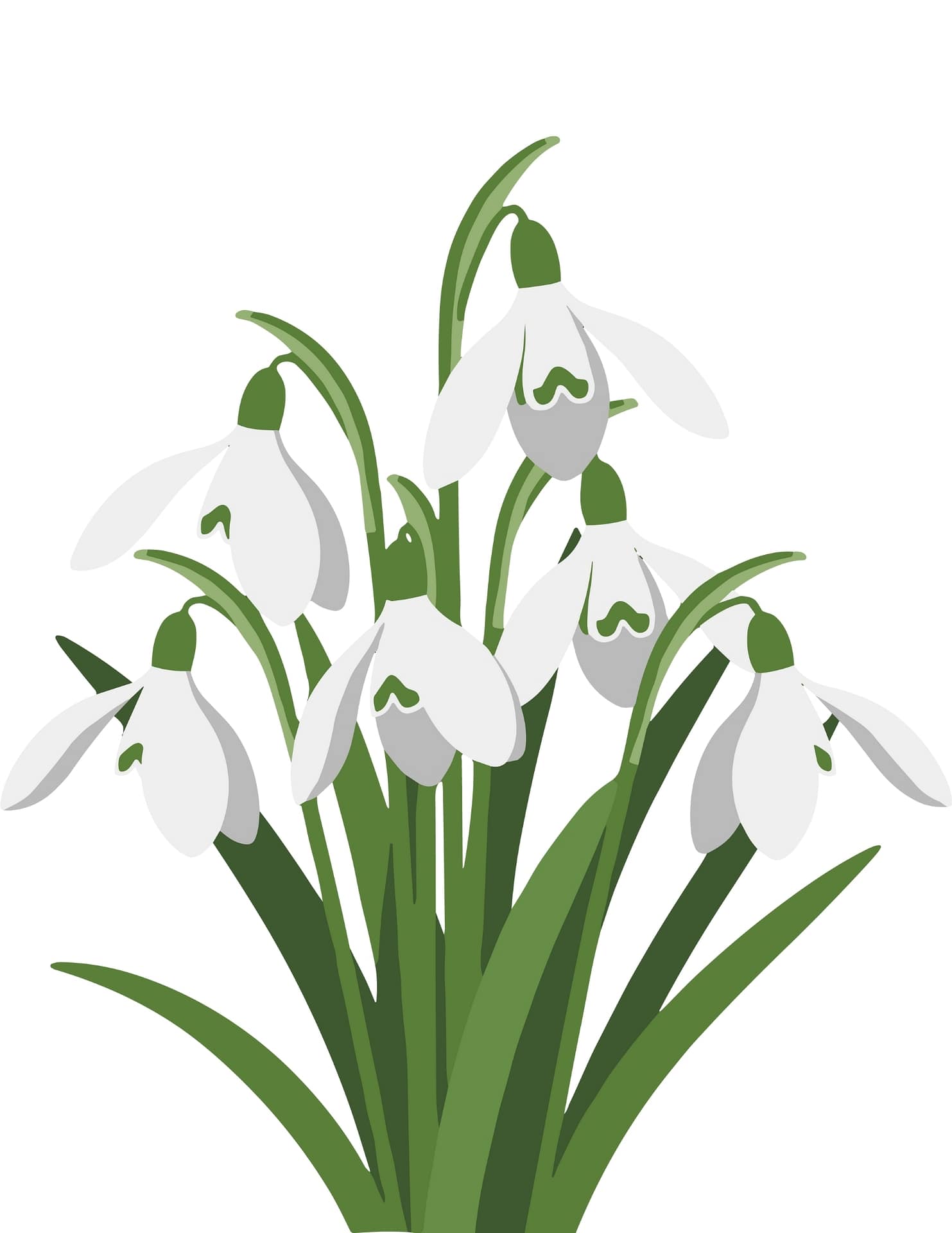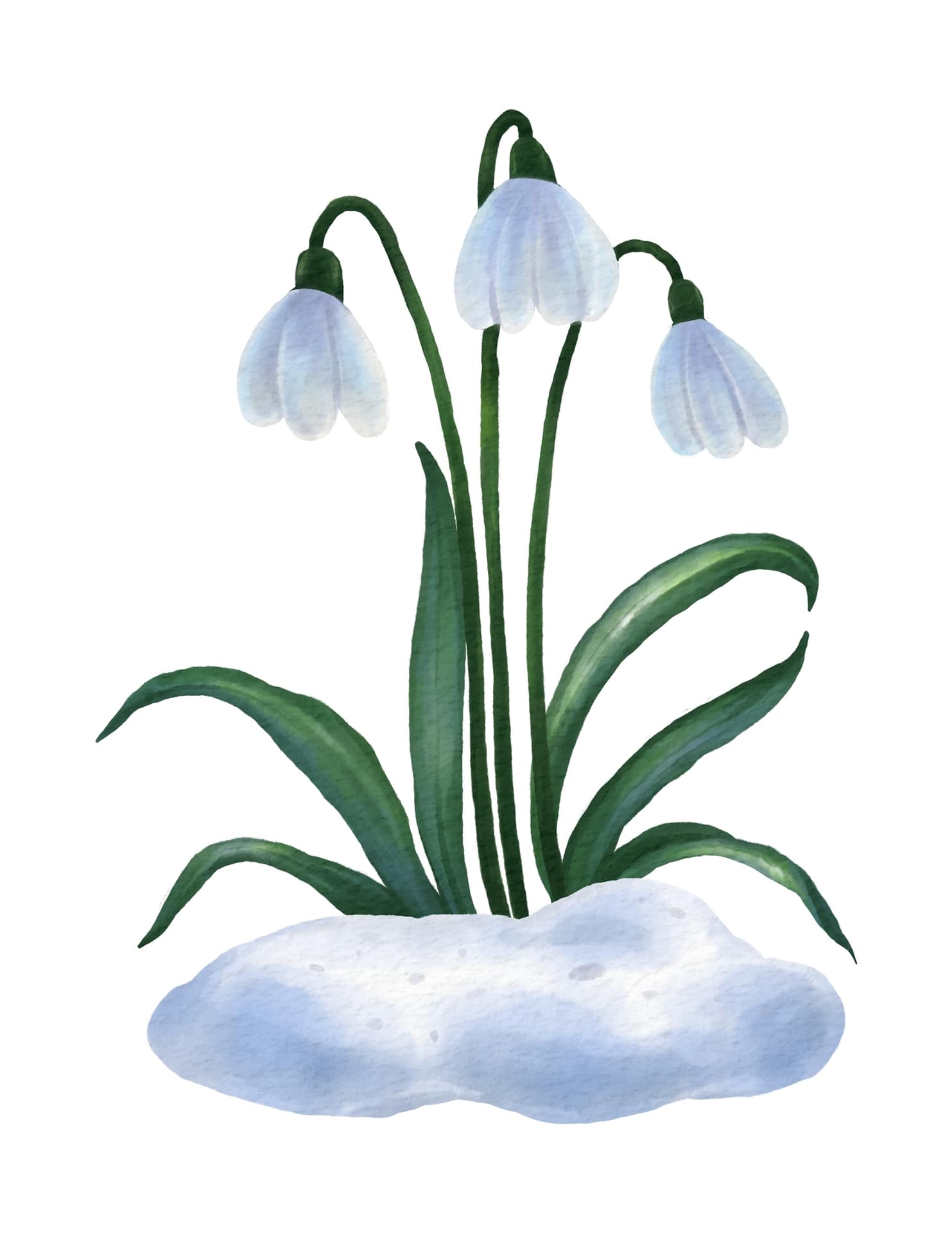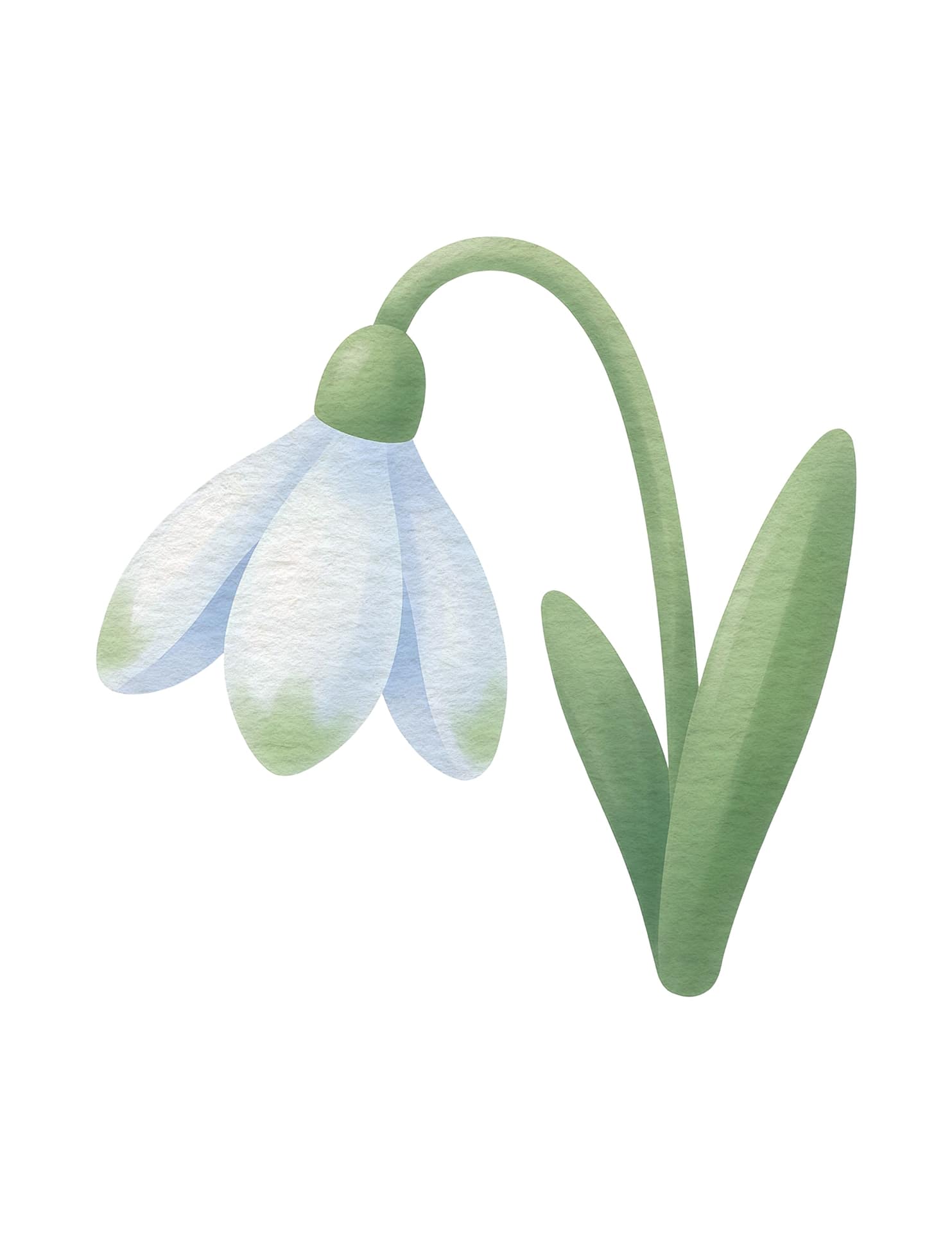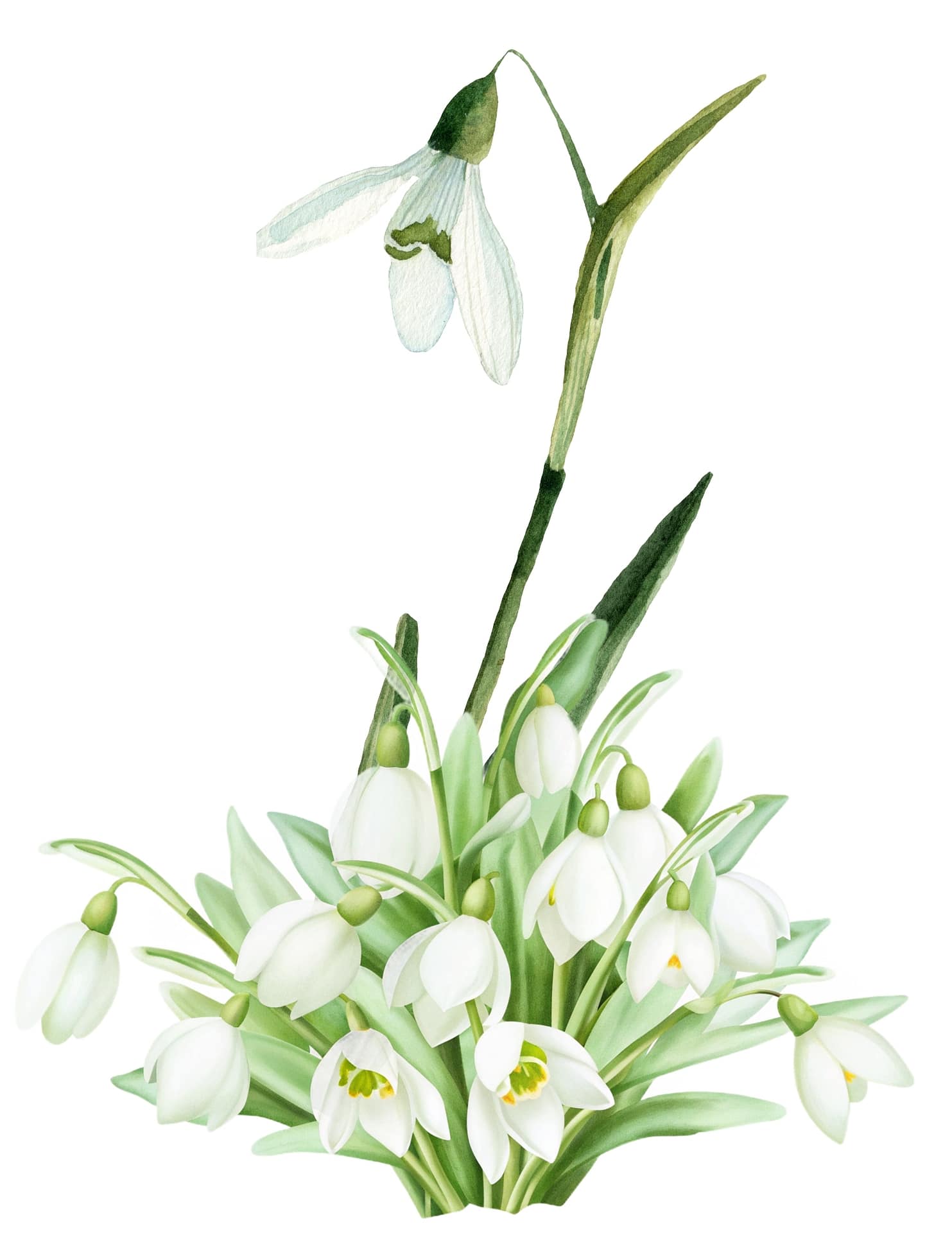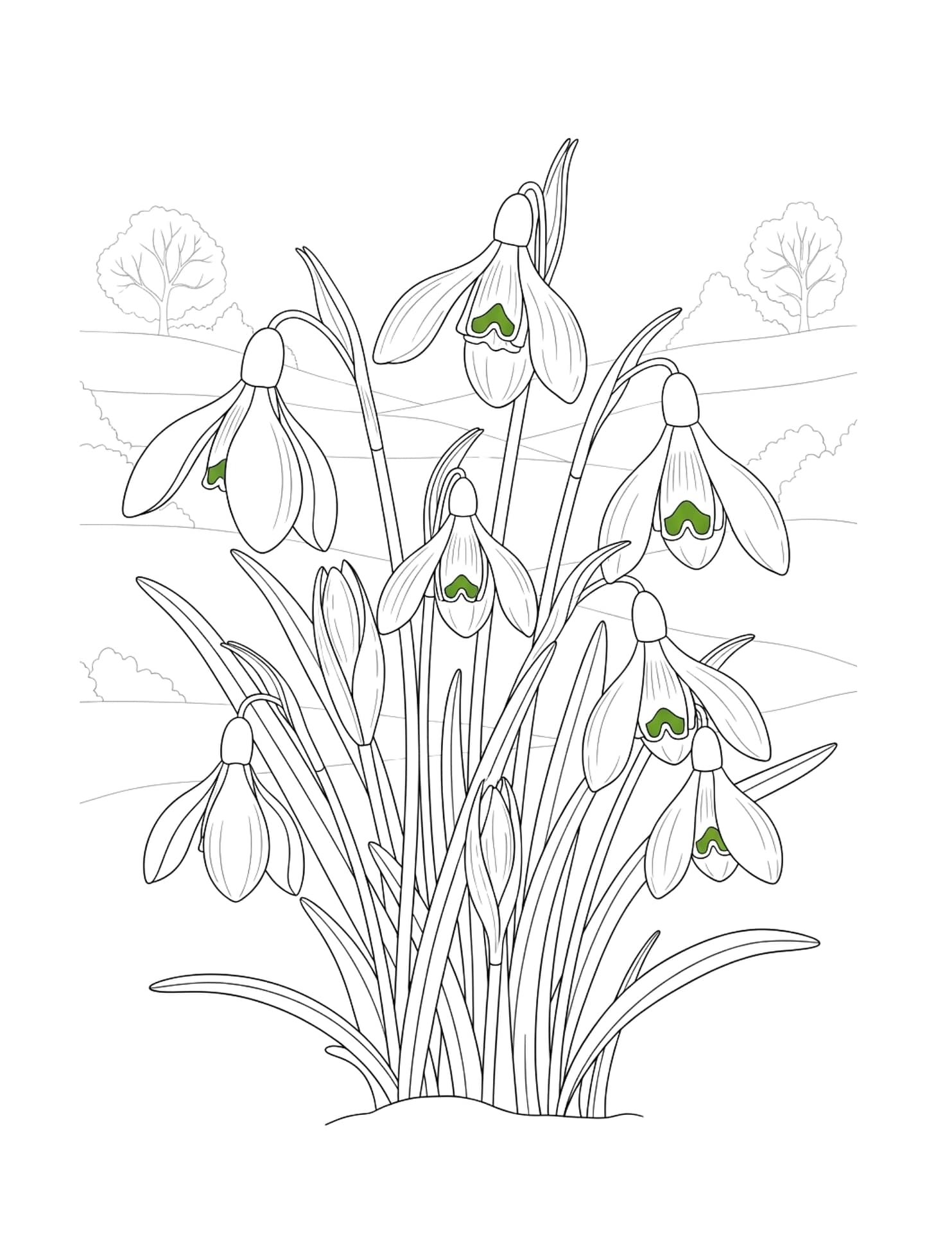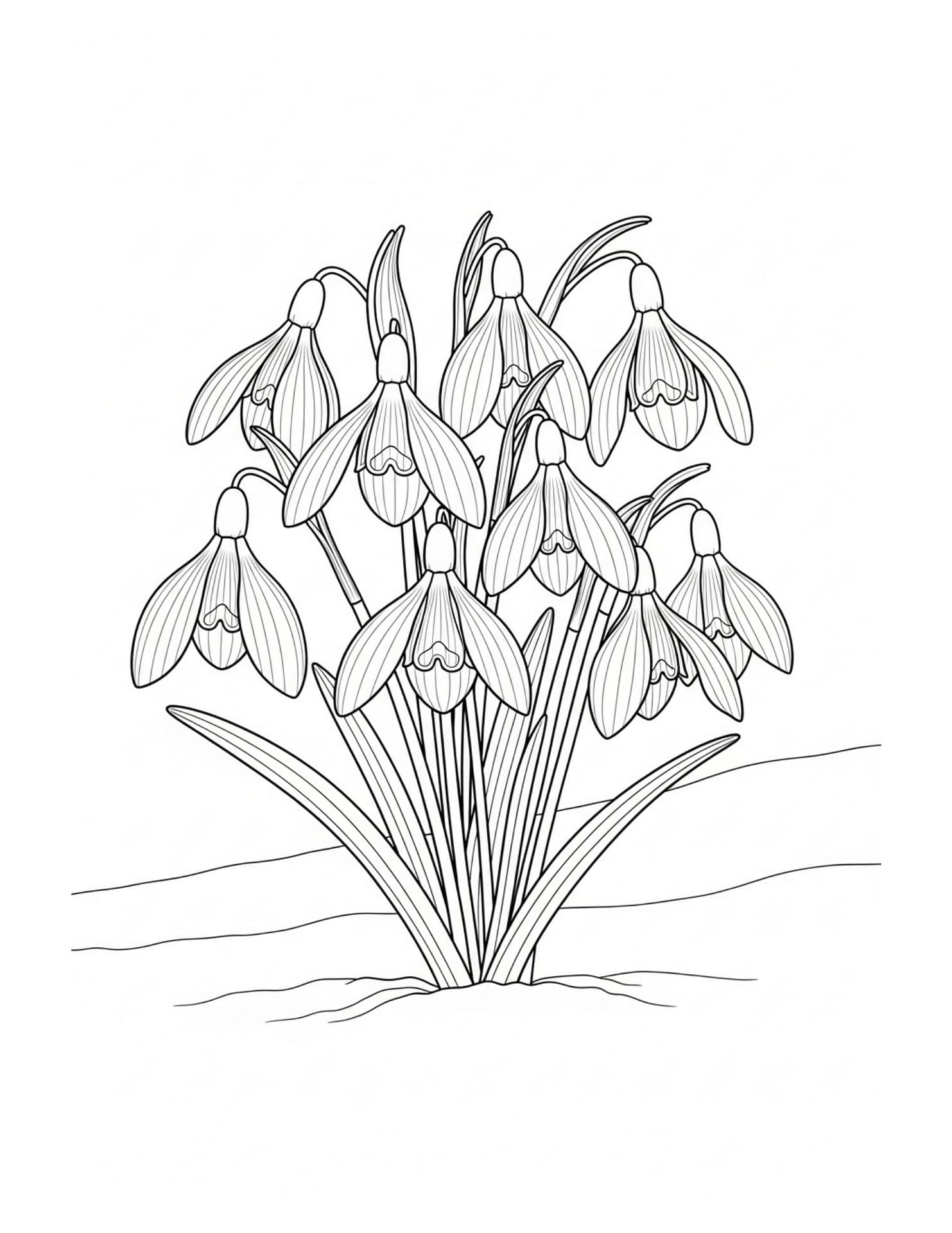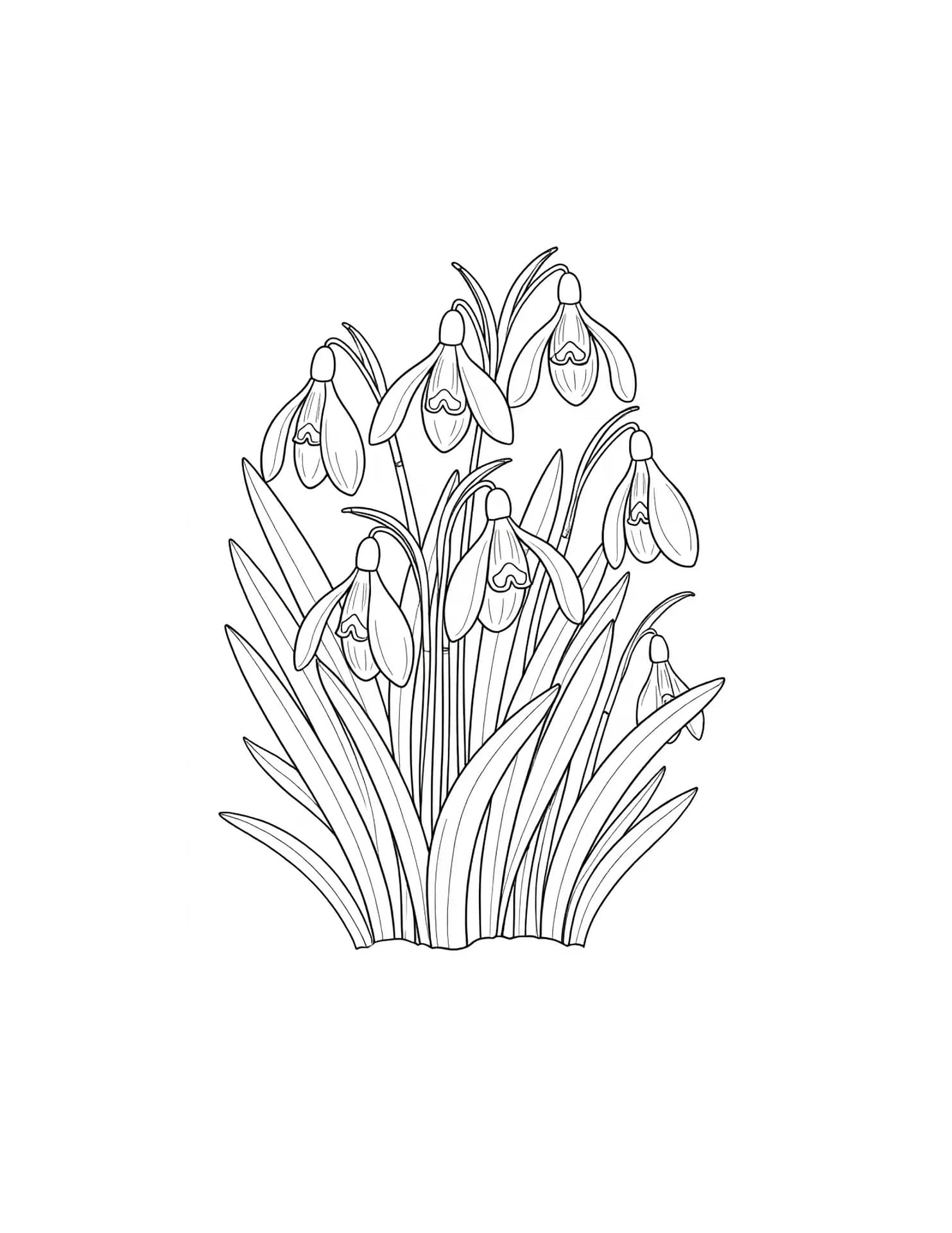
The blooming of snowdrops is one of the signs that spring is approaching, and it’s very good news. Those who see the first snowdrops immediately inform those who haven’t. So we’re informing you too. It’s time for the snowdrops to bloom! Snowdrops are fragrant plants with beautiful flowers that emerge from the pristine white snow. They get their name from this way of rising above the snow. They are known by many names around the world. Snowdrops are bulbous plants related to daffodils.
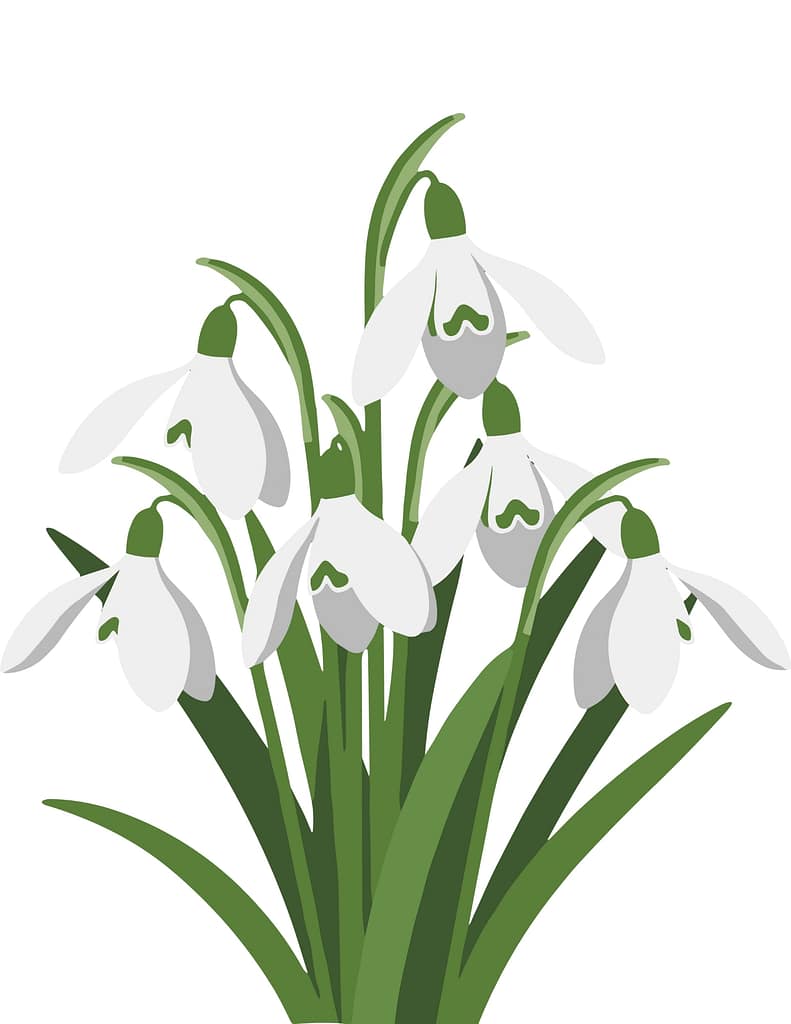
Snowdrop flowers have lower petals, three of which are longer than the others. There are green spots at the base, tip, or both of the petals. Their upright, cup-shaped flowers attract bees with their beautiful scent. Snowdrop pollen sticks to the backs and legs of bees that enter the flowers to collect nectar. Bees carry this pollen from flower to flower, helping with pollination. Another helper of snowdrops is ants. However, they don’t help with pollination, but rather with the dispersal of seeds that emerge from the fruits. The seeds have a tasty part that ants love to eat. The ants carry these seeds to their nests. After eating the tasty part, they discard the seeds from the nest. These discarded seeds then develop into new plants within 3-4 years.
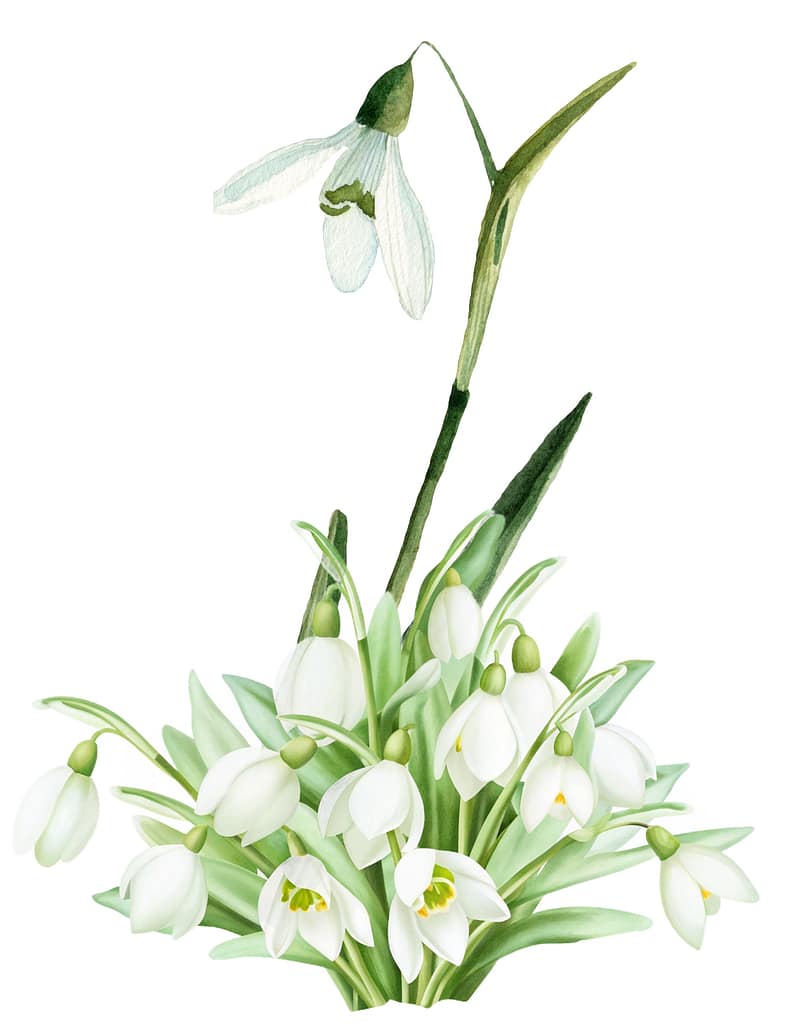
Snowdrops can be found in forests and mountains. There are 22 different types of snowdrops in the world. Like many bulbous plants, snowdrops are endangered because their habitats are rapidly degrading and millions of snowdrops are being harvested from the wild. This is leading to their depletion. Some snowdrop species are also cultivated in special farms. Snowdrops produced in these farms are exported to some European countries such as England and the Netherlands.
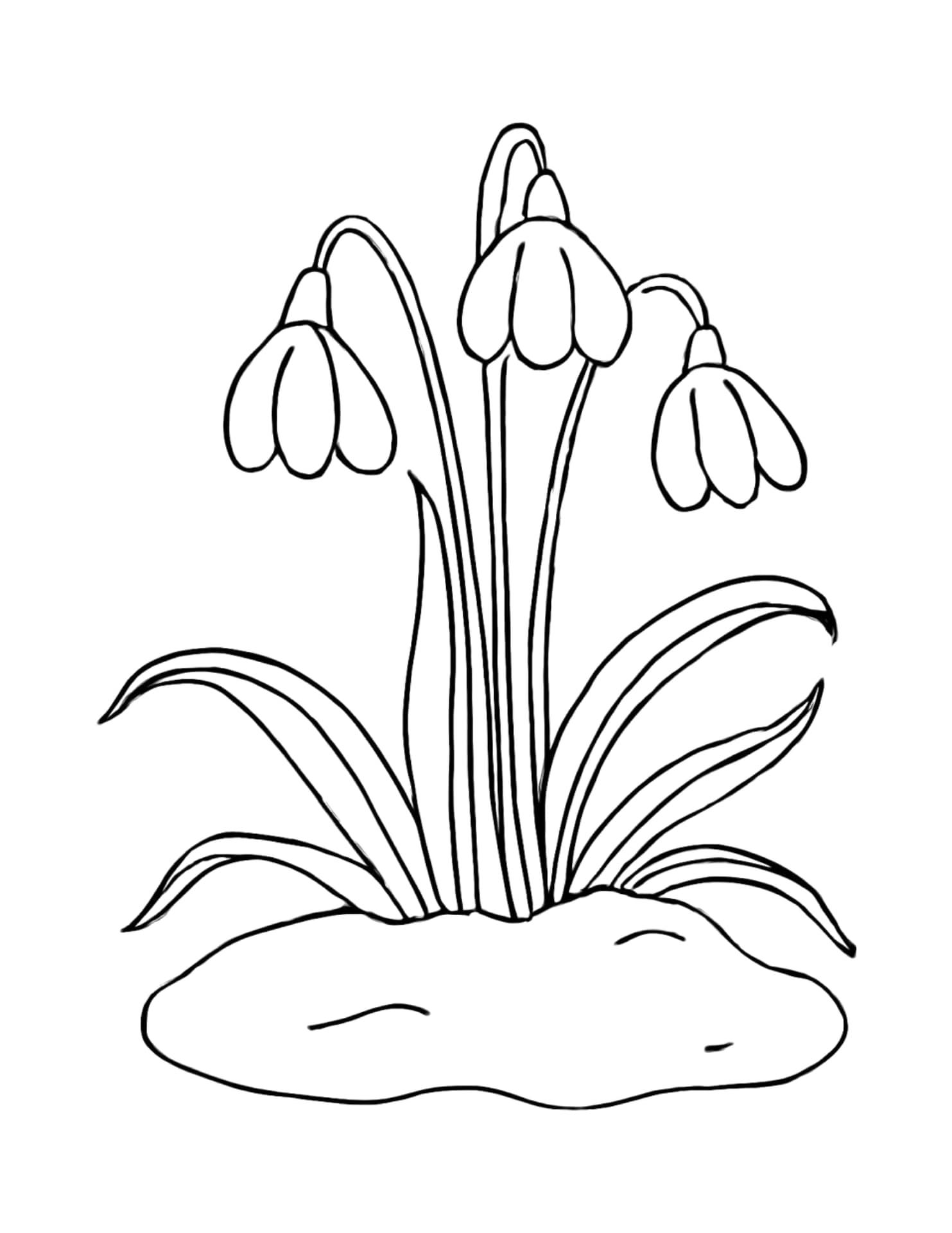
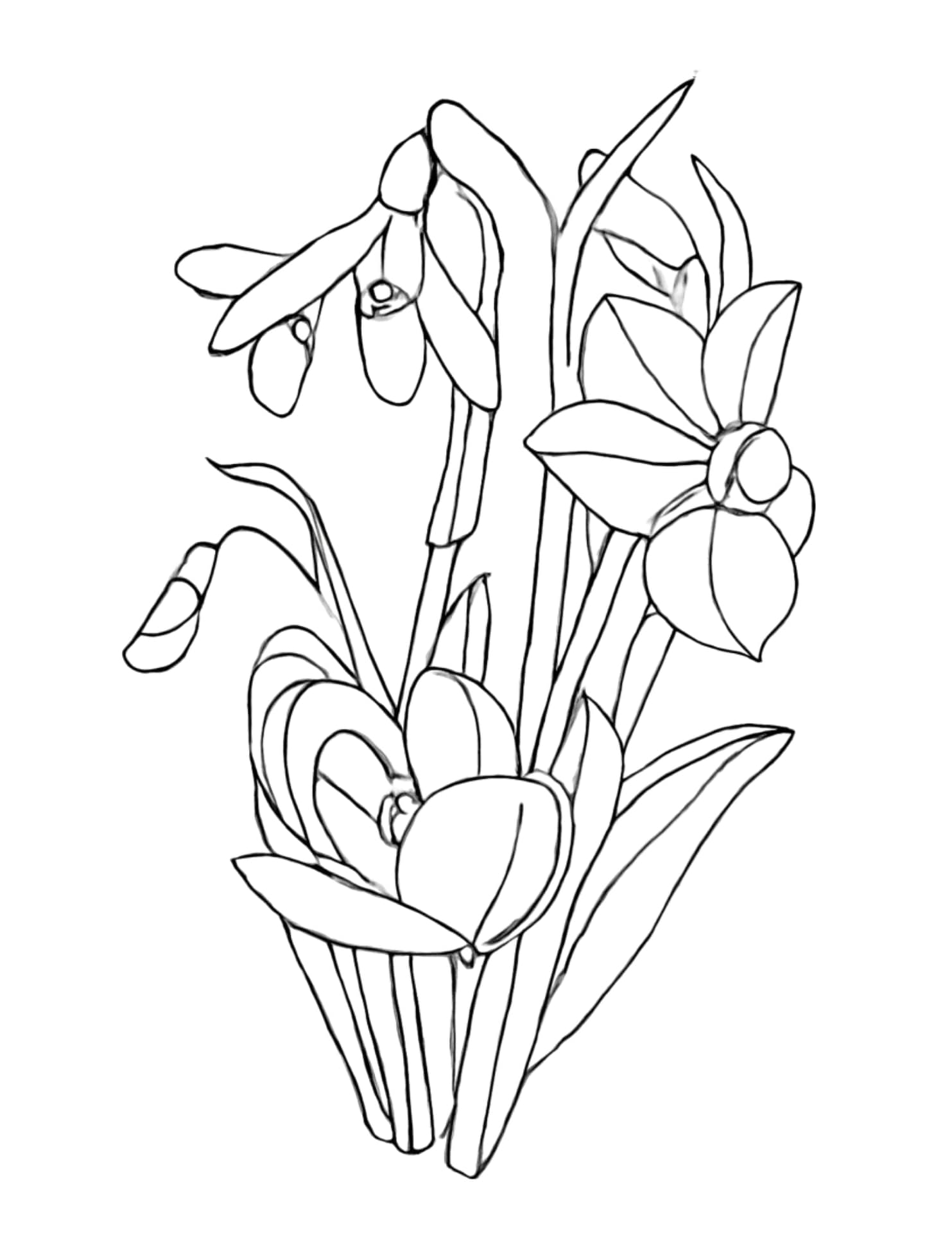
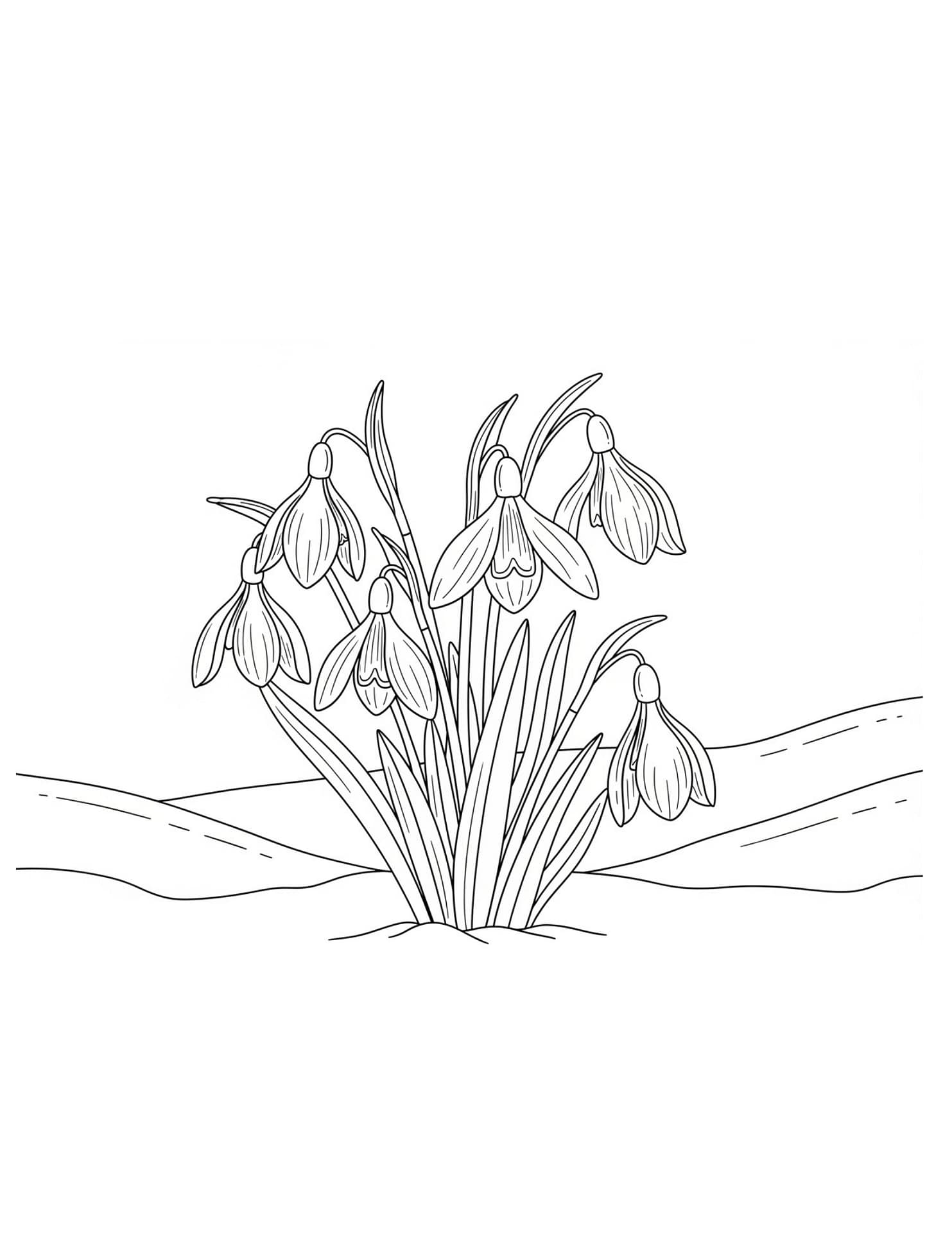
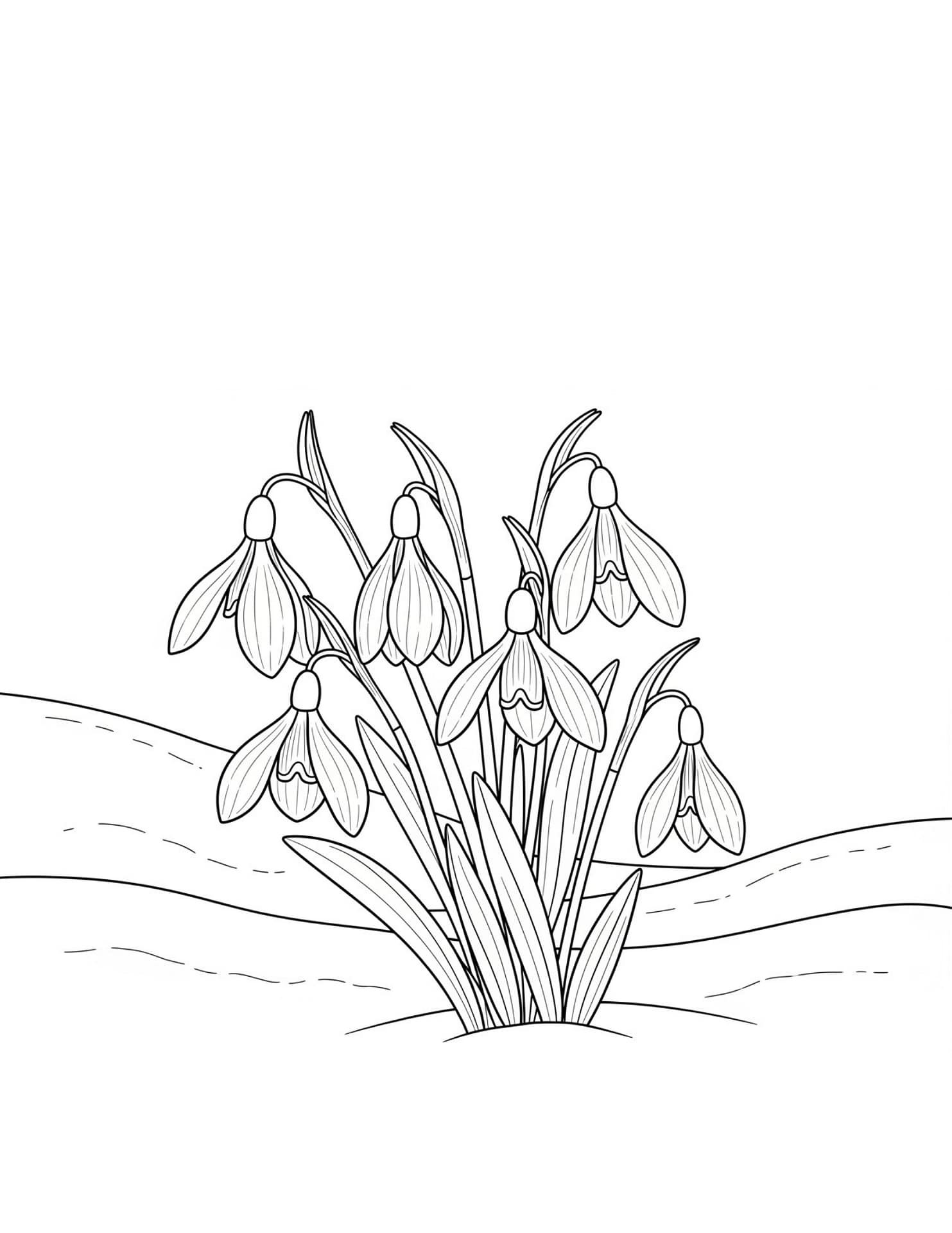
Download Snowdrops Coloring Book