
When it comes to child education, mothers are the first to come to mind. The general belief is that the stronger and healthier the relationship between the mother and the child, the stronger the child’s personality will be. This view is correct; especially in the first 4-6 years of life, the secure, loving, and unconditional bond established with the mother plays a vital role in shaping the child’s emotional foundation and personality.
But is it only the child’s “personality” that develops? No. There is also “character” development, which is another dimension that is often overlooked but is just as important as personality. This is where the father’s role comes into play.
Personality Development: The Mother’s Emotional Legacy
Personality is an individual’s emotional structure. It is the healthy relationship a person has with themselves and their emotions. A child’s feeling of being “lovable” and “valuable” is directly linked to their ability to feel their mother’s love, smile, and calm, secure gaze.
The free, carefree, and loving state of mind that the mother displays while meeting the child’s needs (feeding, playing, putting to sleep) instills the message “I am valuable” into the child’s subconscious. The stronger this relationship is, the more balanced the child’s emotional world and the stronger their personality will be. Personality is, in a sense, the bright, calm, and peaceful expression reflected on a person’s face.
The mother’s ability to maintain this healthy emotional stance depends on her relationship with the adults around her, especially her spouse. A sad, anxious, or hurt mother cannot look at her child with a free spirit. Therefore, the support and peace a father gives his spouse is indirectly one of the greatest contributions to the child’s personality development.
Character Development: The Structural Contribution of the Father
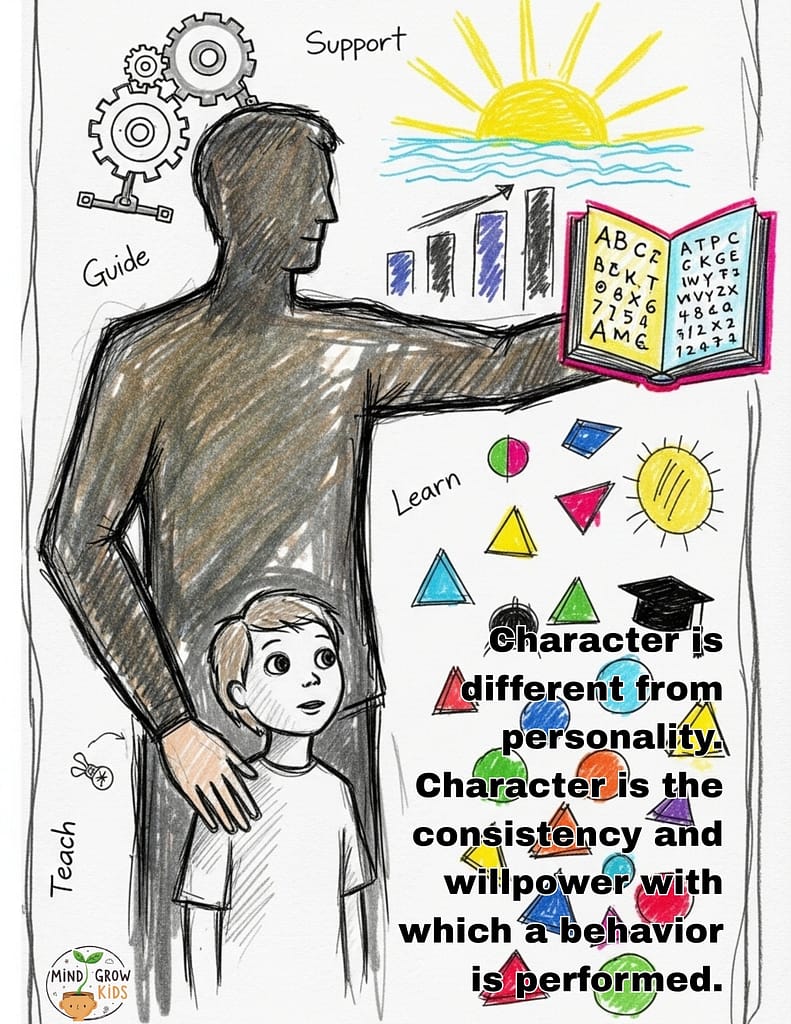
Character is different from personality. Character is the consistency and willpower with which a behavior is performed. Characteristics such as the child doing their homework regularly, going to bed and getting up on time, consistently pursuing a sport or hobby, and using their belongings in an orderly manner form their character.
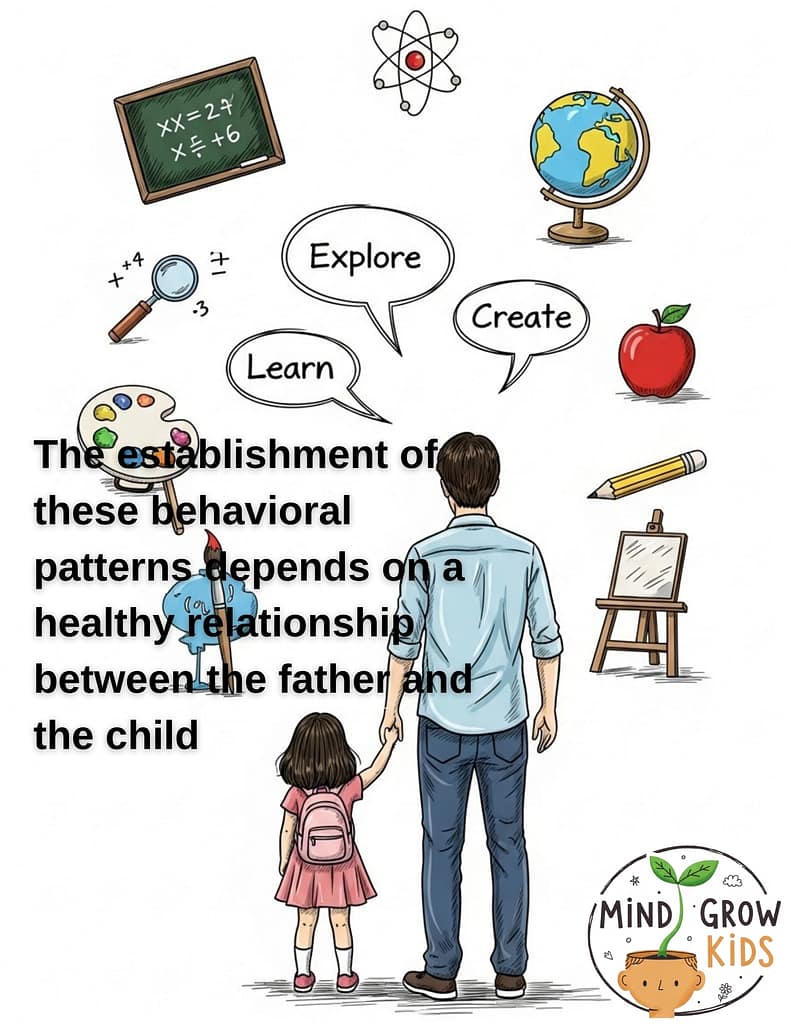
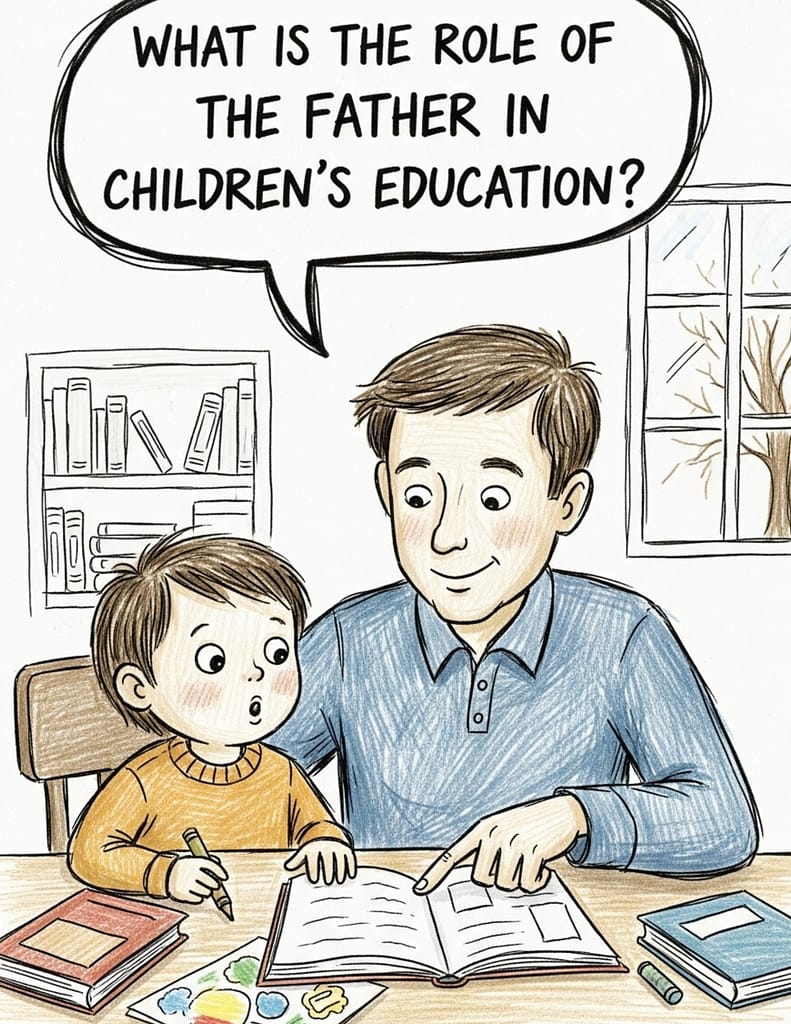
The establishment of these behavioral patterns depends on a healthy relationship between the father and the child. Although these rules are often defined by the mother in many families, the father’s role is unique in helping the child internalize them and turn them into character traits.
The father represents “power” in the child’s world. With his composure, determination, regularity, and consistency in the face of events, the father is a living model for the child. By observing his father’s determination in doing a job, his ability to remain calm in traffic, or his strong stance in solving a problem, the child develops “emotional stability.” This inner strength manifests itself in the child’s behavior as order and stability (i.e., character).
The underlying source of how “characterful” a child is often lies in this modeling relationship with his father. No matter how well-intentioned and loving the mother is in explaining the rules, the internal discipline that enables the child to behave voluntarily, consistently, and willingly is reinforced by the father figure.
Conclusion: Parenting as a Whole
In summary, raising a healthy child is a parenting orchestration:
- 0-4/6 Years (Personality Building): The mother lays the emotional foundation for the child, making them feel valued and secure. During this period, the father plays an indirect but critical role by supporting the mother.
- After Age 4/6 (Character Building): The father, as a role model and through the healthy bond he establishes, instills discipline, order, stability, and inner strength in the child. He shapes the child’s behavioral patterns and moral structure within society.
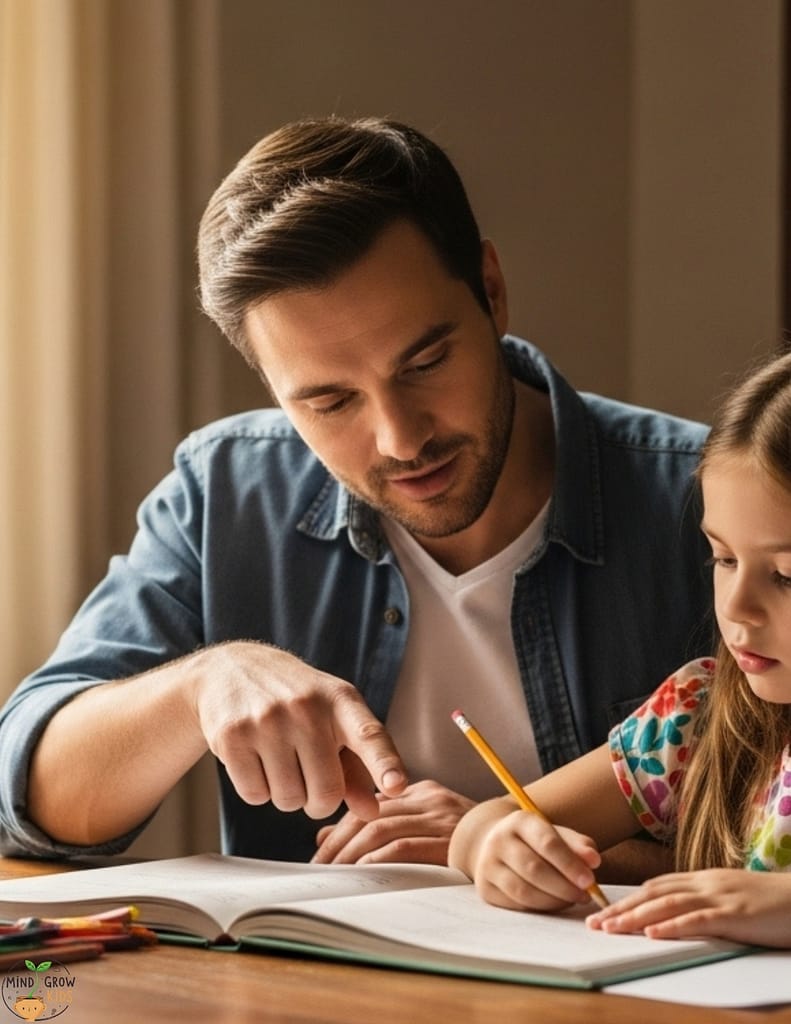
It is a big mistake to place the burden of a child’s education solely on the mother’s shoulders. For a child to become an emotionally stable (well-rounded) and behaviorally honest, hardworking, and determined (characterful) individual, they need both the mother’s loving touch and the father’s strong and stable presence.
Quote: SCHOOL OF PEDAGOGY – Pedagogue Adem Günes