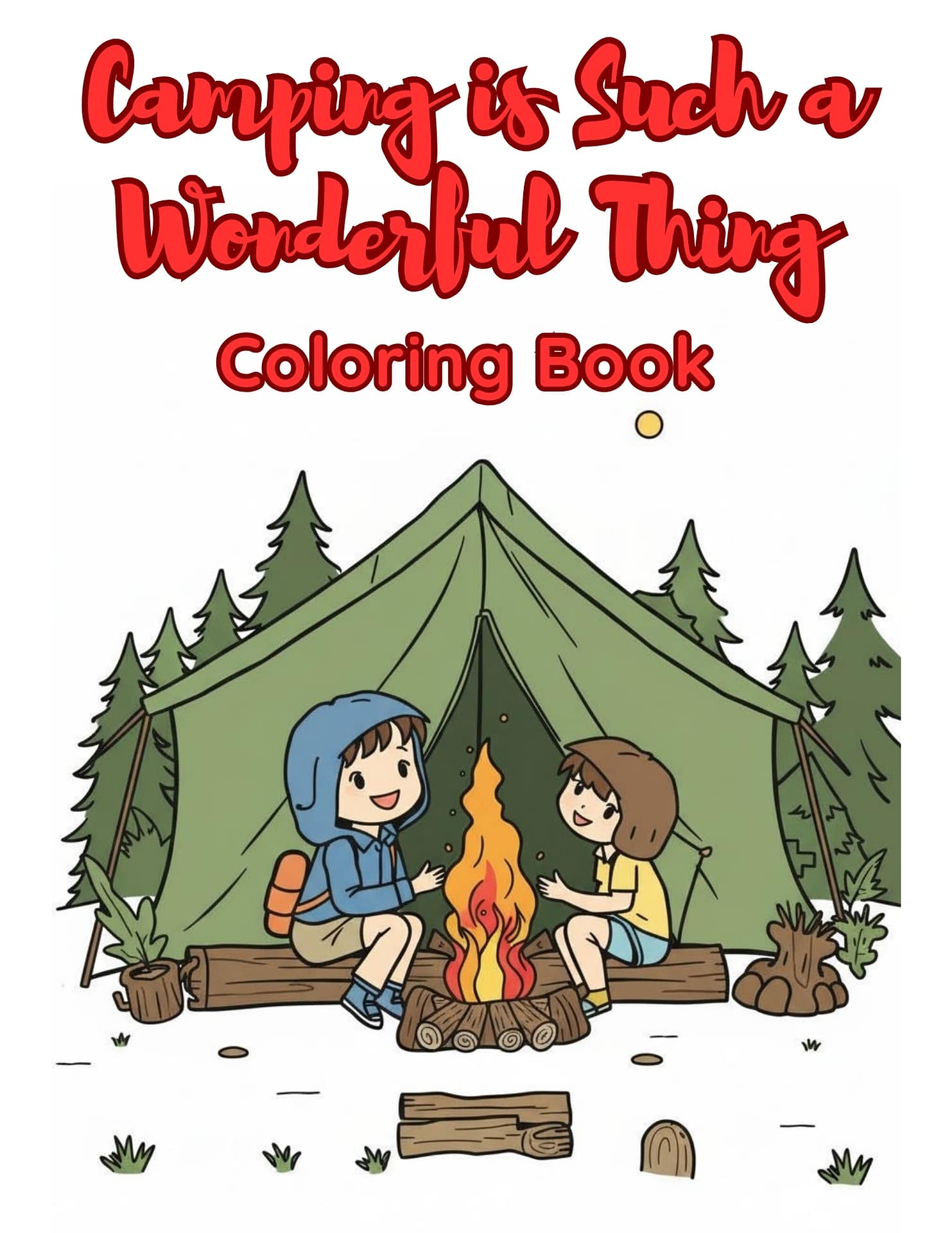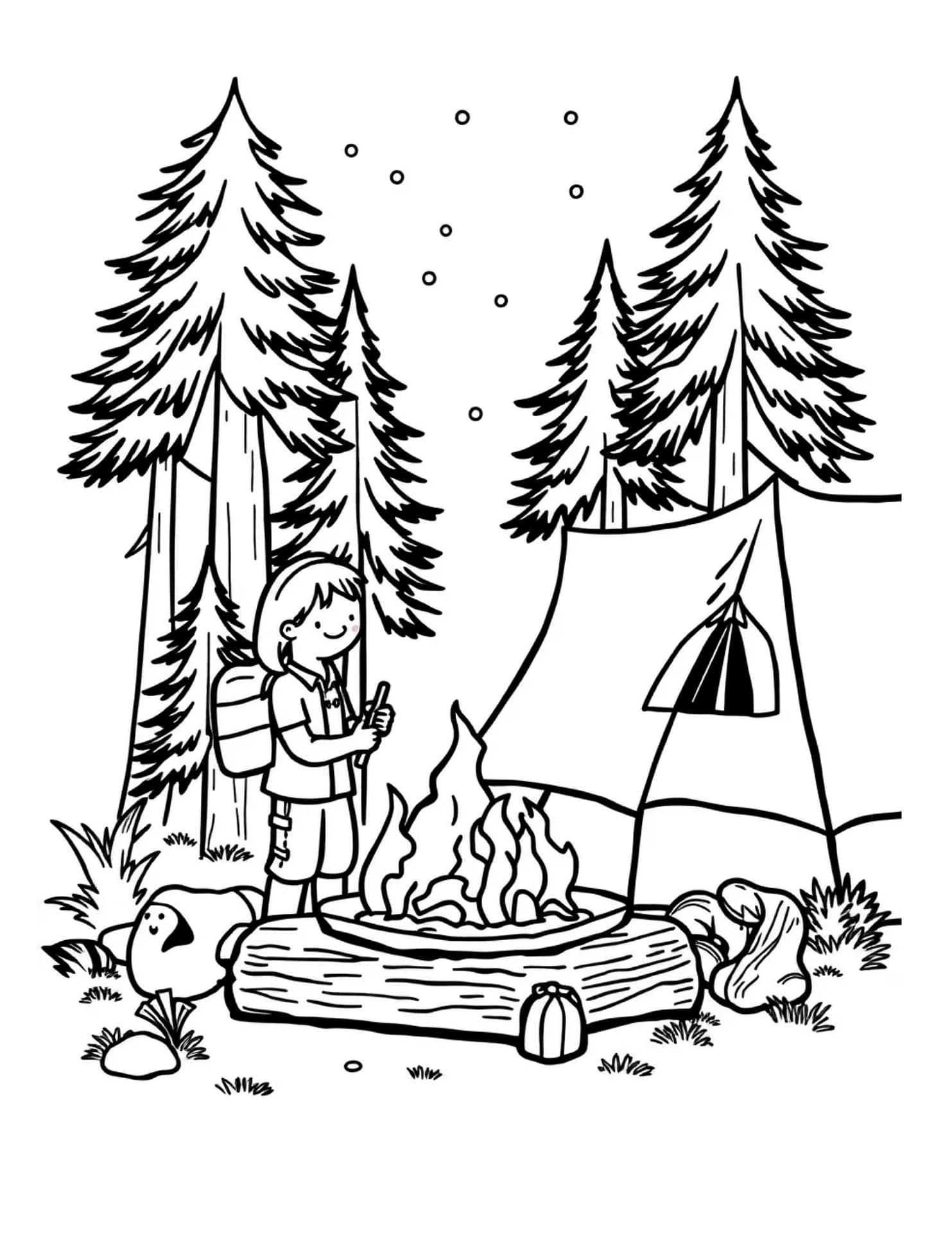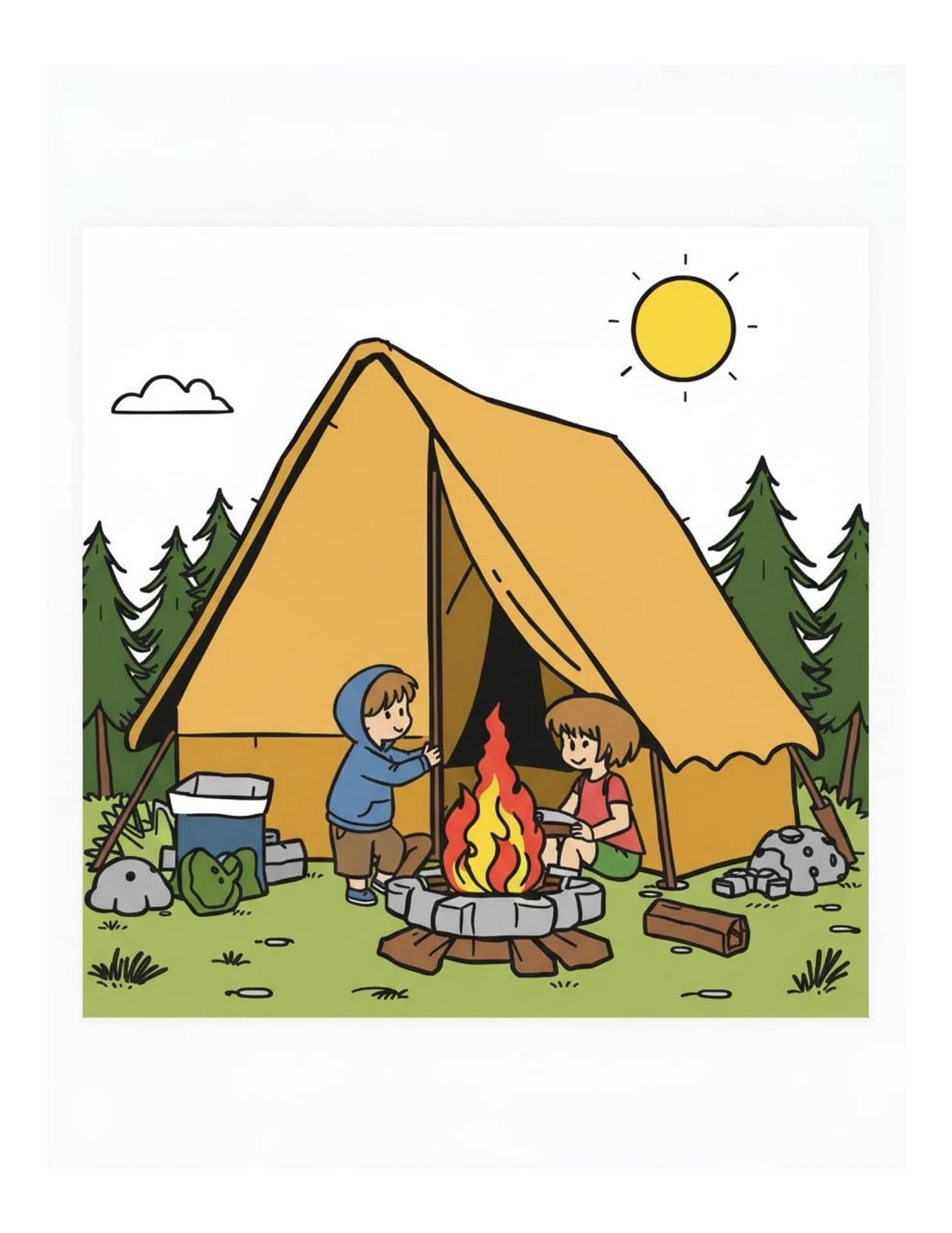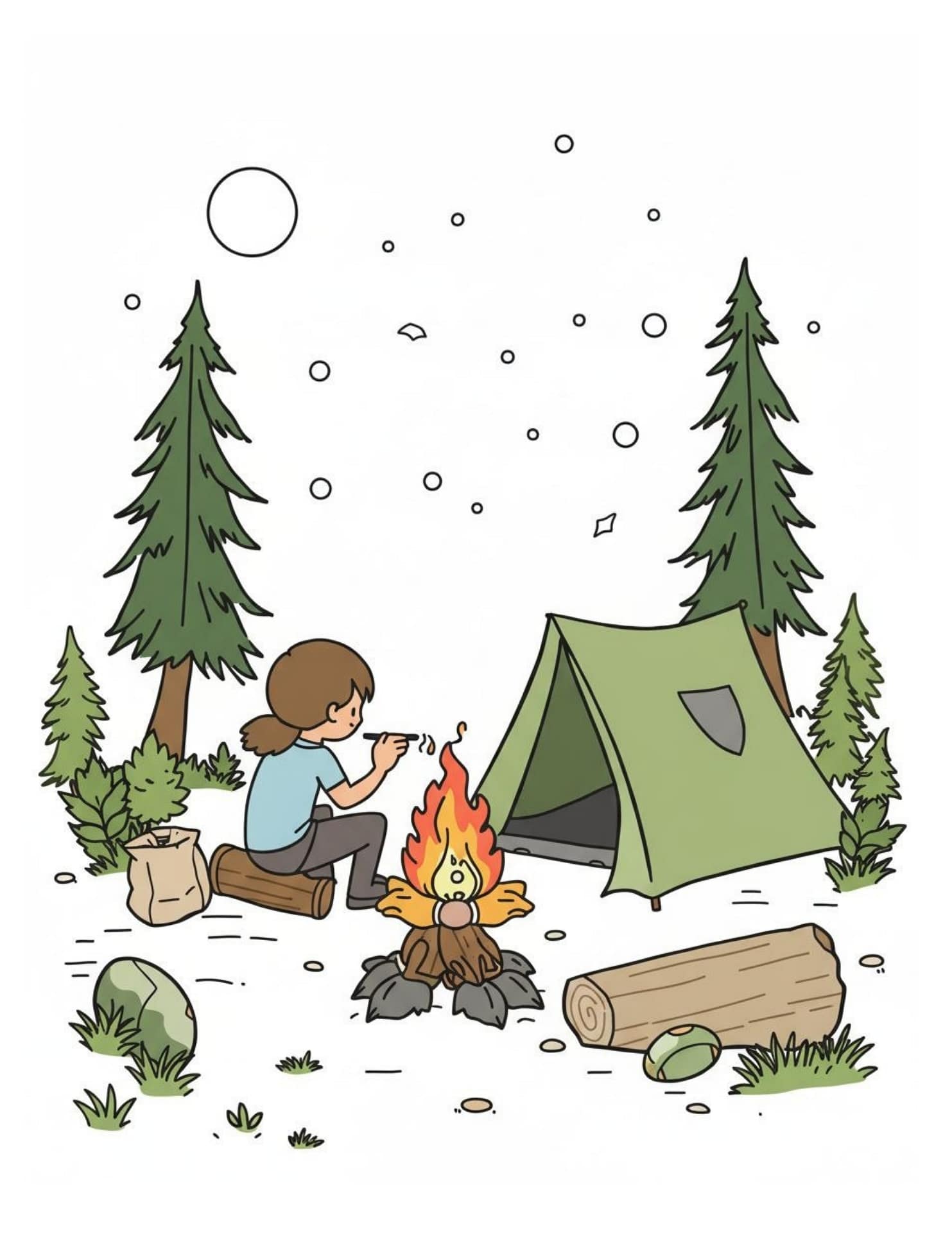
There’s nothing like a strenuous nature walk on a fun trail on a beautiful day. And if you’re going to spend the night outdoors, you’re really lucky. However, to fully enjoy this beautiful, fun, and relaxing activity, there are things to do, rules to follow, and details to pay attention to. Camping is as much a serious undertaking as it is fun, and it requires good planning.
First and foremost, it’s crucial to ask ourselves why we want to camp. This allows us to define our expectations, choose a suitable campsite, and decide on the duration of our trip. If camping is merely a necessity to spend the night after a long and tiring hike, it’s advisable to pack as little as possible. Since our goal is simply to spend the night, the view from the chosen campsite isn’t particularly important. However, it’s crucial to choose a comfortable and safe campsite. Therefore, suitable camping spots are identified and tents are set up before dark. Above all, the place where we will be staying overnight must be safe. For example, riverbeds and unstable rocky areas are completely unsuitable for camping due to the risk of flooding and falling rocks. Also, areas under trees should be avoided due to the risk of lightning strikes, heavy rain, and the possibility of animals using them as shelters. A safe area is one where camping is not recommended. There’s nothing like a strenuous nature walk on a fun trail on a beautiful day. If you’re going to spend the night outdoors, you’re really lucky. However, to fully enjoy this beautiful, fun, and relaxing activity, there are things to do, rules to follow, and details to pay attention to.
Camping, while fun, is a serious undertaking that requires careful planning. Proximity to water sources becomes crucial. This could be a village fountain or simply a stream with clean, potable water. If the goal is not just to spend the night, but specifically to camp and live there, then choosing a campsite requires more care. Besides safety and proximity to drinking water, the scenery and proximity to desired peaks or other destinations via hikes are important. Furthermore, whether the terrain is rugged or rocky is also very important for campers. If the area is very uneven and rocky, a ground leveling and cleaning process is carried out before the tents are set up.
To do this, stones are removed from the area where the tent will be located without significantly altering the natural structure of the region, and large holes are filled with soil. Although every effort is made to set up the tent on the most level ground possible, sometimes you may have to set it up on a sloping area If you are lying down in your tent, it’s a good idea to keep your head elevated. Also, if there is a road for vehicles or pedestrians nearby, the tent area should not be too close to the road.
Going Camping:
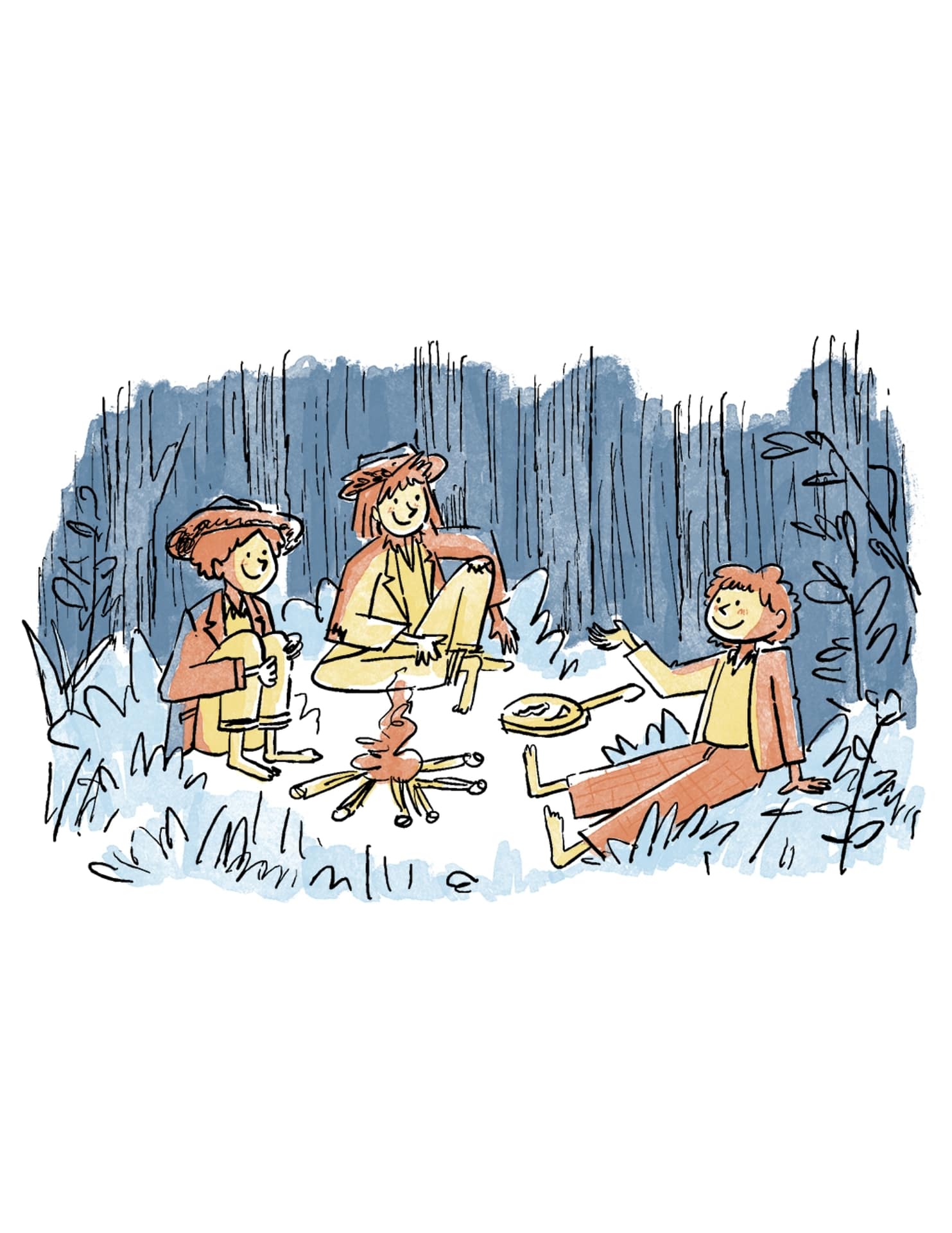
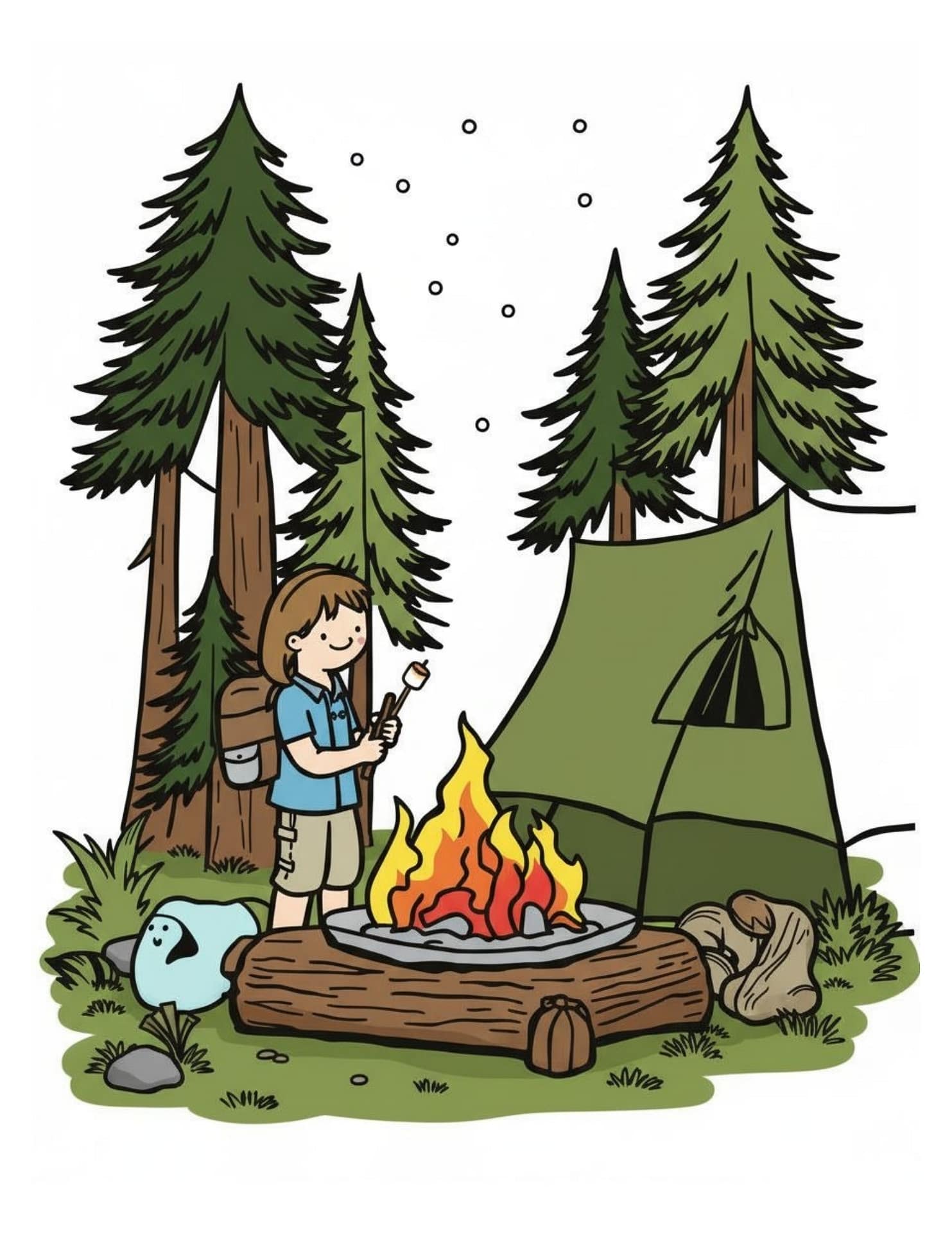
The preparations we make in the city are just as important as setting off on the journey. First of all, we need to plan well what we need to take with us for a nice and enjoyable camping trip. For this, the duration of our camping trip, the area where we will camp, and of course the weather conditions are very important. The amount of food and drink and the types of clothing we will take may vary depending on the duration of our camping trip. It is useful to think separately for the three meals of the day. For example, we need to take some food for breakfast, ready-made snacks such as sandwiches, baby biscuits and nuts for lunch if we are hiking, and for dinner we need to choose foods that are both enjoyable to cook and eat. Of course, besides water, other drinks are also useful for hydration. Lighting a fire at campsites can be harmful to nature and, if not properly extinguished, can be very dangerous. Therefore, if you have to light a fire to cook or warm yourself, make sure it is completely out; if necessary, pour water on it to put it out. Campers often suffer from not bringing enough or suitable clothing. A camper should bring both thin, summery clothes and warm clothing to protect against the cold, taking into account that weather conditions can change at any moment you should get some protection. Rain protection is especially important for campers, as it’s unlikely to dry wet clothes before the sun comes out. Therefore, a raincoat, waterproof shoes, and a backpack are essential items for a camper. Ideally, the shoes should be ankle-supporting boots. This will prevent ankle sprains during hikes and keep water and snow out of your shoes. For sunburn, it’s absolutely necessary to wear a wide-brimmed hat. It’s also helpful to use sunscreen to protect your face and, if the sides and back of your hat aren’t wide-brimmed, those areas as well.
Besides these, we shouldn’t forget our tent, sleeping bag, mat to put under the sleeping bag, stove, flashlight, and many other supplies. If we are camping in the mountains, forest, or by a lake instead of by the sea, the temperature will be very low at night. It’s important to remember that a sleeping bag is not meant to give us extra warmth, but rather to help us maintain our body temperature. Therefore, if the sleeping bag is longer than you are, you can fold it down at the bottom where your feet end or tie it with a rope, or you can try stuffing it with extra clothes to avoid leaving any empty space that needs heating inside. After our camping trip, leaving the area as we found it is important so that those who camp there after us can enjoy it as much as we did. When leaving the campsite, collecting any trash and waste and disposing of it in a suitable waste disposal area is the best practice. Happy camping!
- Equipment List for Camping
- 2 Tents
- 2 Sleeping bags
- 2 Mats
- 2 Stoves
- 2 Fuel
- 2 Clothes
- 2 Food
- 2 Disinfectant
- 2 Backpacks
- 2 Flashlights
- 2 Spare clothes
- 2 Raincoats
- 2 Hats
- 2 Sunglasses
- 2 Sunscreen
- 2 Whistles (for use in case of getting lost)
- 2 Garbage bags
- 2 Toilet paper