

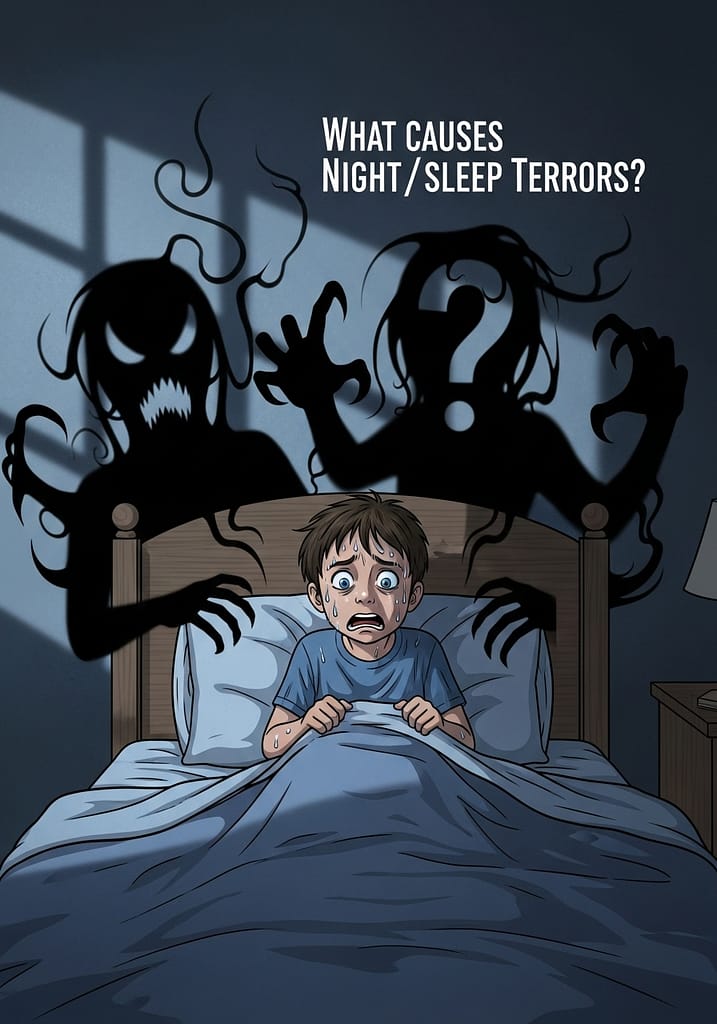
If your child wakes up crying or shouting from rest, it can be upsetting for both of you. When this happens a few evenings in a push, you normally begin to address the reasons: “Were they frightened?” “Did they have a bad dream?” or is there another basic cause? It’s significant to recognize between these situations. Children’s rest is altogether impacted by their day by day encounters, schedules, and occasions. If they experienced something terrifying that day—like a aggravating picture, a frightening cartoon, or a terrifying story from a friend—they might have a bad dream. They can wake up crying from a terrible dream. In any case, when you go to them, they recognize you. They will calm down when you hold them or consolation them. In the morning, they can more often than not tell you, “I was frightened, I cried, I had a awful dream.” But “night fear” or “rest dread” are different.
What is a Rest Terror?
Essentially, we are talking almost a sort of rest clutter. It happens amid the move between profound rest and attentiveness, particularly in the non-REM rest arrange, as a rule 1-2 hours after your child has fallen asleep.
How to Tell the Contrast Between a Bad dream and a Night Terror
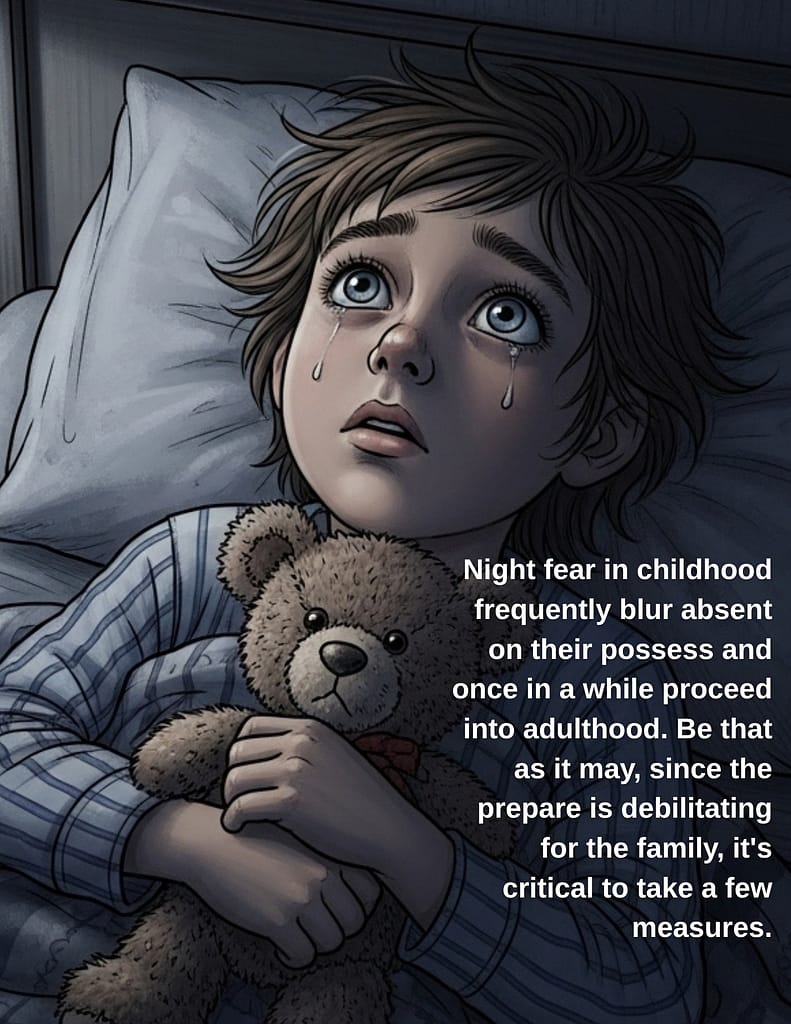
How can you recognize a night dread? Here are a few key recognizing signs:
Timing: The scene as a rule happens 1-2 hours after your child falls sleeping, frequently around the same time each night (e.g., continuously around 1:00 AM or 5:00 AM).
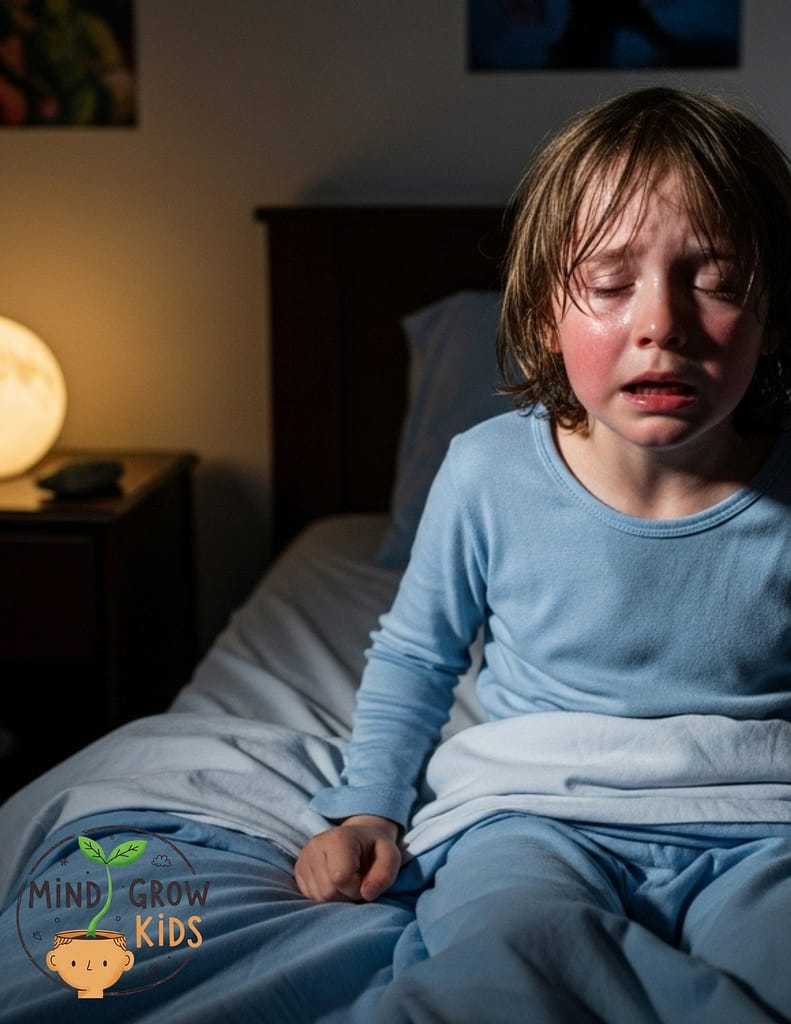
Physical Signs: You may discover your child shouting, crying, with expanded students, a quickly beating heart, quick breathing, and indeed sweating.
Unresponsive & Confounded: In spite of showing up scared, they are not really alert. If you attempt to consolation them with “Sweetie, I’m here,” they won’t see at you genuinely or react to you.
Behaviors: You might see behaviors like kicking, whipping, or indeed hitting if you attempt to mediate. Seldom, a child might sit up, walk, or bump into things.
No Memory: Not at all like a bad dream, the child will have no memory of the occasion the following morning and won’t be able to tell you what happened.
This need of responsiveness is what stresses guardians the most, regularly making them ponder, “Is this sleepwalking?”
What Causes Night Terrors?
Genetic Inclination: This is a essential calculate. If there is a family history of rest clutters (like sleepwalking or anxious leg disorder), the child is at a higher potential risk.
- Fever or Illness
- Side Impacts of Certain Medications
- After a Surgery or Operation
- Excessive Screen Time
Stress or Traumatic Involvement: An anxiety-inducing life occasion (such as a misfortune, moving, or separate) can trigger them.
How to Oversee Night Dread? What Can You Do?
Night fear in childhood frequently blur absent on their possess and once in a while proceed into adulthood. Be that as it may, since the prepare is debilitating for the family, it’s critical to take a few measures.
1. Keep a Rest Diary:
To get a clear picture, keep a log for 1-2 weeks. Note what time the scenes happen, how your child responds, and how long the scene endures. This is exceptionally valuable if you choose to counsel a specialist.
2. Make strides Rest Quality:
- Consistent Sleep time Schedule: Build up calm schedules to offer assistance your child wind down some time recently sleep.
- Ideal Rest Environment: Guarantee the room is well-ventilated, not as well hot, and feels secure (utilizing a little nightlight if necessary).
- Outdoor Time: Make beyond any doubt your child spends time outside amid the day. This altogether moves forward rest quality.
- Limit Screen Time: Over the top introduction to screens decreases rest quality and can trigger night dread. Attempt to diminish it gradually.
3. Planned Awakening:
Using your rest journal, distinguish the regular time your child has an scene. Almost 15-30 minutes some time recently that time, delicately and calmly wake them. Have them take a taste of water, provide them a brief snuggle, and let them drop back snoozing. This strategy can regularly anticipate the night fear from occurring.
When Ought to You Look for Proficient Help?
- You ought to consider proficient bolster if:
- There is a solid family history of rest disorders.
- The dread begun after a traumatic or upsetting event.
The scenes are exceptionally visit, seriously, or unsafe, and the domestic techniques specified over aren’t helping.
In these cases, your to begin with step ought to be to counsel your pediatrician. After fundamental check-ups, if no physiological cause is found, looking for offer assistance from a child mental wellbeing master would be the right course of action. In brief, begin by executing the straightforward domestic procedures to progress rest quality. If that’s not sufficient, do not waver to look for proficient direction.
Dr. Irmak Kerimoglu