

Psychotherapist Mehmet Ulubey
Attention is one of the most fundamental components of cognitive functions in psychological assessment processes. Measuring attention holds great importance both for diagnosis and for planning interventions. This article discusses the application stages, time differences according to age groups, and evaluation criteria of an objective test designed to measure an individual’s attention level, focusing ability, and sustained attention.
Test Structure and Content
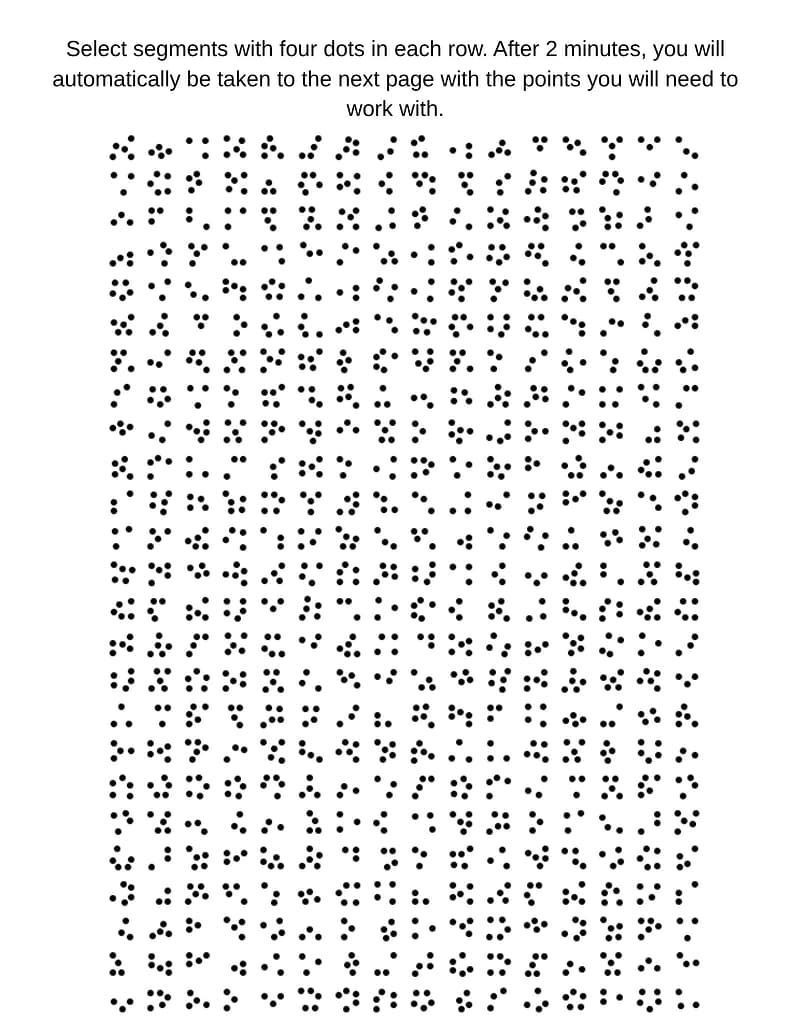
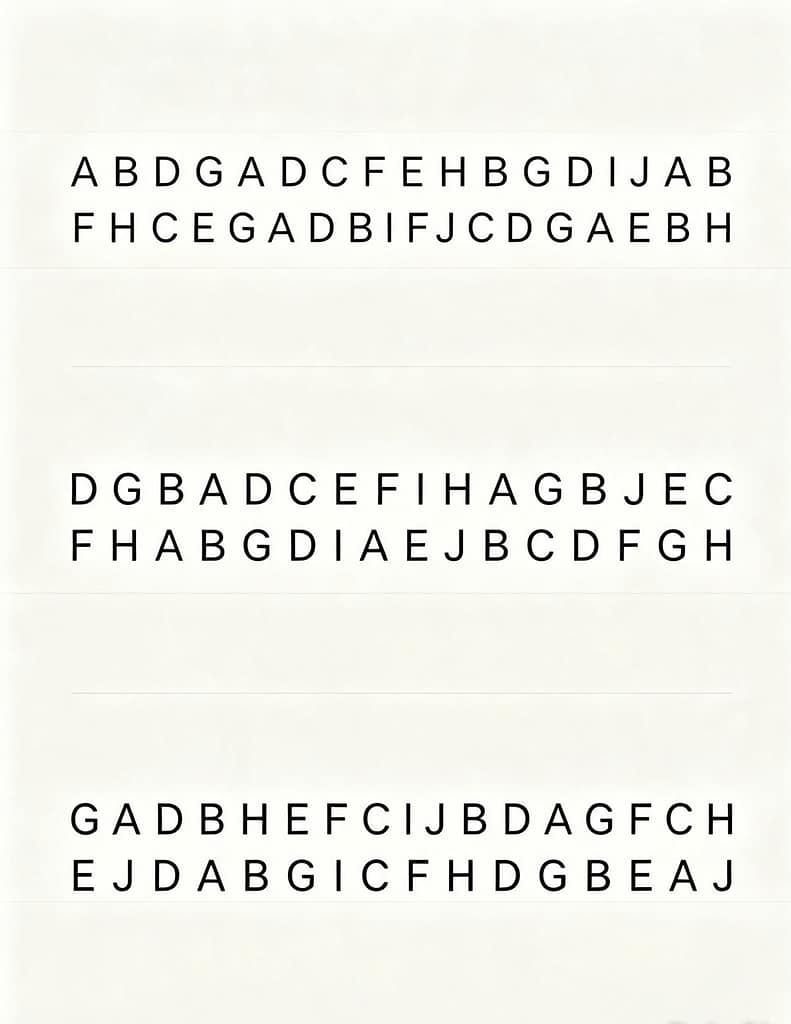
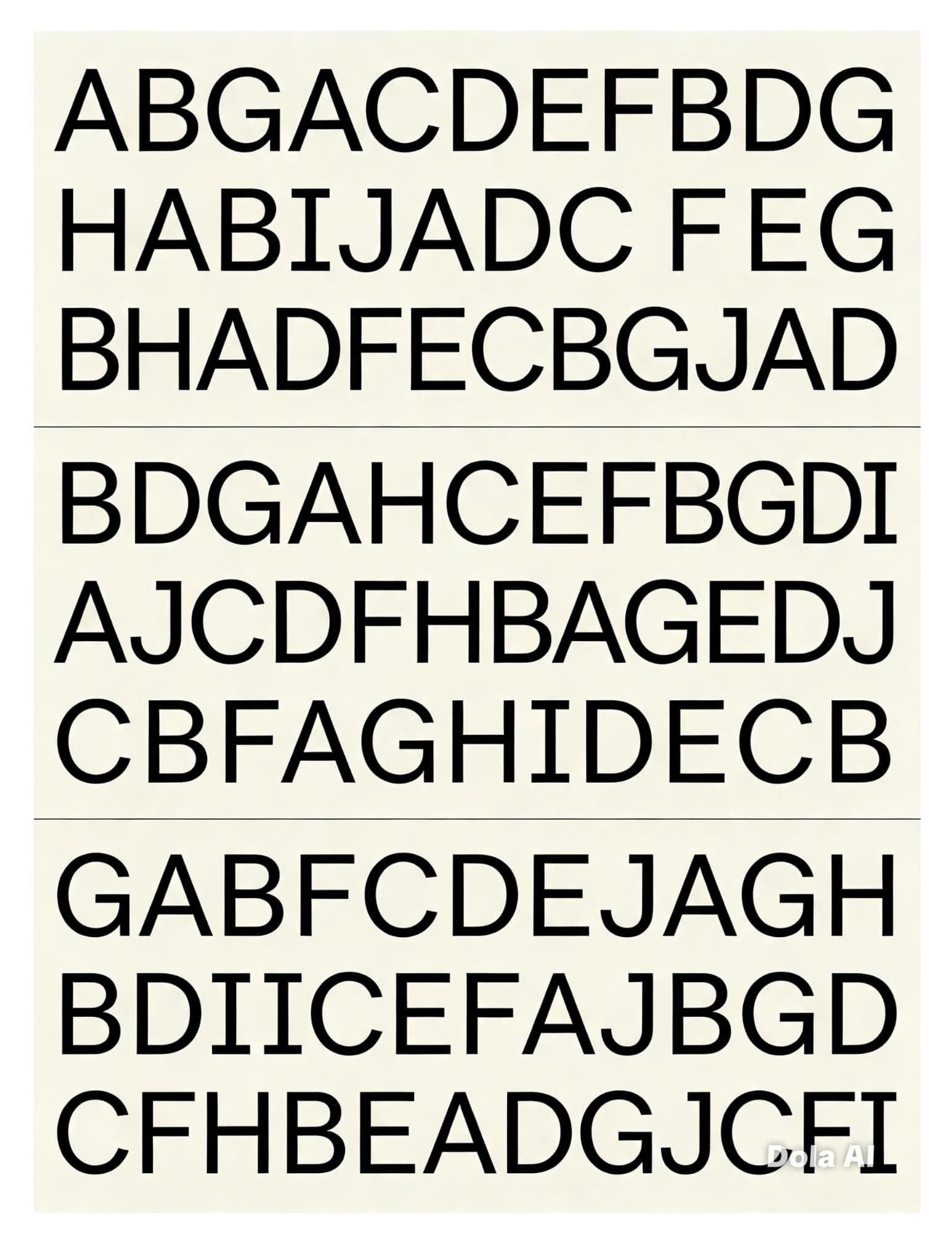
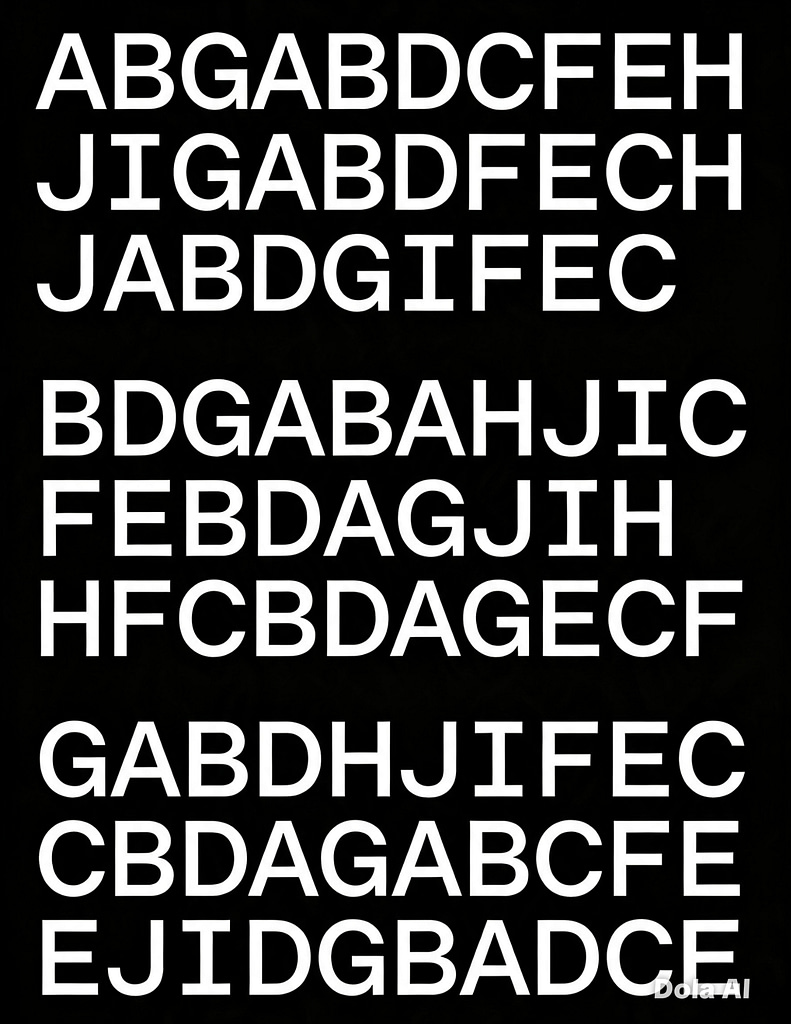
The attention test in question consists of three sections. Each section contains 40 letters. Participants are expected to select and mark the target letters (A, B, D, and G) among these letters. Featuring a total of 120 letters, this test aims to measure the individual’s visual scanning and selective attention skills.
Age Range and Time Management
The test is administered to children and young adults between the ages of 10 and 20. The administration time varies according to the individual’s educational level:
- For individuals at the middle school level (ages 10 and above): 3 minutes are allotted for each section. The total test duration is approximately 10 minutes and 30 seconds.
- For individuals at the high school level: 2 minutes are given for each section, and the total test is completed in 6 minutes.
These time differences have been determined by taking into account the increased cognitive speed and attention capacity that come with age.
Administration Instructions
To ensure valid and reliable test results, the instructions must be conveyed to the participant completely and clearly. The administrator should give the following instructions to the participant:
- The participant is asked to circle or cross out the letters A, B, D, and G in each line using a pencil.
- Important note: The participant must mark all four specified letters sequentially, not just a single letter (e.g., only the letter A). This is critical for assessing selective attention and the ability to respond to multiple stimuli, which the test aims to measure.
Scoring and Interpretation
After the test is completed, the scoring phase begins. At this stage, the participant’s correct and incorrect markings are counted. The obtained data are interpreted in terms of two fundamental dimensions of attention: focusing (selective attention) and sustained attention.
The evaluation criteria are as follows:
- Problems with Sustained Attention: If the participant’s number of correct markings is high at the beginning of the test but shows a significant decrease in subsequent sections (toward the end), this indicates a problem with sustained attention. In this case, focusing problems are generally not observed.
- Problems with Focusing: If the participant makes many errors (omissions or incorrect markings) at the beginning of the test and the error rate decreases over time, this indicates that there is a focusing problem at the start, but sustained attention is intact. A high number of errors at the beginning that decrease in later sections suggests that the individual is adapting to the test and is able to regain their focus.
Conclusion
This objective attention test offers the opportunity to evaluate individuals’ attention skills in two fundamental dimensions. With its ease of administration, clear instructions, and time standards adapted to age groups, it is a frequently preferred tool in clinical and educational settings. Test results are not only useful in diagnostic processes such as attention deficit and hyperactivity disorder but also provide guidance in identifying individual learning profiles.
With proper administration and careful evaluation, this test provides valuable clinical information about an individual’s attention performance.
This article is compiled from Psychotherapist Mehmet Ulubey’s oral presentation on the attention test.
attention test, objective assessment, selective attention, sustained attention, cognitive evaluation, psychometric testing, clinical psychology, educational psychology, test scoring