

Question 1: What is the purpose of seal whiskers?
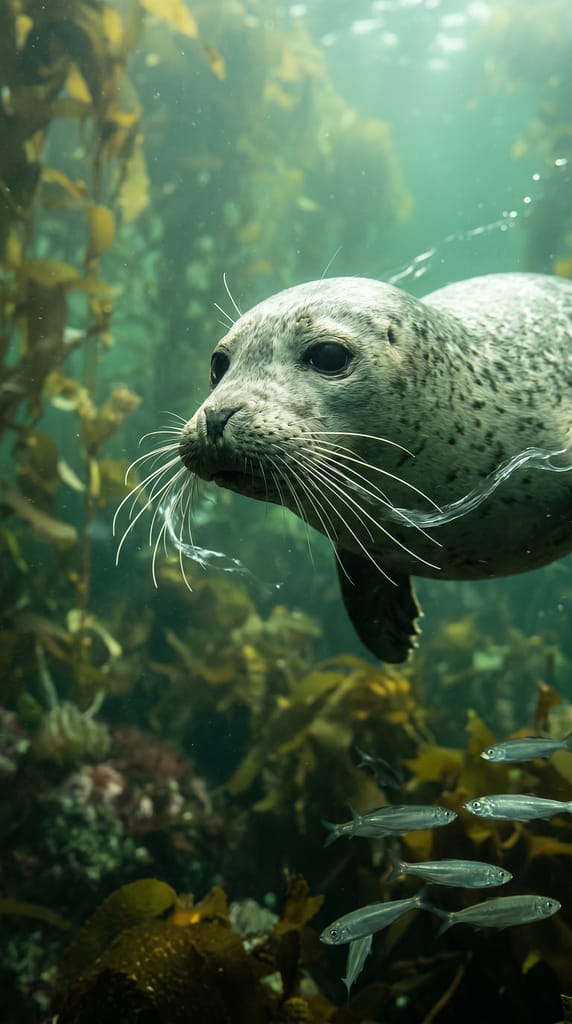
Many animals, like seals, have whiskers made of keratin, a type of protein, just like our hair and nails. By studying the structure of these animals’ whiskers, we can learn how much nutrition and environmental conditions affect their bodies. Researchers who conducted a study on seals living in Antarctica also took advantage of this feature of whiskers. They cut small pieces from the seals’ whiskers and examined the protein structure! In this way, they obtained information about the seals’ feeding habits and migration routes.
Question 2: Woven with Spider Silk!
How many spiders do you think wove this fabric you see in the photo?

The fabric you see in the photo is woven from silk produced by exactly one million spiders! This species of spider, which lives in Madagascar, produces a golden-colored and very strong silk. Four years ago, two fabric experts designed a tiny machine that could extract the silk produced by these spiders without harming them. They collected approximately 25 meters of silk from each of the one million spiders. After spinning the silk into yarn, they wove the fabric in the photo. This unique 3.5-meter-long fabric is on display at the American Museum of Natural History.
Question 3: What creature is this?
Super Lobsters:
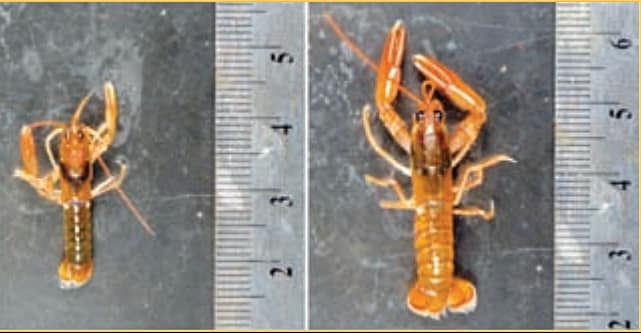
Global warming is causing lobsters to grow larger.
The use of fossil fuels is releasing large amounts of carbon dioxide into the atmosphere. This is causing the oceans to absorb more carbon dioxide from the atmosphere. When the amount of carbon dioxide in the oceans increases, the acidity also increases. This causes the shells of shellfish to be damaged. Lobsters living in the seas are one of these creatures. So, they are expected to be negatively affected by global warming. However, a new study has revealed that the opposite is true for lobsters. When the amount of carbon dioxide in the seawater increases, the shells of lobsters are not damaged; on the contrary, they grow significantly.
Question : What is the world’s hottest pepper?
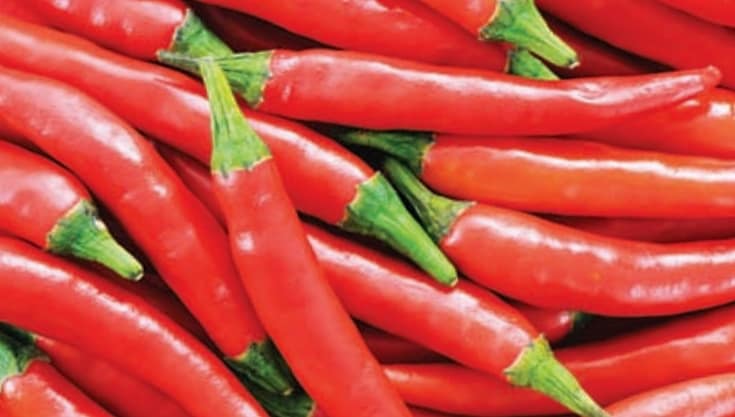
Researchers from Mexico have discovered that the world’s hottest pepper is a variety grown in the Assam region of India.
According to the researchers, these peppers, called “bhut jolokia,” are 400 times hotter than the peppers used in the hot pepper sauces we know and sell in markets! The substance that gives the hot peppers their taste is called “capsycichin.” Capsycichin is found only in peppers. Determining the properties of this substance allows it to be used for different purposes. For example, its use in the production of chemicals that help keep agricultural pests away from crops.