
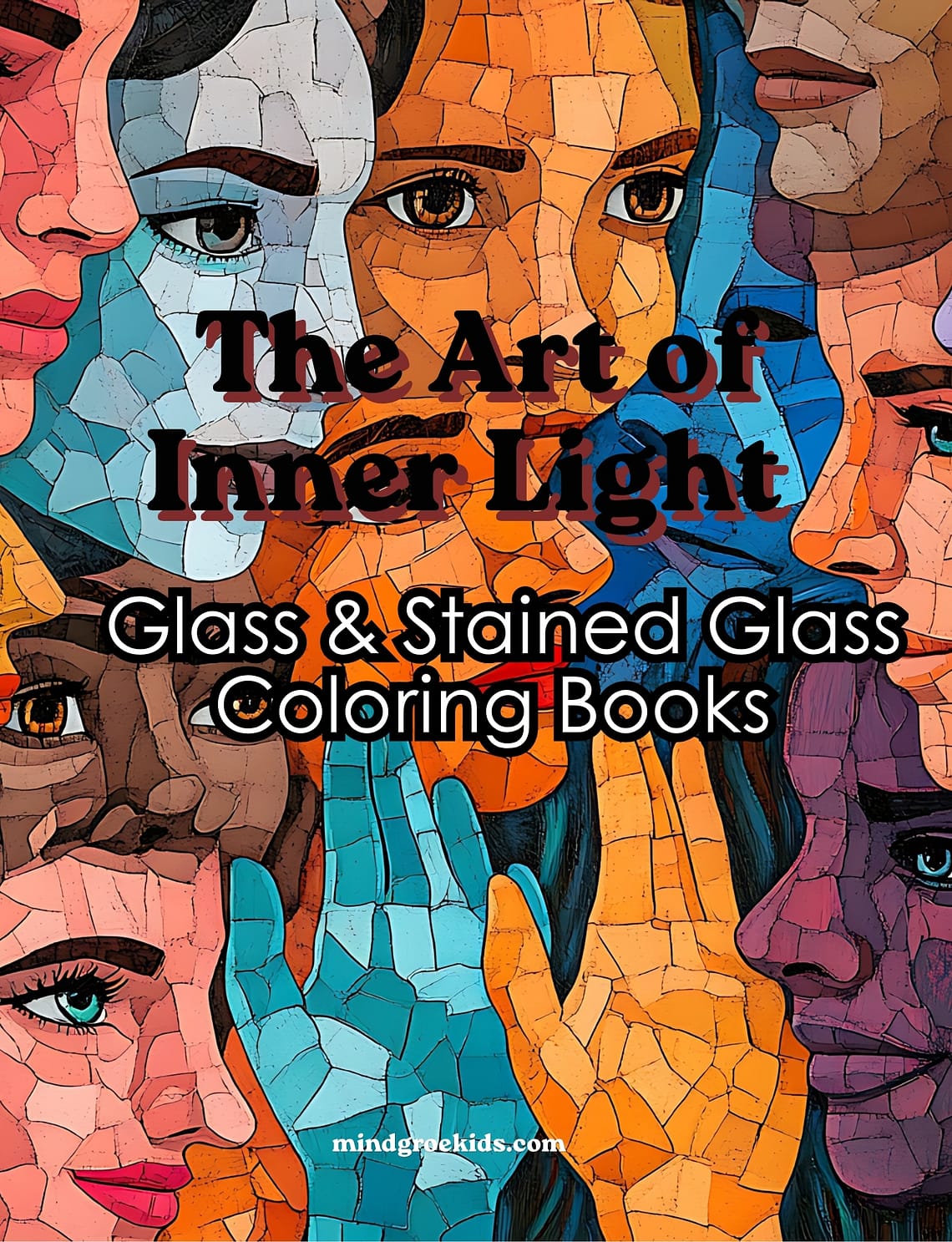
There’s something almost magical about stained glass. For centuries, cathedrals and mosques have used vitray (the Turkish word for stained glass) to tell stories—not with words, but with light. The deep ruby reds, sapphire blues, and golden ambers transform sunlight into a divine painting.
But what if you could capture that same sense of wonder without a kiln, glass cutter, or lead came? Enter the Glass Painting & Stained Glass Coloring Book—a peaceful, accessible way to bring the art of vitray into your home.
Download Glass & Stained Glass Coloring Books
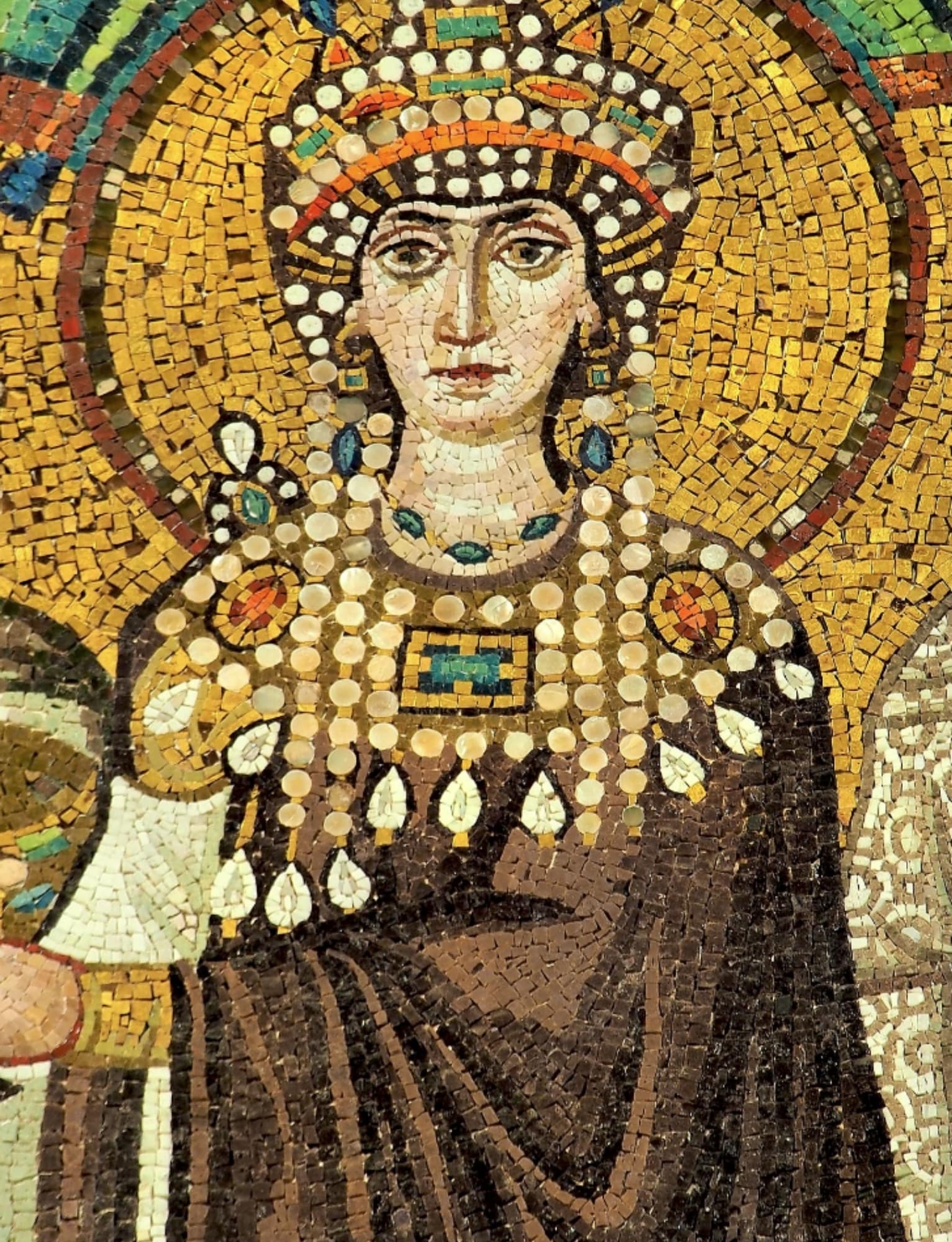
What is a Glass / Vitray Coloring Book?
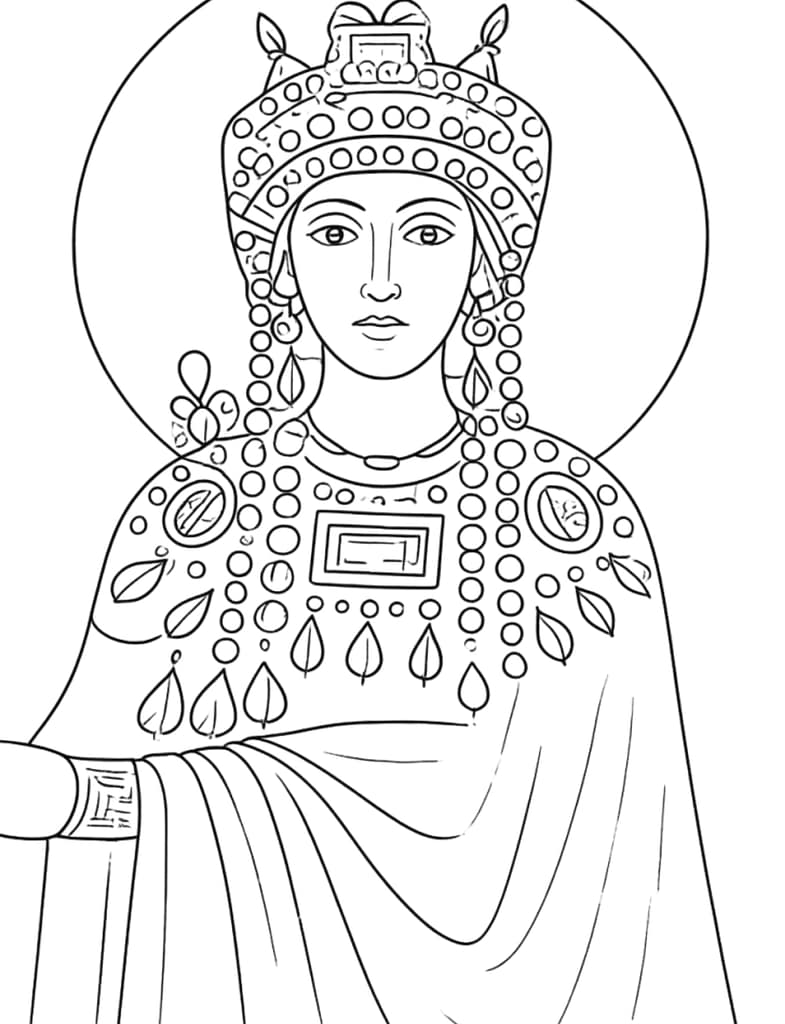
Unlike ordinary coloring books, a glass or vitray coloring book features designs outlined in thick, bold black lines, mimicking the lead lines of real stained glass windows. The spaces between are large, open areas meant to be filled with translucent or bright colors, simulating the effect of light shining through glass.
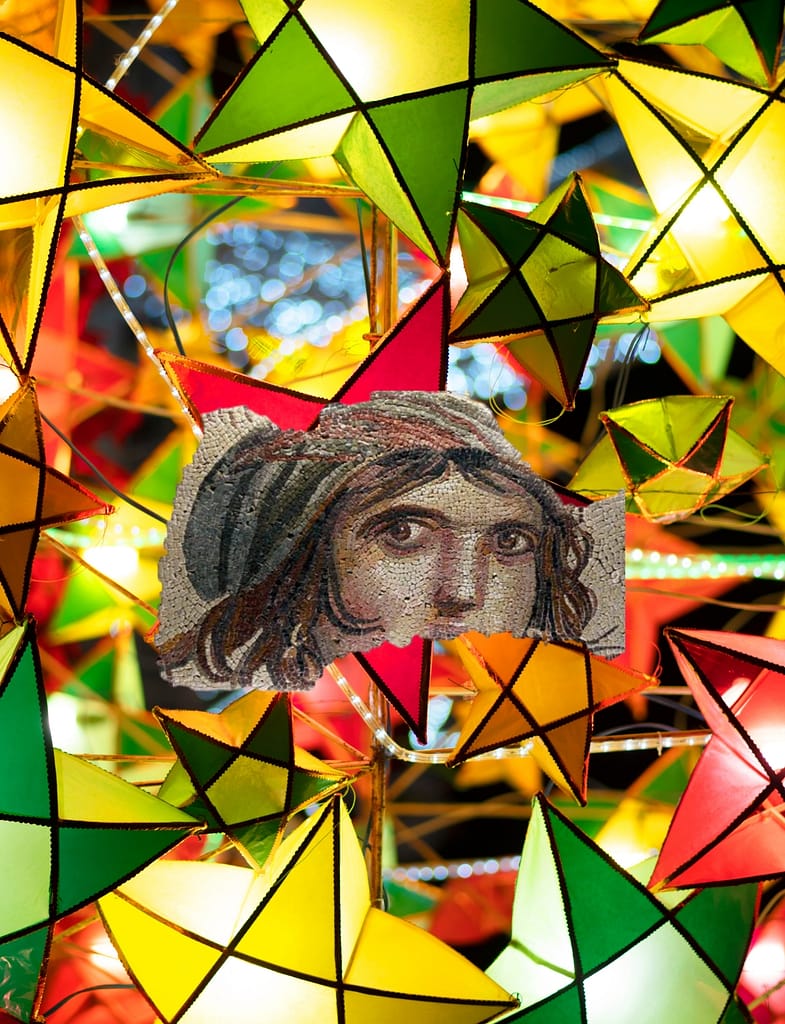
Some editions even come with special translucent paper or allow you to use gel pens and neon markers to create a faux “glowing” effect when held up to a window.
Why Is This Trend So Popular?
Mindfulness with a Twist: Coloring has long been a meditative practice. But stained glass designs demand more intentional color choices—contrast, harmony, and value. You aren’t just relaxing; you’re acting as a light architect.
A Nod to Heritage: Vitray is deeply rooted in Turkish and Islamic art, as well as European Gothic architecture. Coloring these patterns connects you to centuries of craftsmanship.
Instant Gratification: Real stained glass can take weeks or months to complete. A coloring page takes an evening. You get the beauty of a “rose window” without the workshop.
Tips for Coloring Your Vitray Pages Like a Pro
Use Bright, Saturated Colors: Real stained glass looks best in sunlight. Reach for neon yellows, deep purples, and fiery oranges. Pastels tend to look washed out.
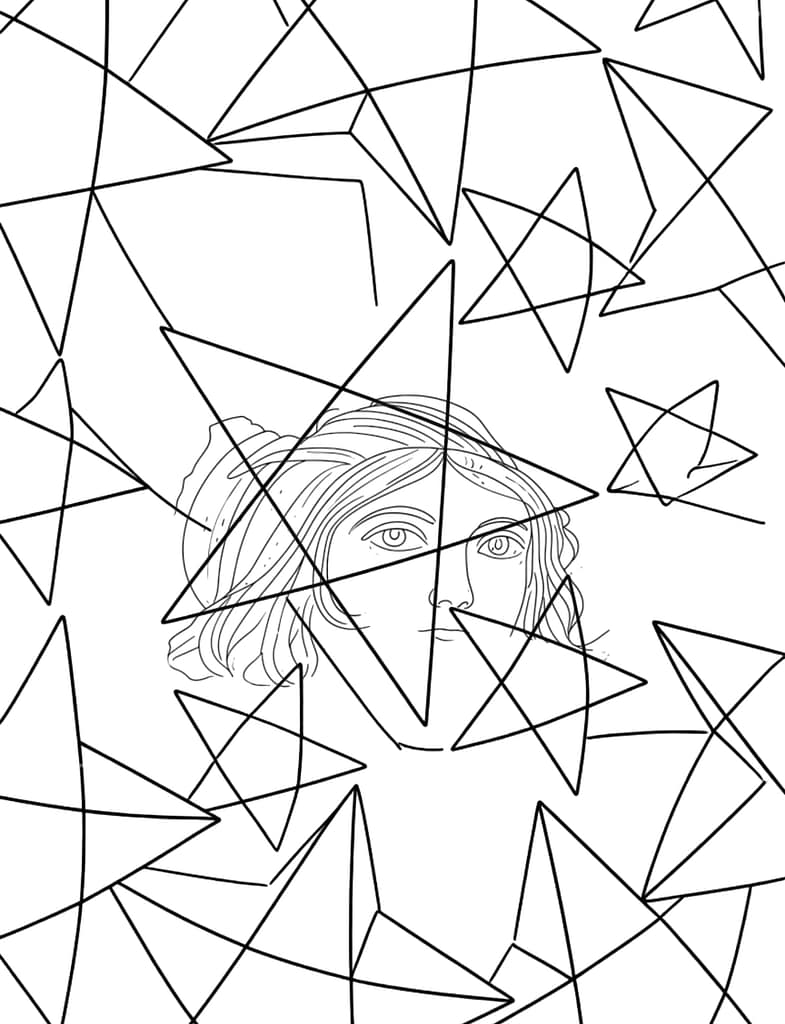
Leave the Black Lines Empty (or Outline in Silver): The black “leaded” lines are part of the aesthetic. Don’t color over them—let them frame your work.
Test on a Lightbox: After finishing a page, place it on a lightbox or against a sunny window. This shows you exactly where you need more pigment to achieve that “glowing” effect.
Layer Similar Hues: In classic vitray, you often see gradients. Try coloring a petal in light blue at the center and dark blue at the edge.
Introducing “Cam Boyama Vitray” – Your New Creative Journey
This is why I created “Cam Boyama Vitray.” It’s more than a coloring book—it’s a personal stained glass studio you can carry anywhere. Inside, you’ll find:
30 original vitray-inspired designs: from geometric Turkish motifs to floral and nature windows.
Single-sided pages to prevent bleed-through (perfect for markers).
Thick, bold outlines designed to mimic authentic lead framing.
Whether you are an art teacher looking for classroom activities, an adult seeking stress relief, or a parent wanting to introduce your child to Islamic/Ottoman art patterns, this book offers a colorful escape.
Final Thoughts
You don’t need a soldering iron or years of apprenticeship to experience the joy of vitray. Sometimes, all it takes is a sheet of paper, a set of vivid markers, and a quiet afternoon. As you color each piece, remember: you aren’t just filling spaces. You’re designing light.
Ready to begin your vitray journey? Pick up your copy of “Cam Boyama Vitray” and let the colors shine.