Understanding the Concept of Giftedness: Perspectives from Parents, Educators, and Society
Article: @Dr.UgurZat
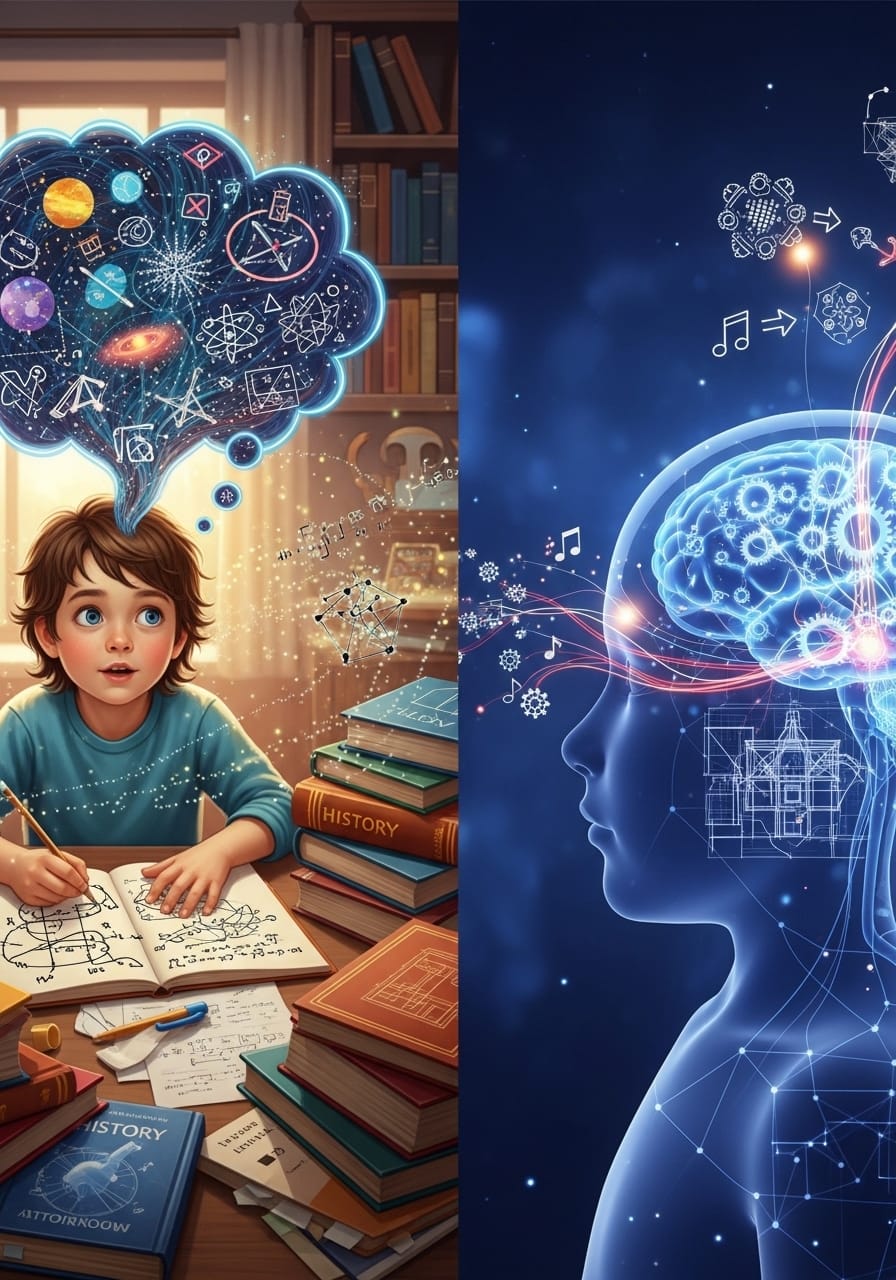
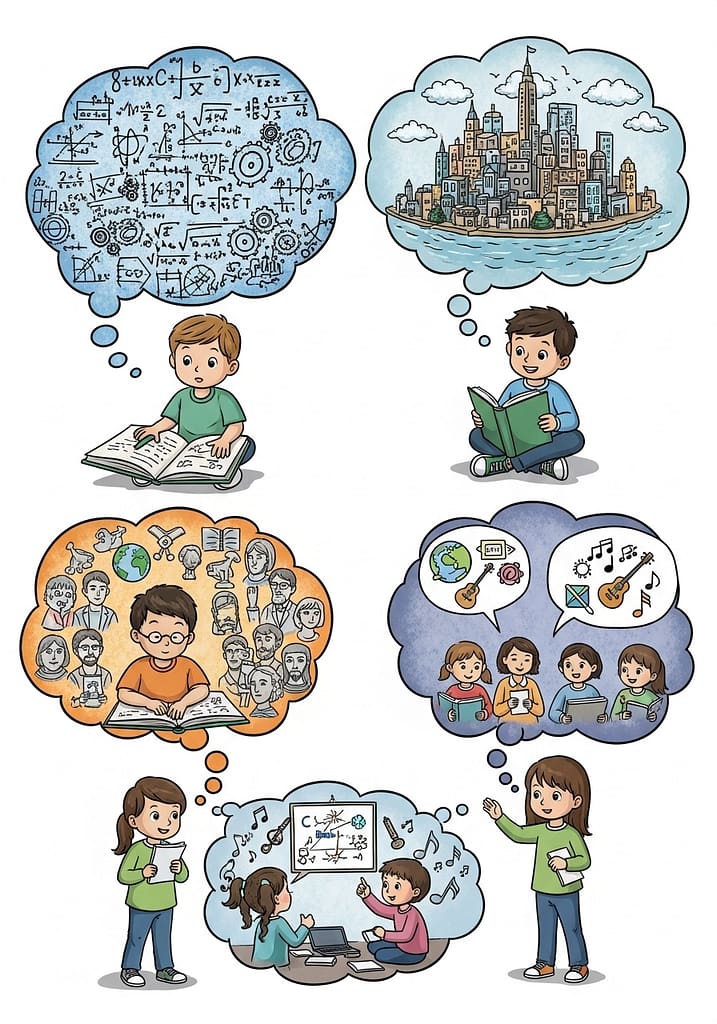
The notion of intelligence has long fascinated both scholars and the general public. When the word gifted is attached to intelligence, it often evokes admiration, expectations, and sometimes misconceptions. At its core, intelligence can be defined as the ability to adapt quickly to changing circumstances. Giftedness, then, refers to children whose cognitive abilities—such as comprehension, synthesis, analytical reasoning, imagination, and communication—are significantly above those of their peers, typically within the top 2–5 percent according to standardized assessments.
Giftedness as Advantage and Disadvantage
While society tends to view giftedness as a privilege, it can also be a disadvantage. Gifted children often require specialized support, yet their needs are not always recognized because they do not display obvious disabilities. This paradox makes them “the most disadvantaged among the disadvantaged.” Their heightened sensitivity, intense emotions, and unique ways of perceiving the world demand careful guidance from parents, teachers, and communities.
Parental Perspectives
Mothers are often the first to notice signs of giftedness. From infancy, they may observe unusual alertness, advanced language play, or early use of abstract concepts. Fathers, on the other hand, tend to recognize giftedness through challenges—such as heightened sensitivities, emotional intensity, or social difficulties. This difference in perception reflects broader cultural dynamics, where mothers are more attuned to subtle developmental cues, while fathers may interpret behaviors as problematic rather than exceptional.
Emotional and Intellectual Sensitivities
Gifted children frequently exhibit what psychologist Kazimierz Dabrowski termed “overexcitabilities.” These include emotional intensity, intellectual curiosity, and sensory sensitivity. For example, a child may worry about the safety of others during play, question existential matters at a very young age, or become distressed by minor sensory discomforts. Such traits are often misunderstood as immaturity or misbehavior, when in fact they are manifestations of advanced cognitive and emotional development.
The Role of Educators
Teachers play a crucial role in identifying and supporting gifted students. However, most teacher training programs devote minimal time to gifted education, often just a single course covering all special needs. As a result, many educators fail to recognize giftedness, mistaking curiosity and restlessness for hyperactivity or defiance. Effective teachers, however, can discern giftedness through students’ probing questions, creative associations, and rapid learning pace. Unfortunately, rigid educational systems often suppress these qualities rather than nurture them.
Social Challenges
Gifted children frequently struggle with peer relationships. Their reluctance to engage in competitive or aggressive activities, such as sports, may lead to exclusion or bullying. They may feel alienated, describing themselves as “different” or even “alien.” Without proper support, these children risk developing social and emotional difficulties that persist into adulthood.
A Collective Responsibility
Giftedness is not limited to childhood; many adults and even elderly individuals remain unidentified. Recognizing and supporting gifted individuals is therefore a societal responsibility. Rather than judging differences, communities should ask: What potential lies here, and how can it be nurtured? By fostering environments that value curiosity, sensitivity, and creativity, society can transform giftedness from a misunderstood burden into a collective asset.
Conclusion
Giftedness is a complex phenomenon that requires nuanced understanding. Parents, educators, and society at large must move beyond stereotypes and recognize both the strengths and vulnerabilities of gifted individuals. Supporting them is not merely an educational task but a moral and social responsibility—one that ensures their talents contribute meaningfully to the world.
Keyword:
Giftedness, Cognitive development, Emotional intensity, Dabrowski’s overexcitabilities, Parental perspectives on gifted children, Teacher training and gifted education, Social challenges of gifted students, Early childhood indicators of giftedness, Intellectual curiosity in children, Sensory sensitivity and giftedness, Educational systems and gifted learners, Support for gifted individuals, Existential questioning in childhood, Special education paradigms, Societal responsibility in nurturing talent