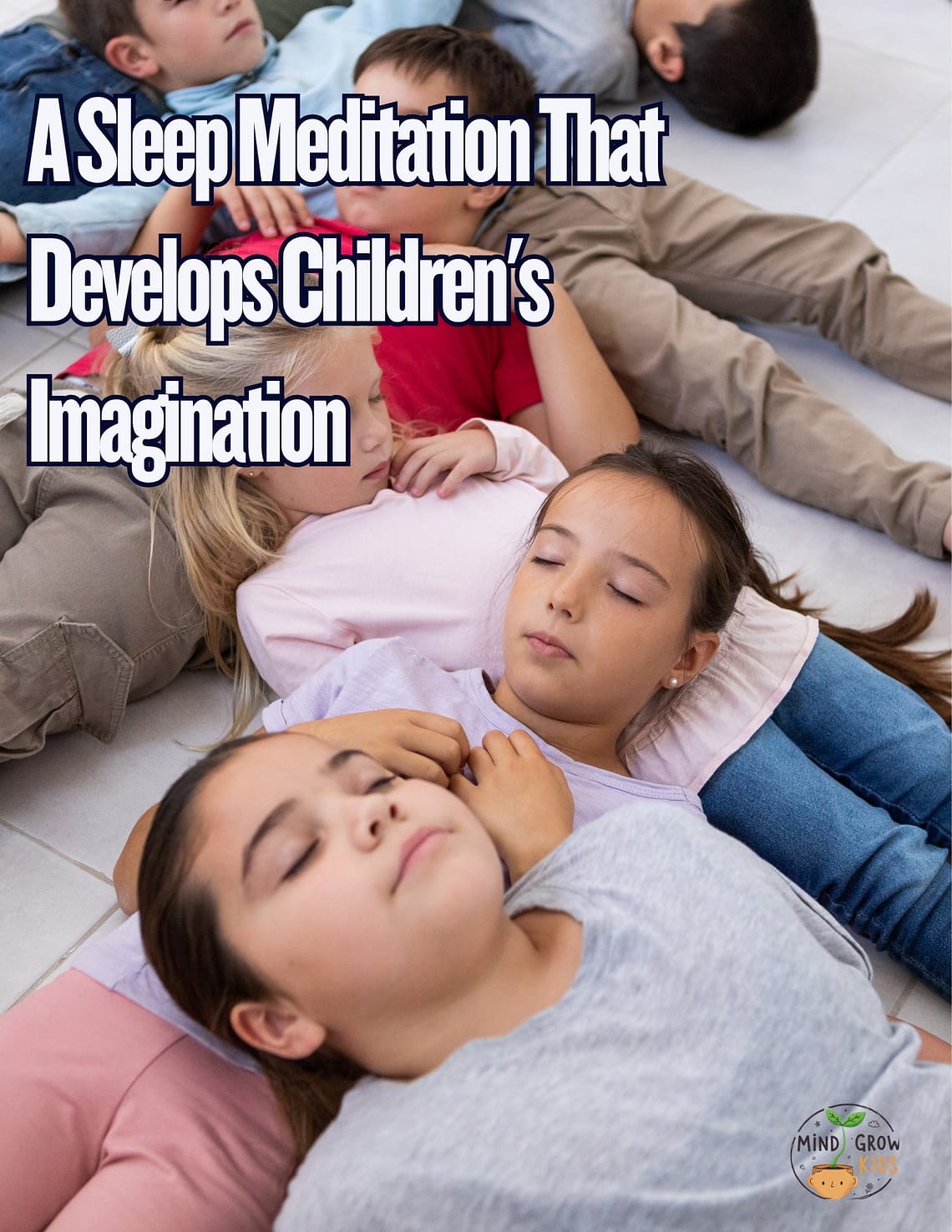
Occupational Therapist Feyza Gürel
Falling a sleep can sometimes be a challenging process, especially for children. The stimulation from the day’s events, a still-active mind, or a body not yet physically ready to rest can all stand in the way of a smooth transition to sleep. This is where a guided sleep meditation becomes a powerful tool—helping to prepare both the mind and the body for rest. What follows is a meditation guided by an occupational therapist, one that uses imagination and visualization techniques to invite children into a peaceful night’s sleep.
A Safe Beginning: “This Place Is Safe”
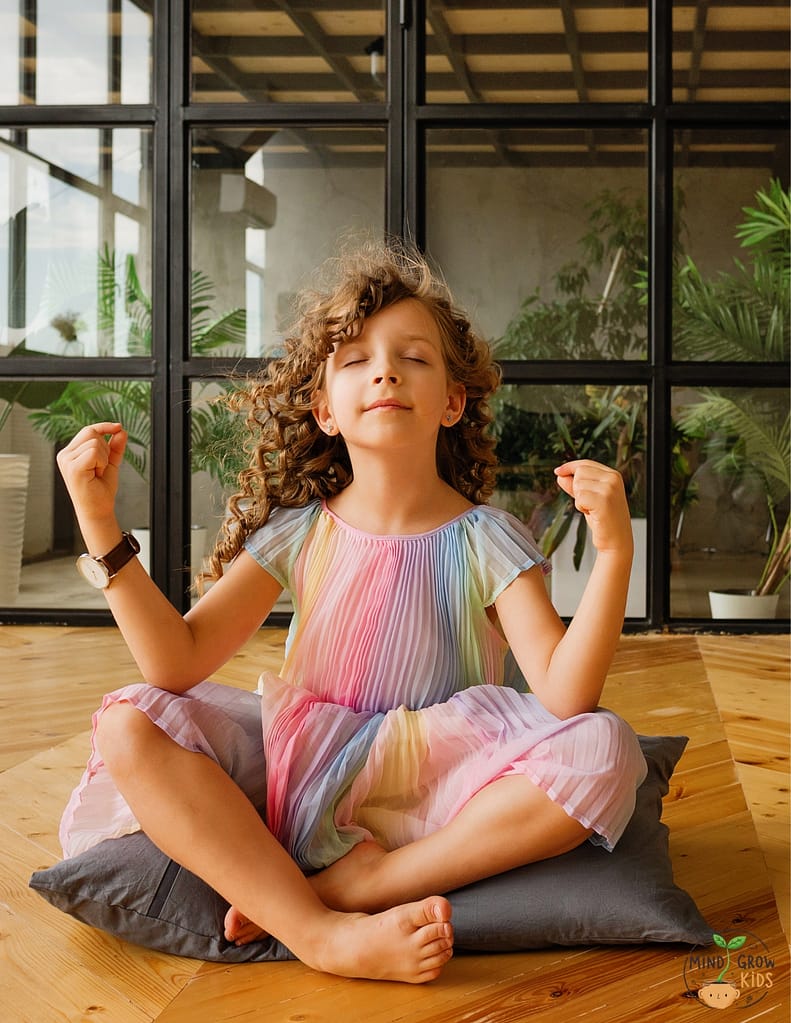
The meditation starts with the child already in bed. Any feelings of restlessness or difficulty falling asleep are normalized, not judged. The scene is set by describing a world where the day is ending—lights are dimming, sounds are fading away. The child is guided to notice the lightness in their body as they lie down, the support of the pillow beneath their head, and the gentle embrace of the blanket. A deep breath in and a slow breath out are encouraged. The present moment, right here and now, is emphasized as a safe place. This first step gently shifts the child’s attention from the outside world to their inner experience, signaling the beginning of relaxation.
The Start of a Magical Journey: The Dream Train
With eyes closed, the child is invited to imagine walking along a quiet, smooth path. The ground feels soft beneath their feet, and with each step, their body relaxes a little more. The night around them is not frightening—it is calm, inviting, and restful. Every step brings them closer to sleep and greater peace. Their breathing naturally deepens as they move forward.
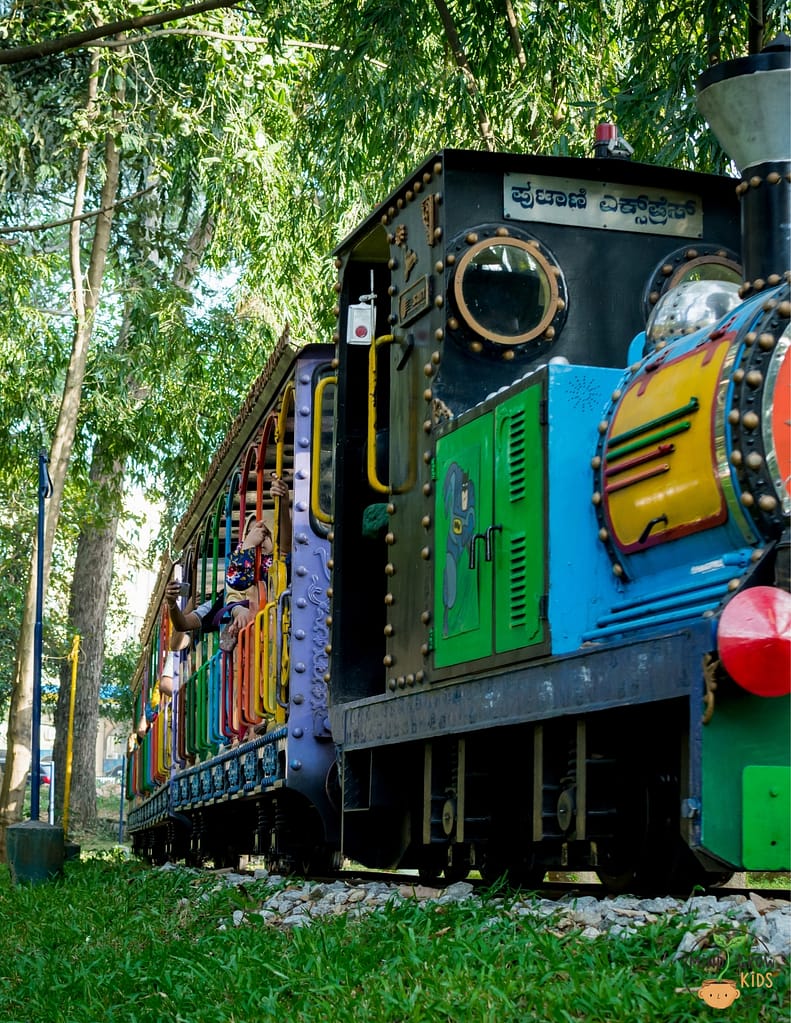
At the end of the path, a small station appears. It is quiet, without any rush or noise. The sky is a deep blue, and the stars shine brightly. In the distance, a light begins to emerge—a train approaching silently. This is the Dream Train. It has a special quality: it only comes at night, and only children who are ready to sleep can see it.
Carriage by Carriage: Safety and Calm
Stepping onto the train, the child feels warmth and tranquility. Taking off their shoes reinforces the act of physical relaxation. They choose a seat that feels right, place their hands on their knees, and lean back. As the train moves, there is no fear of falling or getting lost—the train carries them safely. This journey unfolds through a series of carriages, each one symbolizing a different stage of relaxation:
- The Calm Carriage: In this carriage, thoughts slow down, sounds fade, and the breath begins to regulate itself naturally. The chest softens and the belly relaxes. Looking out the window, the stars drift by slowly, mirroring the unhurried passage of time.
- The Safety Carriage: The walls of this carriage glow with shimmering light. The child feels as though they are being gently held or embraced. Loneliness disappears, the heartbeat steadies, and the shoulders loosen. This is a space where emotional security is deeply reinforced.
- The Imagination Carriage: Colors are vivid here, but even the dreams themselves have begun to slow. Eyelids grow heavy. At this stage, there is no need for effort—just the simple act of feeling is enough. The child is being carried gently toward sleep.
- The Releasing Carriage: Perhaps the most meaningful stop on the journey. In this carriage, all the accumulated tiredness, small sorrows, and excess thoughts from the day transform into tiny lights. The child watches these lights drift slowly out of the carriage. With each light that fades, they feel lighter, more at ease. This is a process of mental and emotional release, an inner clearing before rest.
Drifting into Sleep and a Gentle Farewell
Looking out the window now, the stars appear blurry; the eyelids have grown so heavy that keeping them open feels like a strain. Permission is given to close them fully. As the Dream Train moves forward, the child begins to fall asleep. Simple, reassuring phrases like “I am sleeping, I am safe” settle into the mind. Breathing in and out, accompanied by the secure and silent motion of the train, provides the final nudge toward deep rest.
The meditation closes with the feeling that the train is protecting and resting the child. While the Dream Train continues its journey, the child has already drifted into their own dreams. A gentle “Good night, little friend, sweet dreams” brings this peaceful guided journey to a close.
Conclusion
This guided meditation does more than simply offer a method for falling asleep. It nurtures a child’s imagination, their ability to recognize their feelings, and their capacity to let go of tension. By combining techniques such as creating a safe inner space, visualization, and breath awareness, it transforms the bedtime routine into a meaningful and transformative experience. This approach helps children connect with their own inner resources and lays the groundwork for healthy sleep habits that can last a lifetime.